How to Reduce Body Fat Percentage
 Reading Time: 12 minutes
 Learning how to reduce body fat has never been more crucial, with global rates of overweight and obesity reaching record highs in recent years.
According to the World Health Organization (WHO), more than 2.5 billion adults worldwide were overweight in 2022, and nearly 900 million of them were living with obesity (WHO, 2025).
Alarmingly, the number of overweight adolescents has quadrupled since 1990, and childhood obesity continues to climb even in low- and middle-income countries.
Excess body fat is more than just a cosmetic issue; it directly drives up the risk of type 2 diabetes, heart disease, certain cancers, and countless other non-communicable diseases that can shorten lifespan and reduce quality of life.
Despite the massive global burden, effective strategies exist to help individuals take control of their body composition through balanced nutrition, consistent physical activity, and sustainable lifestyle changes.
Today, many people feel trapped by misinformation and quick-fix solutions that fail to address the real causes of high body fat.
By focusing on science-backed methods, including healthy calorie management, proper sleep, strength training, and supportive environments, anyone can take meaningful steps to safely reduce body fat and build a healthier future.
Understanding how to reduce body fat is the first step toward reversing these rising trends and reclaiming better health for life.
Understanding Body Fat and Its Implications
Before you can effectively reduce body fat, it’s essential to understand what body fat actually is and why it matters for your health and longevity.
Body fat is not just extra weight; it serves important physiological roles, such as protecting organs, regulating hormones, and storing energy.
However, when body fat levels rise too high, the balance shifts from beneficial to harmful, increasing the risk of metabolic disorders, cardiovascular diseases, joint problems, and other chronic conditions.
Knowing your body fat percentage and how it impacts your health is the foundation for making informed choices to reach a sustainable, healthy body composition.
What is Body Fat Percentage?
Body fat percentage is the proportion of your total body weight that is made up of fat tissue compared to everything else, such as muscle, bone, organs, and water.
Unlike simple weight or BMI, this measurement gives a clearer picture of your body composition and overall health status.
A healthy body fat percentage varies by age, sex, and activity level.
However, generally, lower percentages within a safe range are associated with better metabolic health, improved performance, and a lower disease risk (Heymsfield et al., 2015).
Knowing your body fat percentage helps you set realistic goals and track progress more accurately than just using a scale.
| Categories | Men (%) | Women (%) |
| Essential Fat | 2-5% | 10-13% |
| Athletes | 6-13% | 14-20% |
| Fit | 14-17% | 21-24% |
| Acceptable | 18-24% | 25-31% |
| Obese | 25% | 32%+ |
Health Risks of High Body Fat
Excess body fat is linked to multiple health problems, including:
- Cardiovascular disease: Higher risk of heart attacks, high blood pressure, and strokes.
- Type 2 diabetes: Greater chance of insulin resistance and poor blood sugar control.
- Joint problems: Extra weight places stress on joints, increasing the risk of arthritis and chronic pain.
Benefits of Achieving a Low Body Fat Percentage
Lowering body fat can deliver significant health and lifestyle benefits, such as:
- Better metabolic health: Improved blood sugar and cholesterol management.
- Increased energy: Enhanced daily vitality and stamina.
- Improved physique: Leaner appearance and greater muscle definition.
- Faster recovery: Reduced inflammation and quicker recovery after exercise.
The Difference Between Losing Weight and Reducing Body Fat
Many people assume losing weight and reducing body fat mean the same thing, but they’re not identical goals.
Weight loss simply refers to lowering the number on the scale, which can include water, muscle, and fat.
In contrast, reducing body fat focuses specifically on decreasing fat tissue while preserving lean muscle mass.
This distinction is important because losing too much muscle can slow your metabolism, lower strength, and make it harder to keep the fat off long term.
The most effective fat-loss strategies combine a calorie deficit with strength training and enough protein to protect muscle.
This way, you don’t just become lighter, you become leaner, healthier, and stronger overall.
Why Is Reducing Body Fat Difficult?
Reducing body fat is challenging for many reasons that go beyond just eating less and moving more.
One major obstacle is the body’s natural metabolic adaptations to weight loss.
As you lose fat, your metabolism tends to slow down to conserve energy, making it harder to maintain the same rate of fat loss (Rosenbaum & Leibel, 2010).
Another challenge is weight rebound, which happens when old habits return or extreme diets become impossible to maintain.
This “yo-yo” effect can leave people stuck in cycles of losing and regaining fat, often gaining back even more than they lost.
Psychological barriers play a big role too.
Unrealistic expectations, perfectionism, and misinformation about “quick fixes” often lead to frustration and burnout.
When weight loss feels restrictive or punishing, motivation fades, and it’s easy to give up entirely.
For sustainable fat loss, it’s crucial to combine balanced nutrition, realistic goals, enjoyable movement, and healthy mindsets that keep you engaged for the long run.
Keys to Reducing Body Fat Percentage Naturally
While countless supplements and shortcuts promise quick fat loss, sustainable results come from natural, research-backed healthy habits for weight loss.
Focusing on healthy nutrition, smart exercise, and lifestyle improvements helps you lower body fat without risking your health or relying on drastic measures.
The goal is to create a balanced plan that fits your daily life, supports your metabolism, preserves muscle, and helps you keep unwanted pounds off for good.
Setting Realistic Goals
Reducing body fat in a healthy way starts with setting clear, realistic goals that match your current body composition and lifestyle.
Many people struggle with fat loss because they aim for extreme results too quickly, only to become discouraged when they hit a plateau or rebound.
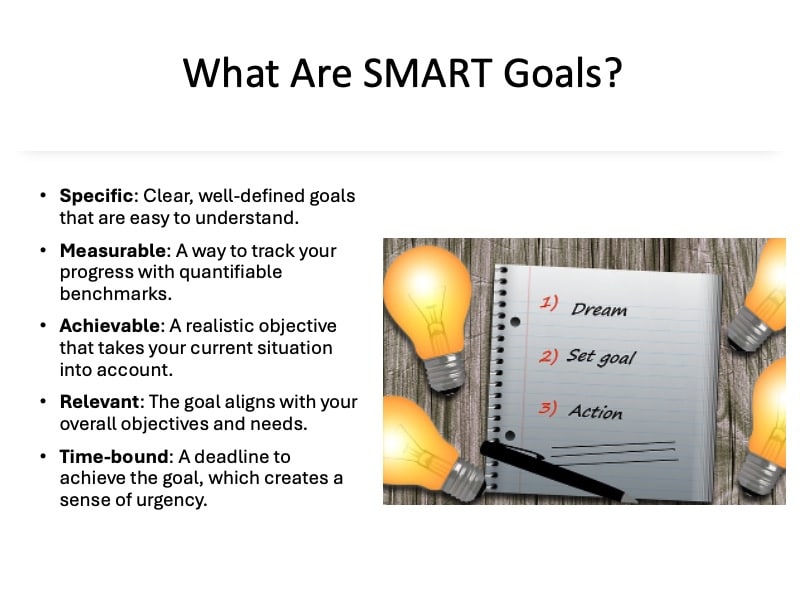
Setting SMART Goals (specific, measurable, achievable, relevant, time-bound) is an evidence-based strategy for goal setting.
Assess Your Starting Point
Before you decide how much fat you want to lose, it’s important to know where you stand.
Tools like BMI calculators, body fat calipers, or DEXA scans can help you estimate your current body fat percentage more accurately than a scale alone.
Knowing your starting point helps you set a realistic goal and choose the right timeframe for achieving it.
Understanding Timeframes
Fat loss takes time and patience.
A good rule of thumb is to aim for losing 0.5%–1% of body fat per week, which research supports as a sustainable pace that minimizes muscle loss.
For example:
| Starting Body Fat | Target Body Fat | Approximate Timeframe |
|---|---|---|
| 30% | 15% | 12–16 weeks |
| 25% | 15% | 10–12 weeks |
| 20% | 15% | 6–8 weeks |
Trying to lose fat faster than this can lead to burnout, muscle loss, and rebound weight gain.
If you’re unsure, consult a qualified trainer or dietitian to create a plan that’s safe and realistic.
Nutrition Strategies for Reducing Body Fat
What you eat has the biggest impact on body fat.
Fad diets come and go, but proven nutrition fundamentals remain the most effective way to naturally lower body fat and maintain results.
Create a Sustainable Caloric Deficit
The basic principle behind fat loss is caloric deficit, which means burning more calories than you consume.
Start by calculating your TDEE (Total Daily Energy Expenditure) using an online calculator, then aim to reduce daily intake by about 10–20% to lose fat steadily without harming your metabolism.

[Source: TDEE Calculator]
Prioritize Protein Intake
A high-protein diet helps preserve lean muscle while your body sheds fat.
Protein also keeps you fuller for longer, making it easier to stick to your calorie goals.
Here’s a quick guide to protein-rich foods (per 100g):
- Chicken breast: 31g protein
- Greek yogurt: 10g protein
- Eggs (1 large): 6g protein
- Lentils: 9g protein
- Salmon: 20g protein
Combining quality protein with vegetables and whole grains is more effective than cutting calories alone.
| Food (100g) | Calories | Protein (g) |
| Chicken breast | 165 | 31 |
| Greek Yogurt | 59 | 10 |
| Eggs (1 large) | 70 | 6 |
| Lentils | 116 | 9 |
| Salmon | 208 | 20 |
Reduce Refined Carbohydrates (Not All Carbs)
Cutting back on refined carbs, such as white bread, sugary snacks, and sweetened drinks, can help burn fat more effectively.
However, carbs are still important for energy, especially if you train hard, so focus on whole-food sources, such as oats, quinoa, sweet potatoes, and fruit.
Incorporating Metabolism-Boosting Spices
Certain spices can give your metabolism a mild boost.
Cinnamon, chili peppers, and ginger have shown potential to act as natural fat burners by slightly increasing calorie burn and helping to manage cravings (Zheng et al., 2017).
Adding these to meals can support your fat loss plan while keeping your food enjoyable.
Supplements for Weight Loss
Supplements can play a small, supportive role in a fat loss plan, but they’re never a magic solution.
The foundation for reducing body fat is a healthy diet, a caloric deficit, strength training, and smart lifestyle habits; supplements only help fill the gaps when used wisely.
A few ingredients have mild scientific support for fat loss.
For example, L-carnitine may help transport fatty acids for energy, green tea extract contains catechins that can slightly boost metabolism, and CLA (conjugated linoleic acid) has been studied for its potential to reduce body fat when combined with exercise and a calorie-controlled diet.
Personally, I like RSP AminoLean, a supplement that blends these ingredients with natural caffeine and amino acids.
When used alongside proper nutrition and training, it can provide a gentle energy boost, curb cravings, and help preserve muscle mass while targeting fat.
However, always remember: no supplement replaces hard work or healthy habits.
Before adding any fat-loss supplement to your routine, talk to a qualified health professional to make sure it’s safe for your individual needs.
Exercise for Accelerating Fat Loss
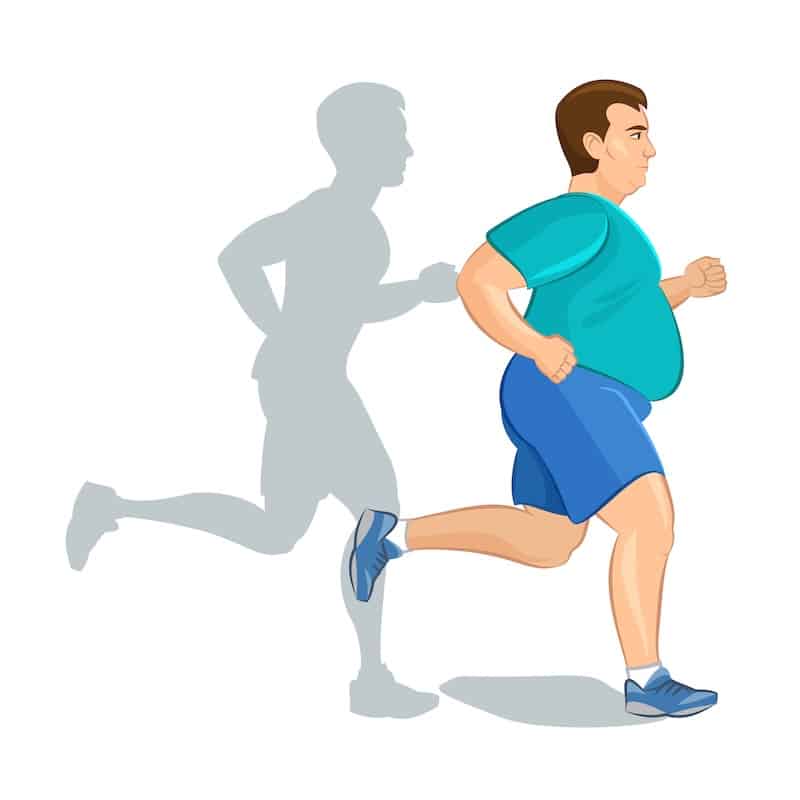
No fat-loss plan works well without movement.
While nutrition determines how much body fat you lose, exercise decides how much muscle you keep and how healthy your metabolism stays.
Consistent training helps you burn extra calories, build lean muscle, and maintain the results you work so hard to achieve.
Strength Training
Building muscle through resistance training, such as lifting weights, resistance band exercises, or performing bodyweight exercises, is crucial for achieving sustainable fat loss.
Unlike cardio alone, strength training increases muscle mass, which in turn raises your basal metabolic rate (BMR), meaning you burn more calories even while at rest.
Aim for two to four sessions per week, focusing on major muscle groups, for optimal results.
High-Intensity Interval Training (HIIT)
High-Intensity Interval Training (HIIT) combines short bursts of high-intensity exercise with brief recovery periods.
This style of training not only burns a significant number of calories in a short time but also triggers an afterburn effect known as excess post-exercise oxygen consumption (EPOC), where your body continues to burn calories at a higher rate for hours after you finish.
Just two or three HIIT sessions per week can complement strength training and accelerate fat loss.
Low-Intensity Cardio
Low-intensity steady-state cardio (LISS) is a valuable tool for reducing body fat, especially when combined with strength training and HIIT.
Cardio exercises, such as brisk walking, light jogging, cycling, or swimming at a steady and comfortable pace, help burn additional calories without overly straining the body.
LISS is easier to recover from than intense training and can be done more frequently, making it perfect for active recovery days.
It also supports heart health, improves circulation, and helps maintain a daily calorie deficit in a sustainable, joint-friendly way.
Even 30–60 minutes of low-intensity cardio a few times a week can make a big difference in your fat-loss results over time.
Daily Activity Counts (NEAT)
Beyond formal workouts, your Non-Exercise Activity Thermogenesis (NEAT) plays a big role in total daily calorie burn.
NEAT includes all the calories you burn through everyday movement, such as walking the dog, gardening, cleaning the house, or choosing the stairs instead of the elevator.
Staying consciously active throughout the day can make a significant difference when your goal is to naturally reduce body fat and maintain it.
Lifestyle Modifications
Adjusting daily habits is one of the most overlooked yet powerful ways to reduce body fat naturally and keep it off long term.
Small, sustainable changes add up to major results when combined with smart nutrition and exercise.
| Factor | Benefit |
| Enough Sleep | Regulates hormones and supports metabolism |
| Stress management | Lower cortisol |
| Hydration | Improve metabolism and appetite control |
- Sleep: Getting enough sleep (approximately 7–9 hours per night) is crucial for regulating hormones such as ghrelin and leptin, which control hunger and fullness, while also helping to maintain cortisol levels in check to prevent the storage of belly fat (Spiegel et al., 2004).
- Stress Management: Practicing simple habits like deep breathing, journaling, prayer, or taking nature walks helps lower cortisol levels, which can otherwise encourage fat accumulation, particularly around the midsection.
- Hydration: Staying well hydrated (aim for at least 2–3 liters daily) can boost metabolism slightly and help distinguish between thirst and hunger.
Complementary tools such as red light therapy or coolsculpting for weight loss may help reduce fat cell size, improve circulation, and support muscle recovery when paired with proper nutrition and exercise.
Tracking Progress and Staying Motivated
Keeping track of your progress is one of the best ways to stay motivated and see how far you’ve come on your fat-loss journey.
It also helps you adjust your plan if needed and celebrate real results, rather than just relying on the scale.
- Use monitoring tools: Try body measurements, progress photos, or smart scales that estimate body fat percentage to get a fuller picture than weight alone.
- Celebrate milestones: Break your goal into small steps and reward yourself when you hit them. Fitness rewards such as new workout clothes or a healthy meal out can reinforce good habits.
- Lean on community: Sharing your journey with supportive friends, family, or an online group can help you stay consistent and feel accountable.
Just remember not to obsess over numbers daily.
Aim for balance by tracking consistently but focusing on healthy habits and small wins that add up over time.
Final Thoughts: Getting Low Body Fat
Lowering body fat isn’t about quick fixes or punishing routines; it’s about building a realistic plan that works with your lifestyle.
There are numerous ways to modify your daily habits, workouts, and nutrition to safely and sustainably reduce body fat.
This guide covers core principles, including creating a calorie deficit, protecting muscle with strength training, staying active, sleeping well, managing stress, and supporting your body with smart choices such as hydration and balanced supplements.
Staying patient, tracking progress wisely, and celebrating small wins all help keep you motivated on days when it feels tough.
When you stick to proven, research-backed habits instead of chasing shortcuts, you give yourself the best chance to achieve and maintain a healthy body fat percentage for the long term.
Frequently Asked Questions About How to Reducing Body Fat
This website does not provide medical advice. This website site does contain affiliate links, and purchases may earn a commission.
Read my Medical Disclaimer, Review Disclaimer, and Publishing Policies for more details. Use of this site indicates acceptance of these terms.