Supplements: Evidence-Based Guides for Health & Performance
Supplements can be useful for improving athletic performance, correcting nutritional deficiencies, making nutrition more convenient, and supporting specific health or recovery goals.
However, supplements work best when they solve a specific problem rather than being used simply because a product promises better health, faster recovery, or improved performance.
Throughout more than a decade of professional basketball, I have experimented with a wide range of sports nutrition and health supplements. My perspective changed considerably while earning my master’s degree in Nutrition Education, when I began relying less on large supplement stacks and paying more attention to which products actually added something meaningful to an already strong diet.
Today, I prioritize supplements with a clear purpose, useful evidence, appropriate dosages, and a reasonable safety profile.
This section of AdamKempFitness.com covers protein supplements, creatine, pre-workout supplements, amino acids, vitamins and minerals, recovery supplements, sleep aids, gut-health products, collagen, colostrum, superfoods, and other supplements used for health and athletic performance.
How I Approach Dietary Supplements
I consider supplements an addition to nutrition rather than the foundation of it.
Whole foods provide combinations of protein, carbohydrates, fats, fiber, vitamins, minerals, phytochemicals, and other compounds that are difficult to reproduce in a capsule or powder.
At the same time, food cannot always provide every ingredient in the amounts required for a specific purpose.
Creatine is a good example. Creatine occurs naturally in foods such as meat and fish, but supplemental creatine can raise muscle creatine stores beyond what most people would realistically achieve through diet alone and has substantial evidence for improving repeated high-intensity exercise, strength, and power (NIH Office of Dietary Supplements [ODS], 2024).
The same principle applies to vitamin or mineral supplementation when a deficiency or inadequate intake exists.
I therefore evaluate supplements by asking:
- What problem am I trying to solve?
- Can food reasonably solve it?
- Is there good evidence for this ingredient?
- Is the dose appropriate?
- Does the expected benefit justify the cost?
- Could it interfere with medications, health conditions, sleep, or other supplements?
- Has the product been tested for quality and contamination?
That approach eliminates a lot of products before I ever consider buying them.
Do Supplements Actually Work?
Some do.
Others have limited evidence, produce very small effects, or are marketed far beyond what current research supports.
The term dietary supplement includes an enormous range of products, including:
- Vitamins
- Minerals
- Protein powders
- Amino acids
- Creatine
- Caffeine
- Herbs and botanical extracts
- Fatty acids
- Probiotics
- Collagen
- Performance supplements
- Greens powders
- Multi-ingredient formulas
It therefore makes little sense to ask whether “supplements work” as one category.
Creatine and an untested herbal fat burner may both be sold as supplements, but the evidence, mechanisms, potential benefits, and risks are completely different.
The NIH Office of Dietary Supplements notes that some sports-supplement ingredients, particularly creatine and caffeine, have substantial research supporting particular uses, while evidence for many other ingredients remains inconsistent or limited (ODS, 2024).
Supplements vs. Whole Foods
Whenever possible, I prefer to build my diet around nutrient-dense foods and use supplements strategically.
For example, eating salmon provides protein, omega-3 fatty acids, selenium, vitamin B12, and other nutrients simultaneously.
Taking isolated fish oil provides EPA and DHA but not the complete nutritional package of the fish.
Similarly, fruits and vegetables provide combinations of fiber, vitamins, minerals, polyphenols, carotenoids, and other compounds that cannot necessarily be replicated by a greens powder.
That does not make supplements useless.
They become valuable when they provide something your diet is missing, offer a proven ergogenic dose that would be difficult to obtain through food, or make meeting nutritional needs significantly easier.
A protein shake is a good example.
I would rather eat a complete meal when possible, but when traveling between practices or games, 25–30 grams of protein from a shake can be much more practical than trying to prepare another meal.
Read my complete comparison of whole foods vs. supplements for a deeper look at where each fits.
Explore Supplement Topics
These are the primary supplement areas I cover throughout AdamKempFitness.com.
Protein Supplements
Protein powders can make reaching a higher daily protein target considerably easier, particularly for athletes, people trying to build muscle, or anyone with a busy schedule.
Common options include:
- Whey protein
- Casein
- Soy protein
- Pea protein
- Plant-protein blends
- Ready-to-drink protein shakes
Protein powder is not inherently better than food.
Its primary advantages are convenience, portability, predictable protein content, and ease of use.
My complete Protein Guide explains how protein intake, quality, timing, and food sources fit together.
Creatine
Creatine is one of the supplements I consider most useful for many athletes and resistance-trained adults.
Creatine increases muscle phosphocreatine availability and can improve repeated high-intensity exercise, strength, power, and training capacity. Creatine monohydrate is also the form with the strongest research base (ODS, 2024).
A typical maintenance intake is approximately 3–5 grams per day, although individual needs and loading strategies can vary.
Creatine is especially relevant to sports involving repeated sprints, jumping, strength, or explosive movements.
Pre-Workout Supplements
Pre-workout supplements can contain caffeine, citrulline, beta-alanine, creatine, nitrate, electrolytes, amino acids, and many other ingredients.
Instead of judging pre-workouts by how intensely they make you feel something, I look at whether the ingredients and dosages actually make sense.
Caffeine can provide an acute increase in alertness and reduce perceived effort, whereas ingredients such as creatine and beta-alanine depend more heavily on consistent intake over time.
For competitive athletes, supplement certification becomes particularly important because multi-ingredient products introduce more opportunities for undeclared or contaminated ingredients.
Amino Acid Supplements
Amino acid products commonly include BCAAs and EAAs.
BCAAs provide leucine, isoleucine, and valine, while EAA supplements provide all nine essential amino acids.
Although leucine helps signal muscle protein synthesis, BCAA supplements do not contain all of the essential amino acids required to build new muscle protein.
The NIH notes that evidence does not consistently show BCAA supplementation improves exercise performance, muscle growth, or recovery when dietary protein intake is already adequate (ODS, 2024).
For most people, I prioritize adequate total protein before spending money on isolated amino acid products.
Supplements for Athletic Performance
Some supplements have specific applications for athletic performance that cannot easily be replaced by ordinary food intake.
My supplements for athletic performance guide covers these in greater detail.
Several of the most useful options include:
- Creatine: Supports repeated high-intensity exercise, power, strength, and training capacity.
- Caffeine: Can improve alertness, decrease perceived effort, and support some endurance and intermittent high-intensity activities.
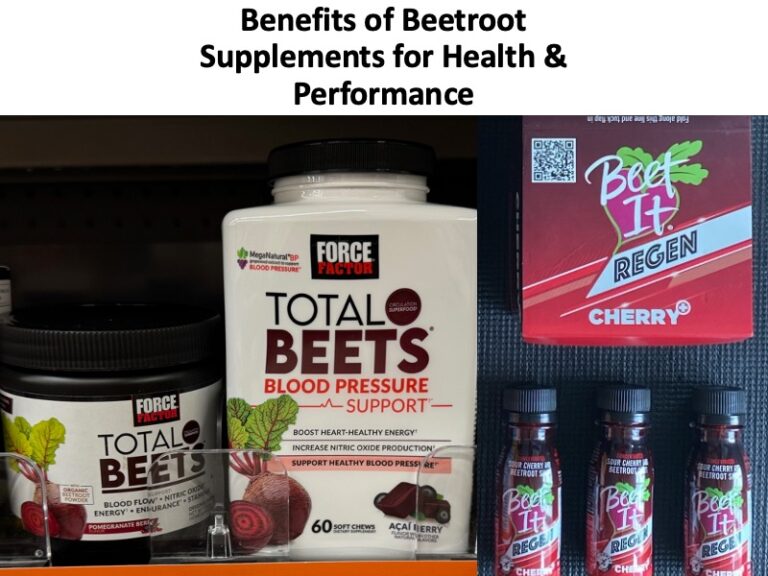
- Dietary nitrate: Concentrated beetroot products can increase nitrate intake and may improve exercise efficiency and some forms of endurance performance.
- Beta-alanine: Raises muscle carnosine concentrations over time and may help certain forms of high-intensity exercise, although responses and research findings vary.
- Sodium bicarbonate: Can improve extracellular buffering capacity during certain forms of intense exercise, although gastrointestinal side effects can make practical use difficult.
The usefulness of each depends heavily on the sport and training session.
There is no universal “athlete supplement stack.”
Vitamins and Minerals
Vitamin and mineral supplements are most useful when they address a dietary gap, increased physiological requirement, or confirmed deficiency.
Common examples include:
- Vitamin D
- Magnesium
- Iron
- Vitamin B12
- Calcium
- Zinc
More is not necessarily better.
Large doses of vitamins and minerals can create side effects or interfere with the absorption and metabolism of other nutrients.
For example, vitamin D supplements can be useful when vitamin D status is inadequate, but the ideal dose should reflect individual circumstances rather than automatically assuming everyone needs high-dose supplementation.
Omega-3 Supplements
Omega-3 supplements provide EPA and DHA through fish oil, krill oil, or algal sources.
EPA and DHA have important physiological roles in cardiovascular function, cell membranes, inflammatory signaling, and brain health.
People who regularly eat fatty fish may already obtain substantial amounts through their diet, while those who rarely eat seafood may have more reason to consider supplementation.
Product labels deserve attention because the EPA + DHA content can vary substantially even among products with the same total amount of fish oil (ODS, 2025).
Magnesium
Magnesium participates in hundreds of enzyme systems involved in protein synthesis, muscle and nerve function, blood glucose regulation, and energy metabolism (ODS, 2025).
A supplement may be useful when dietary intake is inadequate, although magnesium-rich foods such as nuts, seeds, legumes, whole grains, and leafy vegetables should remain part of the foundation.
Different supplemental forms also vary in elemental magnesium content, gastrointestinal tolerance, and intended use.
Read my guide to magnesium supplements for more detail.
Collagen
Collagen supplements are different from traditional protein powders.
Collagen is rich in glycine, proline, and hydroxyproline and is particularly relevant to connective tissues such as skin, tendons, cartilage, and ligaments.
However, collagen is not a complete protein and should not replace whey, dairy, soy, eggs, meat, or other high-quality proteins when muscle protein synthesis is the primary goal.
Types and formulations also differ.
Hydrolyzed collagen peptides typically contain Type I and III collagen, while Type II collagen products are often marketed specifically toward joint and cartilage support.
Gut Health Supplements
Supplements used for gut health include:
- Probiotics
- Prebiotics
- Fiber supplements
- Colostrum
- Digestive enzymes
- Certain fermented products
Probiotics are especially difficult to generalize because their effects can be strain-specific.
A product containing one bacterial strain cannot automatically be assumed to produce the same effect as another probiotic simply because both products contain “billions of CFUs.”
Similarly, prebiotics support beneficial gut microorganisms by providing substrates they can ferment, but many prebiotic compounds can also be obtained through fiber-rich foods.
Colostrum
Colostrum supplements are usually produced from bovine colostrum and contain immunoglobulins, lactoferrin, proteins, and various bioactive compounds.
Colostrum has become increasingly popular among athletes and people interested in gut and immune health.
Research remains more limited than it is for supplements such as creatine, so I consider colostrum a more specialized option rather than an essential supplement for everyone.
My own experience with colostrum has been positive, particularly as part of my nutrition and recovery routine, but personal experience is not equivalent to clinical evidence.
That distinction is important whenever I discuss a supplement I personally use.
Superfood and Greens Supplements
Superfood supplements often combine powdered fruits, vegetables, algae, herbs, probiotics, digestive enzymes, or adaptogens.
They can be convenient, particularly during travel or periods when dietary variety is limited.
However, I do not consider greens powders a replacement for vegetables and fruit.
Whole plant foods provide fiber, water, texture, and complex combinations of nutrients and phytochemicals that powdered blends may not reproduce.
I view a greens supplement as nutritional backup, not permission to ignore produce.
Supplements for Sleep and Recovery
Sleep supplements deserve careful use because improving sleep is different from simply making yourself feel sedated.
My sleep aid supplement guides discuss ingredients such as:
- Melatonin
- Magnesium
- Tart cherry
- Certain herbal products
Melatonin is particularly useful for influencing circadian timing and may be helpful during travel, jet lag, or disrupted schedules.
However, supplements should not be the first solution for chronic inadequate sleep caused by late-night caffeine, poor sleep scheduling, excessive screen exposure, uncomfortable sleeping conditions, or insufficient time in bed.
Sleep habits remain the foundation.
Supplements for Muscle Growth
The supplement industry makes muscle building look considerably more complicated than it needs to be.
The major requirements are still:
- Progressive resistance training
- Adequate calories
- Sufficient protein
- Carbohydrates to support training
- Sleep and recovery
Supplements then fill specific roles.
For many people, the most useful muscle-building supplements are simply protein powder when dietary protein is insufficient and creatine monohydrate for its independent performance and training benefits.
If you are deciding between them, my creatine vs. protein powder guide explains why they solve different problems.
Supplements for Weight Loss
I am considerably more skeptical of the weight-loss supplement category.
Most meaningful fat loss comes from maintaining an appropriate calorie deficit while preserving training quality, protein intake, muscle mass, sleep, and adherence.
Some compounds such as caffeine may temporarily increase energy expenditure or make training feel easier, but these effects are usually small compared with calorie intake and daily activity.
Products promising dramatic “fat burning” deserve particular skepticism.
My best supplements for weight loss guide focuses on realistic uses rather than treating supplements as substitutes for diet and exercise.
Who Might Benefit From Supplements?
The value of supplementation depends on the person.
Athletes
Athletes may have increased energy and nutrient requirements while also benefiting from certain evidence-supported performance supplements.
However, athletes subject to drug testing also have a greater reason to care about contamination and third-party certification.
People With Confirmed Nutrient Deficiencies
A supplement may be one of the most direct ways to correct a deficiency.
The appropriate dose and duration should depend on the nutrient, severity of the deficiency, diet, medications, and individual circumstances.
People Following Restricted Diets
Vegetarians, vegans, people with food allergies, and individuals excluding major food groups may require additional attention to nutrients such as vitamin B12, iron, calcium, vitamin D, omega-3 fatty acids, or protein.
This does not mean every restrictive diet automatically creates deficiencies.
It means supplementation should reflect what the diet actually provides.
Older Adults
Aging can change energy intake, appetite, nutrient absorption, muscle mass, and nutritional requirements.
Protein, vitamin D, calcium, vitamin B12, and other nutrients can become particularly important depending on dietary intake and health status.
People With High Convenience Needs
Sometimes supplementation is simply practical.
Protein powder, electrolyte mixes, creatine, or other simple products can make consistent nutrition easier during travel, long workdays, tournament schedules, or demanding training periods.
Convenience is a legitimate reason to use a supplement as long as it is not replacing the foundation of the diet.
Supplement Safety: What You Should Know
One of the biggest misconceptions about supplements is assuming that products sold legally must have been individually approved for effectiveness by the FDA.
They generally have not.
The FDA regulates dietary supplements under food law, and companies must ensure their products are safe and properly labeled. In general, the FDA does not approve individual dietary supplements or their structure/function claims before they reach the market (U.S. Food and Drug Administration [FDA], 2026).
That makes consumer judgment especially important.
Third-Party Testing
I strongly prefer independently tested products, particularly as a professional athlete.
Programs such as NSF Certified for Sport® test certified products against additional quality and banned-substance criteria and maintain searchable databases of certified products.
For drug-tested athletes, this can substantially reduce avoidable risk.
It cannot guarantee that a supplement will improve performance, but certification tells me much more about manufacturing and contamination control than an attractive label does.
Avoid Assuming “Natural” Means Safe
A compound does not become harmless because it comes from a plant.
Botanical ingredients can produce physiological effects, interact with medications, change blood pressure, affect the nervous system, or create other adverse effects.
“Natural” describes origin more than safety.
Be Skeptical of Proprietary Blends
A proprietary blend can make it difficult to know how much of each ingredient a product contains.
This is particularly problematic with performance supplements where effective dosages matter.
I prefer formulas that tell me exactly what I am consuming.
Watch for Extreme Claims
Claims such as:
- Melt fat rapidly
- Detox your body
- Boost testosterone dramatically
- Replace sleep
- Build muscle without training
- Cure inflammation
- Fix your hormones
deserve skepticism.
Supplement marketing often moves much faster than the evidence.
Supplement Safety for Competitive Athletes
Athletes who can be drug tested need another layer of caution.
The fact that an ingredient is not intentionally listed on a label does not guarantee a product cannot contain a prohibited substance through contamination, manufacturing errors, or adulteration.
Recent FDA enforcement continues to identify products marketed as supplements that contain undeclared or unlawful ingredients, illustrating why product quality matters (FDA, 2026).
I therefore prioritize:
- Transparent ingredient labels
- Reputable manufacturers
- NSF Certified for Sport® or comparable sport-specific testing
- Avoiding aggressive stimulant blends
- Checking ingredients against current anti-doping rules
- Avoiding products making pharmaceutical-style promises
A slightly better workout is never worth risking an athletic career.
Supplements I Personally Use
Supplements I Use Regularly
As a professional athlete, my body is my tool, and keeping it in top condition requires more than just rigorous training.
Nutrition plays a critical role, and over the last decade, I’ve fine-tuned a supplement regimen that helps me recover faster, train harder, and optimize my overall health.
Every supplement I use is carefully selected based on its effectiveness, scientific backing, and how it aligns with my performance goals.
Here are the supplements that have become staples in my daily routine:
Protein Powders
Protein is a cornerstone of any athlete’s diet, as it aids in muscle repair and growth.
Over the years, I’ve transitioned to plant-based protein powders, which I find gentler on my digestive system and equally effective in meeting my protein needs.
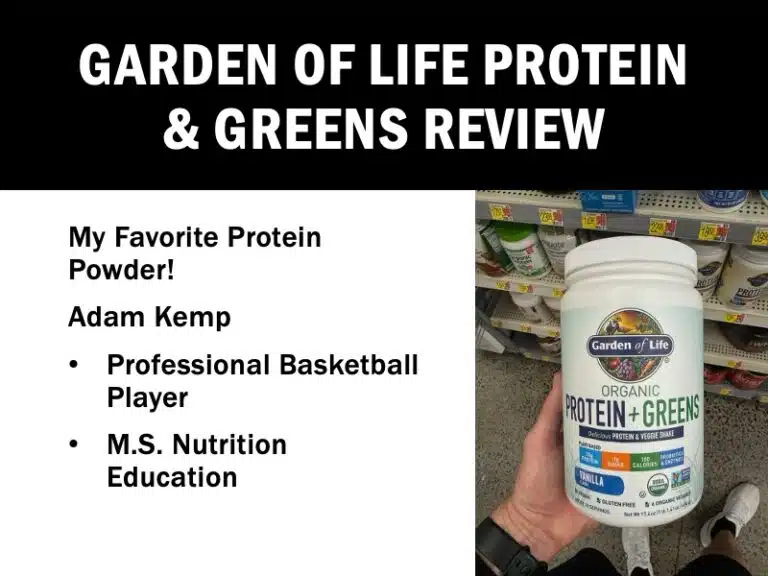
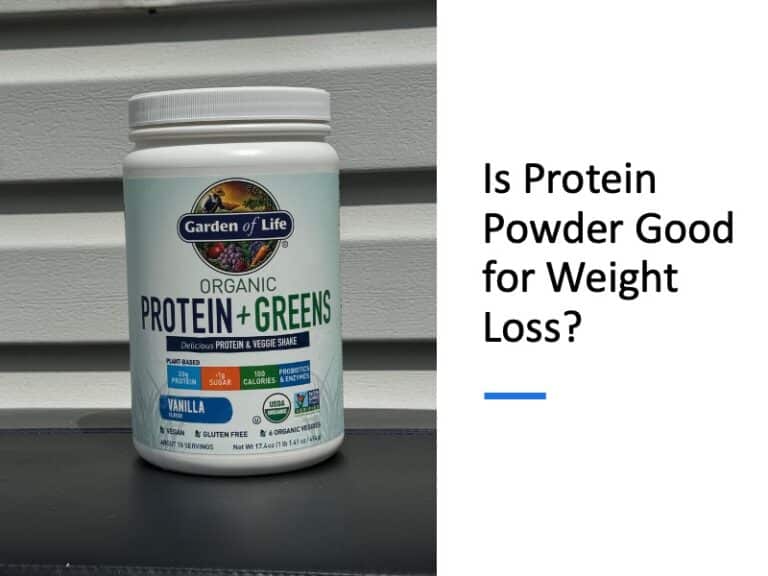
My favorites are Garden of Life Protein and Greens or OWYN shakes, which deliver 20 grams of plant-based protein per serving.
Sale


Last update on 2026-09-04 / This article includes affiliate links/Images via Amazon Product Advertising API. I may earn commissions on purchases made through these links.
What I love about OWYN is not just the protein content, but the convenience—it’s an ideal choice for when I’m on the road or need a quick post-workout recovery drink.
Additionally, OWYN protein shakes are free from common allergens and artificial ingredients and provide a clean, delicious source of protein that fits seamlessly into my daily routine.

Last update on 2026-09-04 / This article includes affiliate links/Images via Amazon Product Advertising API. I may earn commissions on purchases made through these links.
Amino Acids
Amino acids are the building blocks of protein, and incorporating them into my supplementation routine helps me recover faster and reduce muscle soreness after tough workouts.
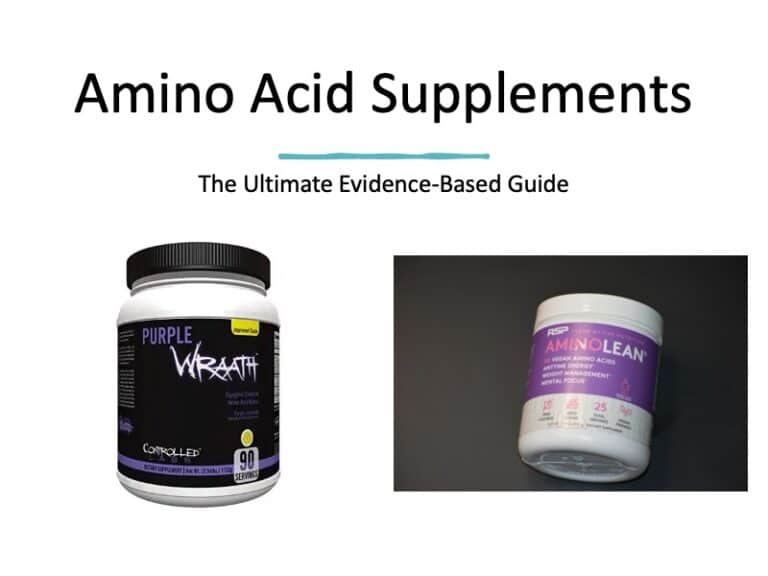
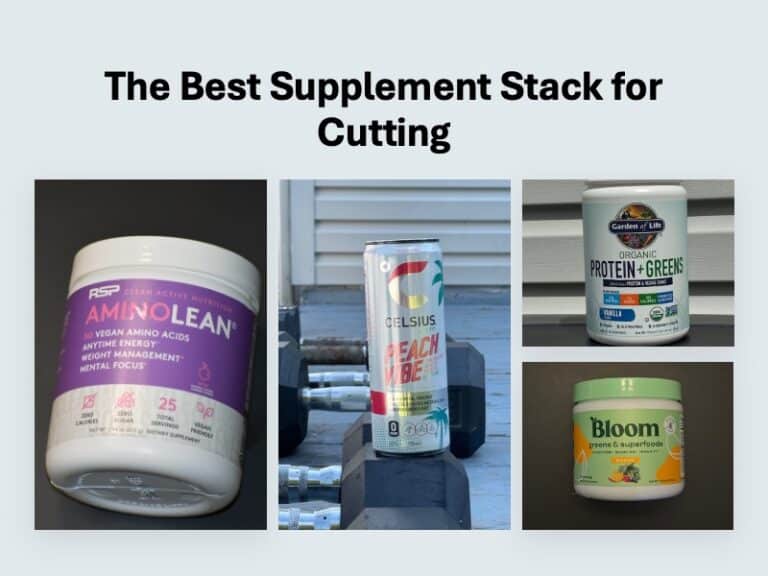
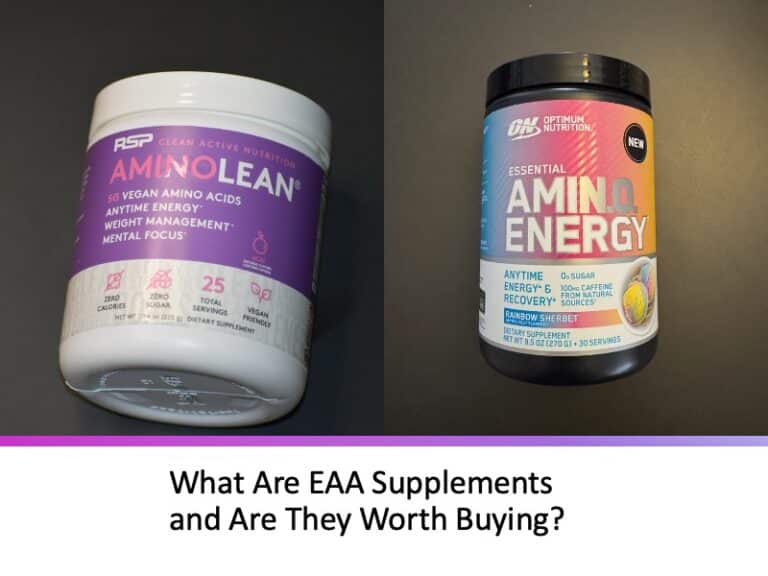
I alternate between two great options for amino acids: RSP AminoLean and Xtend BCAAs.
While both products deliver essential amino acids (EAAs) and branched-chain amino acids (BCAAs) crucial for muscle recovery, they have some differences.
RSP AminoLean is a more well-rounded product that also includes energy-boosting ingredients like caffeine and fat-burning compounds, making it a great pre-workout option.

Last update on 2026-09-04 / This article includes affiliate links/Images via Amazon Product Advertising API. I may earn commissions on purchases made through these links.
Xtend BCAAs, on the other hand, is caffeine-free and focuses purely on BCAAs and electrolytes, which I prefer for intra-workout hydration and muscle recovery.
Together, these amino acid supplements ensure I’m always giving my muscles the fuel they need to rebuild and grow.

Last update on 2026-09-04 / This article includes affiliate links/Images via Amazon Product Advertising API. I may earn commissions on purchases made through these links.
Pre-Workout
When it comes to boosting energy and performance before a workout, I like to keep things simple yet effective. My go-to pre-workout options vary depending on the intensity of my workout and my overall energy levels that day.
AminoLean often doubles as my pre-workout thanks to its balanced mix of amino acids, energy boosters, and fat burners.
On lighter days or when I need a caffeine boost without additional ingredients, I’ll stick to black coffee, which provides a clean energy lift without any added sugar or artificial ingredients.
However, for those heavy lifting days when I need extra endurance and focus, I opt for Optimum Nutrition Gold Standard Pre-Workout. It offers a potent mix of caffeine, beta-alanine, and creatine, giving me the stamina to push through intense workouts while supporting muscle building and performance.

Last update on 2026-09-04 / This article includes affiliate links/Images via Amazon Product Advertising API. I may earn commissions on purchases made through these links.
Superfoods
Gut health is a critical factor not only for digestion but for overall vitality, energy levels, and immune function.
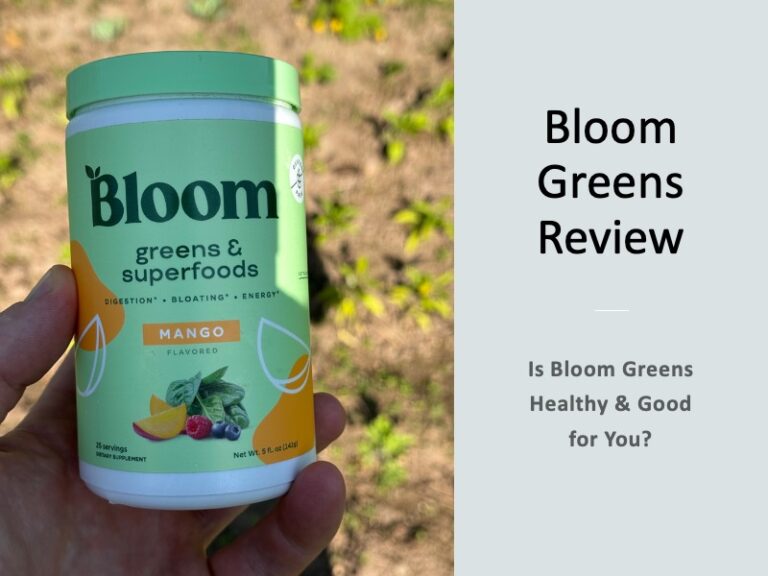
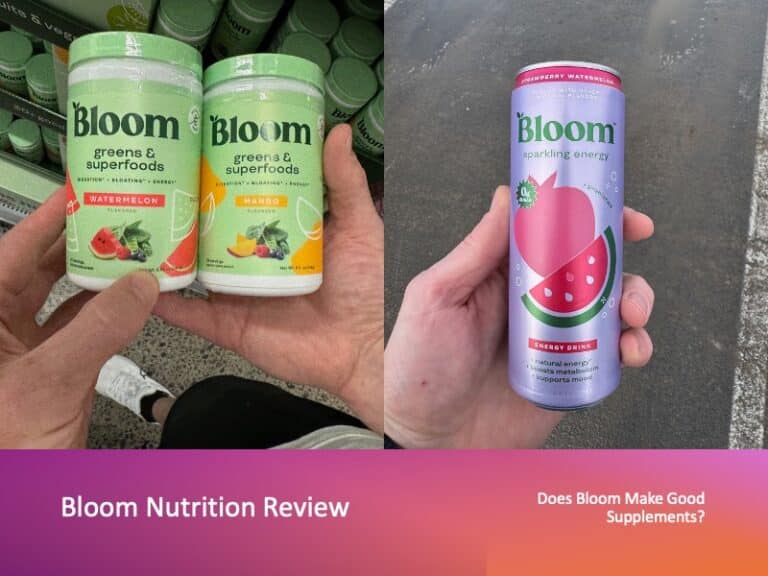
I’ve experimented with several superfood supplements over the years, but Bloom Greens & Superfoods has emerged as my favorite.
Bloom’s blend includes a variety of fruits, vegetables, probiotics, and digestive enzymes that support my gut health and help me feel more energetic throughout the day.
It’s become a daily ritual for me, and I’ve found that it improves digestion, reduces bloating, and helps keep my immune system strong—an important factor for anyone who trains at a high level and travels often.
The nutrient-dense profile of Bloom Superfoods makes it a great all-in-one supplement for anyone looking to fill the nutritional gaps in their diet.

Last update on 2026-09-04 / This article includes affiliate links/Images via Amazon Product Advertising API. I may earn commissions on purchases made through these links.
Colostrum
Colostrum has been one of the most transformative additions to my supplement routine.
It has significantly improved my gut health, reduced allergy symptoms, and supported my immune system.
Colostrum is rich in antibodies and growth factors that help repair the gut lining, making it an excellent option for athletes who want to optimize their digestive health and nutrient absorption.
Force Factor Colostrum is my preferred brand, and I’ve noticed substantial improvements in my energy levels and recovery times since incorporating it into my routine.
Given its impact on my overall well-being, colostrum supplements have become a non-negotiable part of my daily regimen.

Last update on 2026-09-04 / This article includes affiliate links/Images via Amazon Product Advertising API. I may earn commissions on purchases made through these links.
Creatine Monohydrate
Creatine monohydrate is one of the most studied and proven supplements for improving strength, muscle mass, and performance.
I’ve been using creatine for years, particularly during intense training cycles when I need that extra boost to maximize power output and endurance.
Creatine works by increasing ATP production, which provides quick energy bursts during high-intensity activities like weightlifting or sprinting.
It also supports brain health, cognitive function, and overall cellular energy, making it beneficial beyond just athletic performance.
For me, creatine has been instrumental in maintaining my strength and muscle mass throughout my career, especially when combined with proper nutrition and training.
Whether you’re an athlete looking to improve performance or someone focused on building muscle, creatine is a foundational supplement that delivers results.
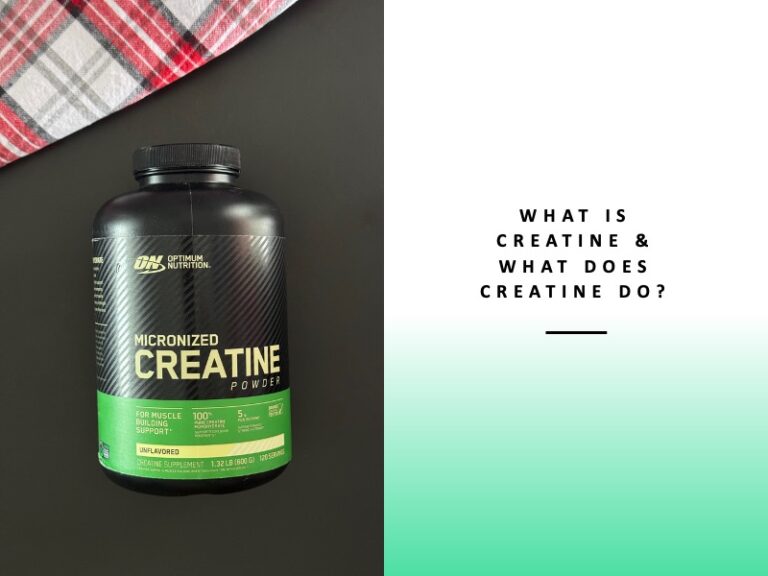
My favorite creatine supplement is Optimum Nutrition Creatine Monohydrate due to its purity, effectiveness, and excellent mixability.

Last update on 2026-09-04 / This article includes affiliate links/Images via Amazon Product Advertising API. I may earn commissions on purchases made through these links.
Collagen
Collagen is an essential protein for joint health, skin elasticity, and overall recovery, making it a valuable addition to my supplement routine.
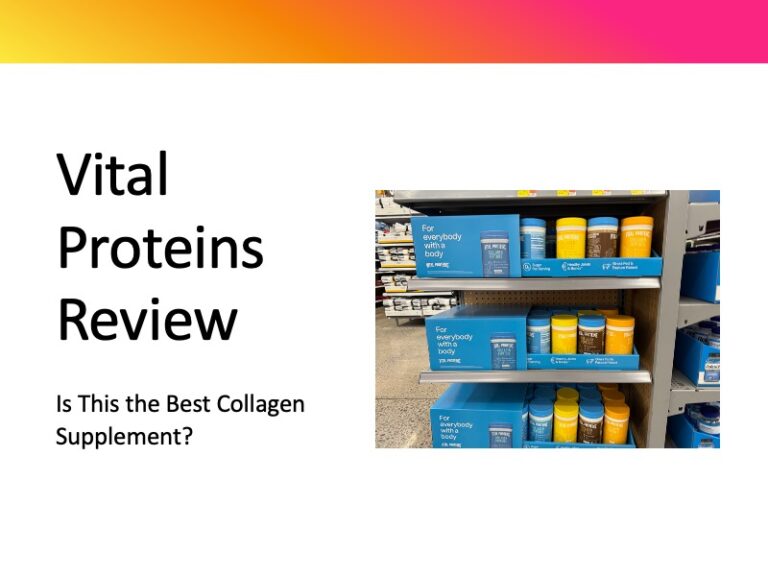
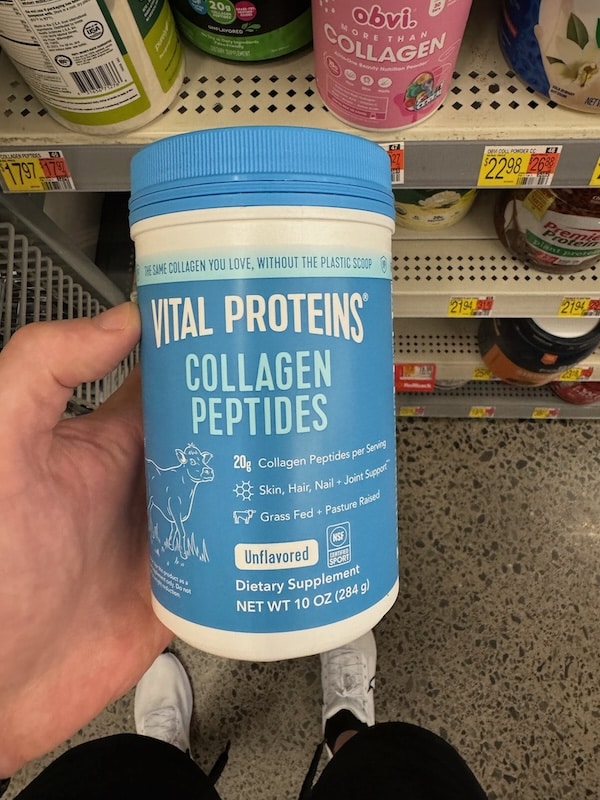
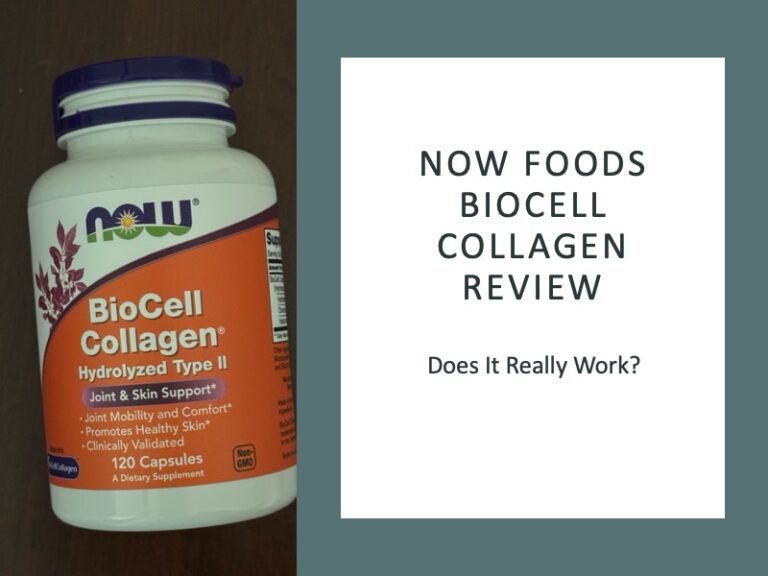
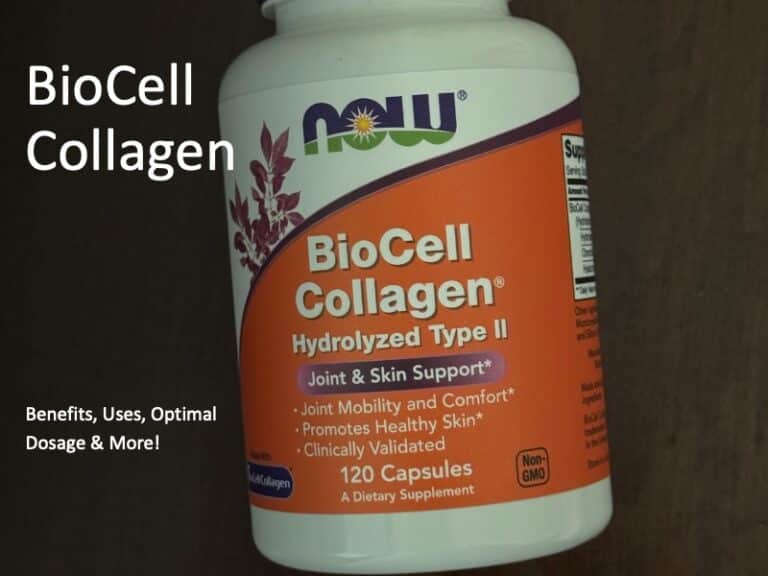
While I occasionally use Vital Proteins Collagen as an extra source of protein and for its joint-supporting benefits, the collagen supplement I rely on year-round is NOW Foods BioCell Collagen.
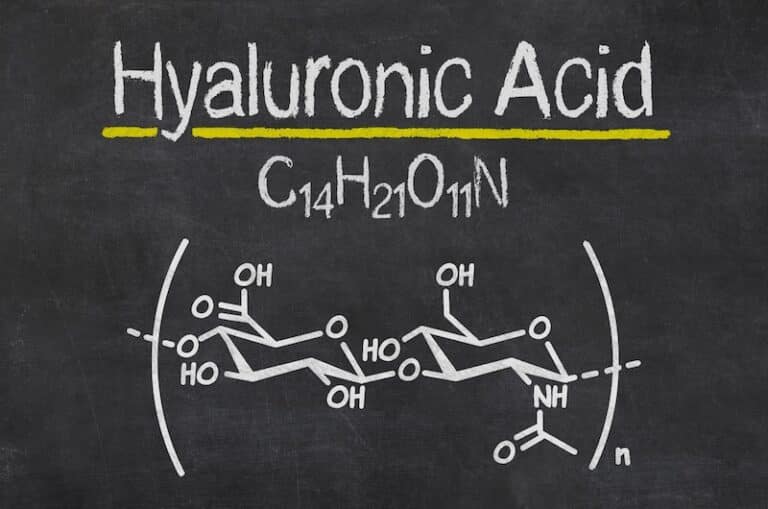
BioCell Collagen provides hydrolyzed type II collagen, hyaluronic acid, and chondroitin sulfate, making it highly effective for maintaining joint integrity, reducing inflammation, and supporting connective tissues.
I’ve found that taking it consistently helps with joint mobility and recovery, particularly during heavy training cycles or after long seasons.
For athletes and active individuals looking to protect joints and improve overall resilience, collagen is an excellent supplement to include in a well-rounded regimen.

Last update on 2026-09-04 / This article includes affiliate links/Images via Amazon Product Advertising API. I may earn commissions on purchases made through these links.
Magnesium
Magnesium plays a key role in relaxation, stress reduction, and sleep quality by regulating GABA activity, a neurotransmitter that helps calm the nervous system.
I take magnesium to support muscle recovery, reduce stress, and improve sleep onset, especially after intense training days.
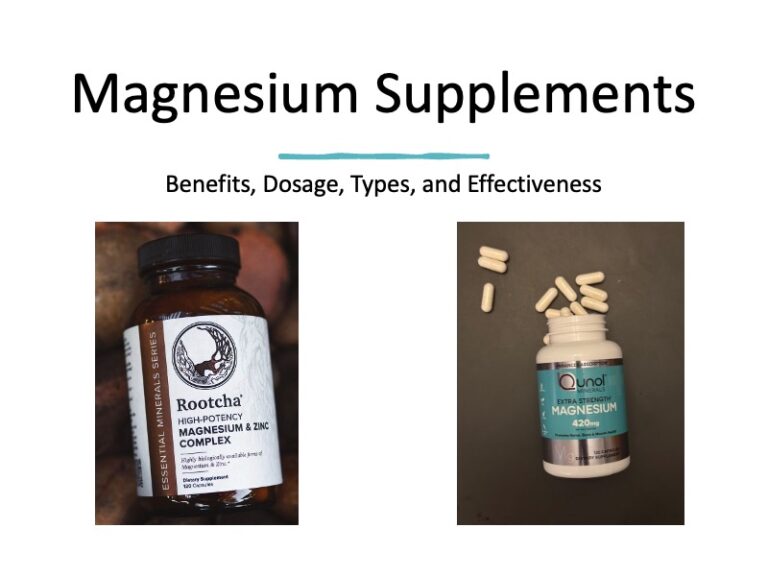
My go-to magnesium supplement is Qunol Magnesium Glycinate because of its high absorption and gentle digestion, making it an effective and reliable choice for daily use.
Sale

Last update on 2026-09-04 / This article includes affiliate links/Images via Amazon Product Advertising API. I may earn commissions on purchases made through these links.
How to Choose the Right Supplements for Your Needs
Before purchasing a supplement, I recommend working through a simple process.
1.) Define Your Goal
Do you actually know why you are taking it?
“Better health” is usually too broad.
A clearer goal might be:
- Correct low vitamin D status
- Increase daily protein intake
- Improve repeated sprint performance
- Increase muscle creatine stores
- Replace electrolytes during heavy sweating
- Improve convenience while traveling
The clearer the goal, the easier the supplement is to evaluate.
2.) Examine the Evidence
Look for human research that matches the intended outcome.
A mechanism that sounds plausible in a laboratory does not automatically produce a meaningful benefit in real people.
Please check out my Supplement Reviews category, where I analyze the variety of supplements I’ve used.
3.) Check the Dose
A proven ingredient can still be ineffective if the product contains too little.
This is common in multi-ingredient formulas designed to fit many ingredients onto one label.
4.) Evaluate Safety
Consider:
- Medications
- Other supplements
- Health conditions
- Caffeine intake
- Timing
- Total daily dose
- Possible interactions
More ingredients create more variables.
5.) Check Product Quality
Look for transparent labeling and credible third-party testing.
Athletes should place even more emphasis on sport-specific certification.
6.) Decide Whether You Actually Need It
This final step saves a lot of money.
If you already get enough of a nutrient from food and the supplement has no separate evidence-based benefit, you may not gain anything meaningful from adding it.
7.) Review the Results
This last part is crucial because regardless of the reviews or evidence, you want to track and analyze whether or not the supplement you are using actually makes a difference for your or not.
Common Supplement Myths
Myth: More Supplements Mean Better Results
A large supplement stack can make a routine feel advanced without making it more effective.
A few targeted products can outperform a cabinet full of poorly chosen supplements.
Myth: Supplements Can Replace Poor Nutrition
They cannot reproduce the complete effects of an adequate diet.
A multivitamin does not replace vegetables, and protein powder does not automatically correct an overall low-quality eating pattern.
Myth: Natural Supplements Are Always Safer
Plant-derived compounds can still have side effects and drug interactions.
Safety depends on the compound and dose, not whether the label says “natural.”
Myth: If a Supplement Is Sold in Stores, the FDA Has Proven It Works
Dietary supplements generally do not undergo FDA premarket approval for effectiveness in the way prescription drugs do (FDA, 2026).
Myth: BCAAs Are Necessary for Muscle Growth
If you already consume adequate high-quality protein, additional BCAAs are unlikely to be one of the highest-value supplements in your routine (ODS, 2024).
Myth: Fat Burners Can Replace a Calorie Deficit
No supplement bypasses energy balance.
Some ingredients may modestly affect energy expenditure or appetite, but fat loss still depends primarily on maintaining an appropriate calorie deficit over time.
Supplements FAQs
Final Thoughts on Dietary Supplements
Supplements can be useful, but I think their value increases when you become more selective about them.
My own approach changed from trying many different products to identifying the few that actually solve a problem my diet and training cannot solve as efficiently.
Start with nutrition.
Eat enough protein and carbohydrates for your goals, consume fruits and vegetables regularly, include healthy fats, hydrate appropriately, and get enough sleep.
Then look at what is missing.
- Maybe you need creatine for performance.
- Maybe a protein shake makes your schedule easier.
- Maybe bloodwork identifies a nutrient deficiency.
- Maybe a certified pre-workout helps before selected training sessions.
That is where supplementation becomes useful: when the product has a clear job.
Use the guides throughout this section to evaluate individual supplements, ingredients, products, and goals in greater depth.
All Supplement Related Articles
-

Whey Isolate vs Concentrate: Which is Better for Your Goals?
Whey isolate vs concentrate comes down to protein purity, digestion, budget, and goals. Learn which powder better supports muscle, recovery, and health.
-

Best Pre Workout Supplements (2026)
I have used many of the best pre workout supplements throughout my professional basketball career, and I have learned that an effective formula should provide useful…
-
Creatine vs Protein Powder: Which One Should You Choose?
Creatine vs protein powder: compare muscle-building benefits, timing, safety, and the best choice for your training, recovery, and nutrition goals today.
-

Is Creatine Safe to Take Daily? What the Evidence Says
Is creatine safe daily? Learn who benefits, the research on kidney health, effective dosing, side effects, and when to speak with your doctor first.
-
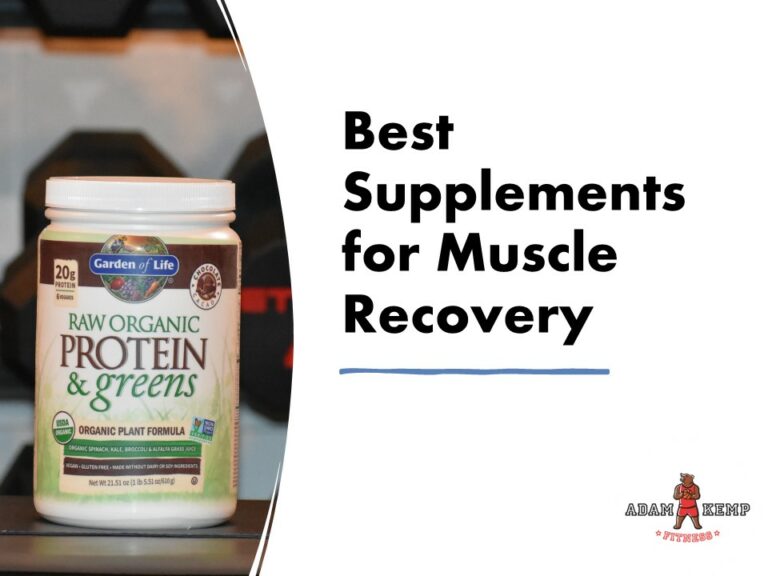
10 Best Supplements for Muscle Recovery (2026)
Recovering from hard workouts requires giving your body the building blocks it needs to repair and grow stronger, which is why choosing the best…
-
How to Choose a Protein Powder: Based on Your Goals
Learn how to choose protein powder based on your goals, diet, digestion, ingredients, and budget so every scoop supports training and recovery daily use.
-
Magnesium for Sleep: Does Magnesium Improve Sleep Quality?
Does magnesium improve sleep? Learn what the research says, who may benefit, best forms, timing, dosage, and when it may not help.
-
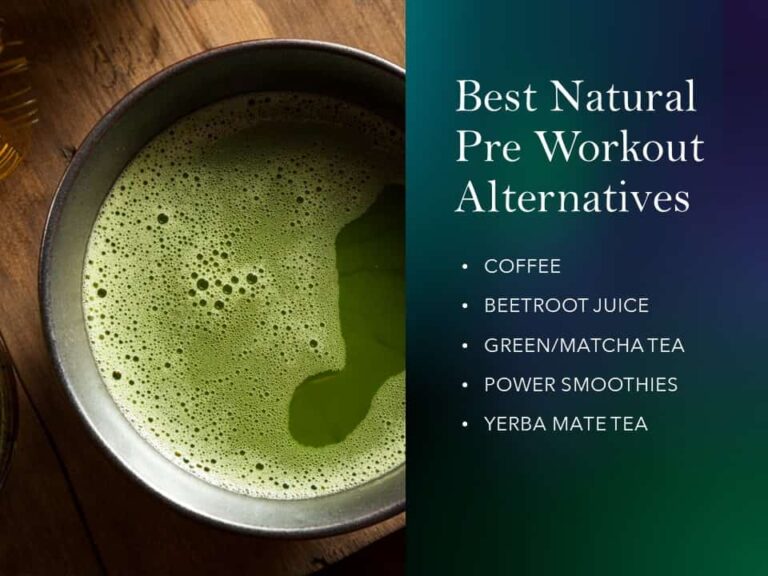
Best Natural Pre Workout Alternatives & Healthy Pre Workouts
If you’re searching for the best natural pre-workout alternatives, I am confident that the options I have provided in this article are perfect for you!…
-
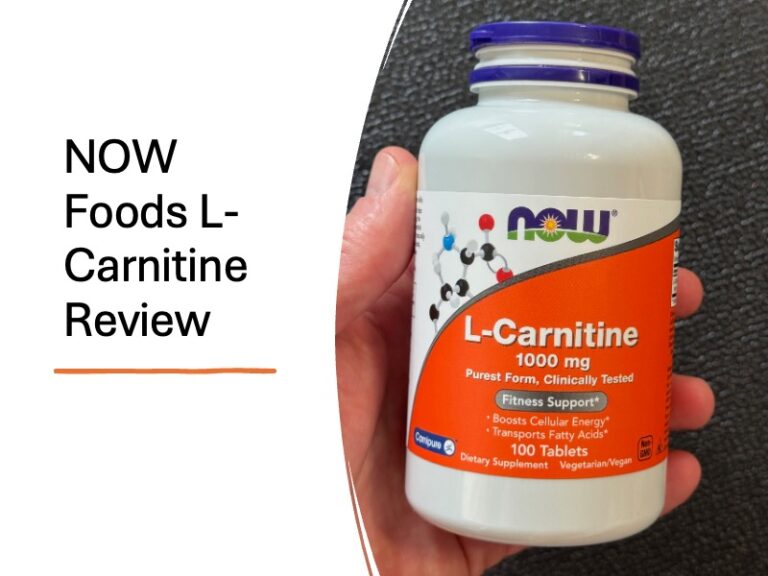
NOW Foods L-Carnitine Review & Product Info: Is This a Good L-Carnitine Supplement?
NOW Foods L-Carnitine is the L-carnitine supplement I personally use because I have found it to be one of the most practical and effective…
-
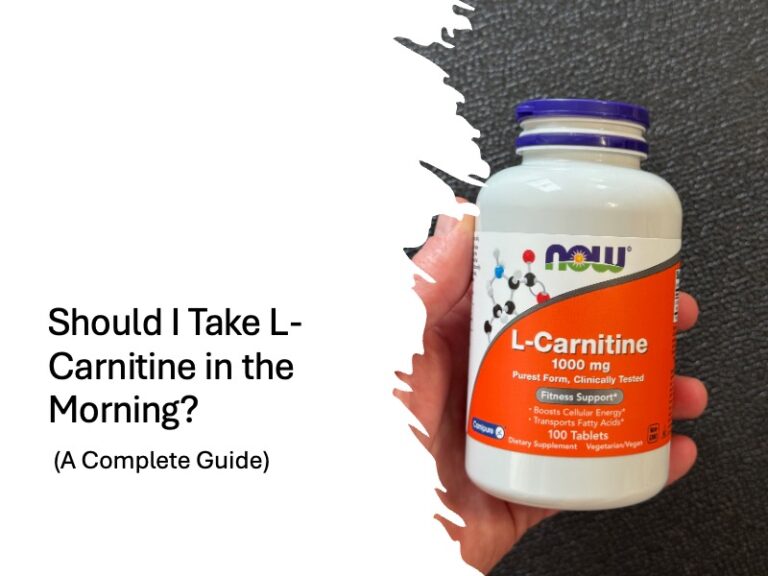
Should I Take L-Carnitine in the Morning? (Complete Guide)
If you’re wondering should I take L-carnitine in the morning, the short answer is yes. Taking L-carnitine in the morning is safe, effective, and often…
-
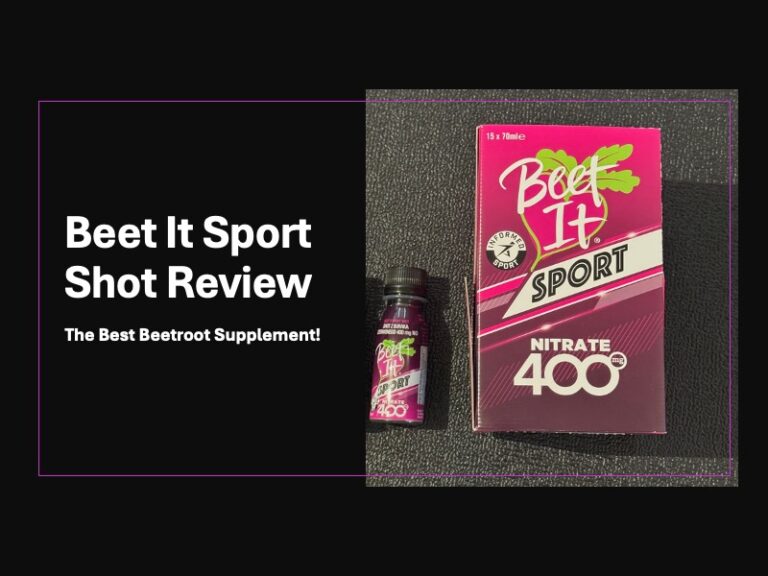
Beet It Sport Shot Review: The Best Beetroot Supplement!
If you are looking for a simple, research-backed way to support endurance and fatigue resistance without relying on stimulants, Beet It Sport Shots (400…
-
How Do Traditional Herbal Supplements for Sleep Help Combat Restlessness?
Restlessness at night can feel overwhelming when your mind refuses to slow down, and your body struggles to relax, which is why many people…
-

GABA for Kids: Is GABA Safe for Kids to Use?
Parents today are increasingly exploring natural options to help their children manage sleep difficulties, anxiety, or hyperactivity, leading to growing interest in GABA for kids.…
-
Gamma-Aminobutyric Acid (GABA): What It Is, Function & Uses
GABA, short for gamma-aminobutyric acid, acts as the brain’s natural brake system bycalming overactive neurons and helping maintain balance between stimulation and relaxation. It’s…
-
Creatine Monohydrate: Benefits, Uses, and Dosage Guidelines
Creatine monohydrate is one of the most effective and well-researched supplements for building strength, muscle, and athletic performance. Not only that, creatine monohydrate has…
-
Top 10 Best Supplements for Men Over 40
Choosing the best supplements for men over 40 is a great way to support the body during a stage of life when significant physiological changes begin…
-
Bloom Greens & Superfoods Review: Benefits, Uses, Pros, Cons
In this Bloom Greens review, I share my firsthand experience with using Bloom Greens & Superfoods and explain why I believe it is worth purchasing…
-

BCAAs vs EAAs: What’s the Difference and Which are Better?
Comparing BCAAs vs EAAs for supplemental amino acids is a common debate in the world of sports nutrition and supplementation. In general, amino acids…
-
Tal’s Great Healthy Life Supplements: Come Alive & Feel Alive Review
Tal’s Great Healthy Life is not just a supplement brand; it embodies a unique narrative of resilience and health management. Tal, the founder, has…
-
7 Proven Herbal Supplements for Immunity & Exercise Recovery
Utilizing proven herbal supplements for immunity and immune system support can make a significant difference for athletes who want to stay consistent with their…
-
NMN Supplement Review: Are NMN Supplements Worth Taking?
NMN supplements have emerged as one of the most promising tools in the “biohacker’s” quest to slow aging, increase energy, and support cellular health. As…
-

L-Carnitine: Benefits, Side Effects, Uses & Best Supplements
Although often used as a weight loss supplement, the benefits of L-carnitine extend far beyond fat burning. From boosting endurance and accelerating recovery to improving cognitive…
-

Your Super Energy Bomb Review: Ingredients, Uses, Pros, Cons
As a professional basketball player with a decade-long career overseas and a Master’s in Nutrition Education, I’ve tested countless supplements to support my energy,…
-
Vital Proteins Daily Greens Review: Pros & Cons, Ingredients
Vital Proteins Daily Greens is not the most advanced or hyped supplement, but it strikes a unique balance between a simple, well-formulated product with…
-
Benefits of High-Protein Shakes: Are They Good for You?
The benefits of high-protein shakes extend far beyond muscle building, as they offer a convenient and effective way to support recovery, improve satiety, and increase overall…
-
Melatonin: What it Is, Benefits, Supplement Safety & More
Melatonin plays a crucial role in regulating your body’s natural sleep-wake cycle, and melatonin supplements have become one of the most popular natural sleep…
-
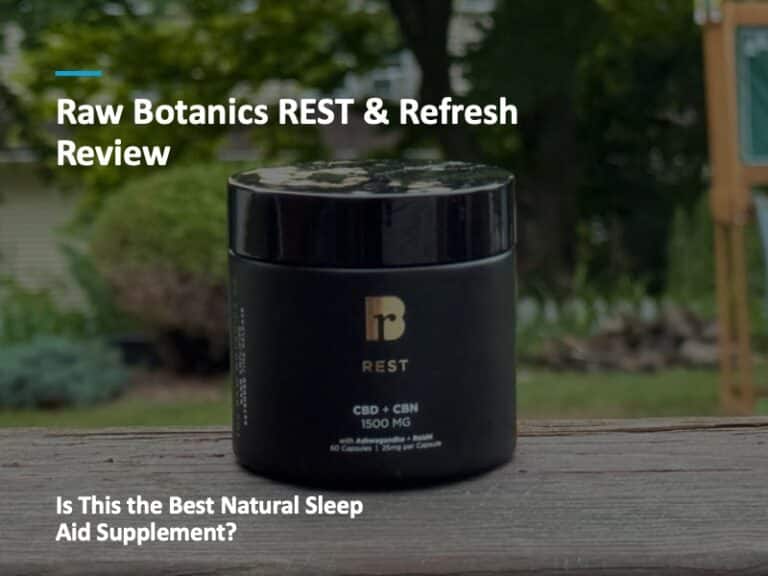
Raw Botanics REST & Refresh Review: Is it Worth Buying?
Although I certainly have enjoyed my experience using Raw Botanics REST & Refresh, before adding Raw Botanics REST & Refresh or any new supplement to your…
-
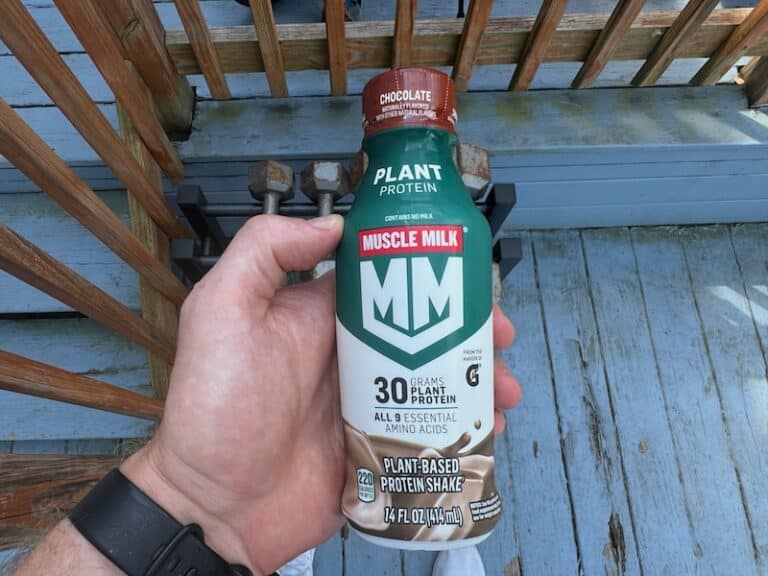
Muscle Milk Plant Protein Shake Review: Is It Worth Buying?
When I came across Muscle Milk Plant Protein on a recent trip to Walmart, I was intrigued by its promise of a clean, plant-based…
-
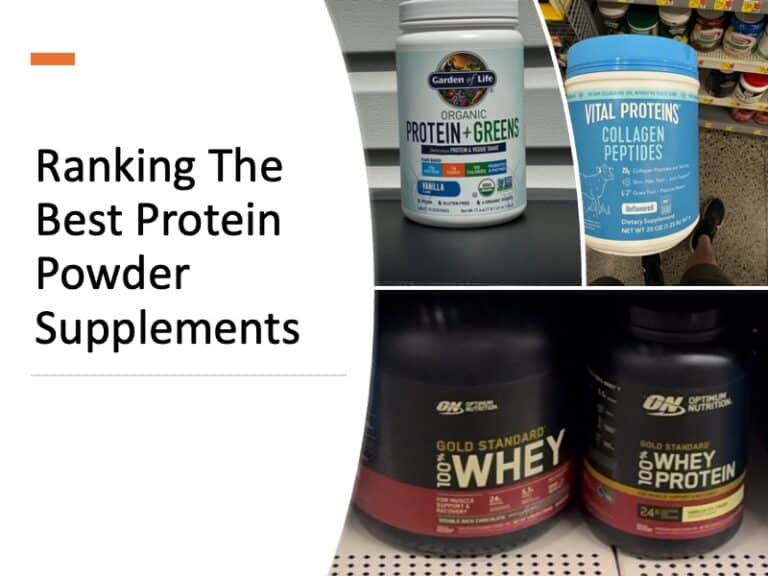
Ranking The Best Protein Powder Supplements (2026)
Protein powder supplements have become a daily staple for athletes, fitness lovers, and health-conscious individuals striving to meet their protein needs efficiently. Whether you’re…
-
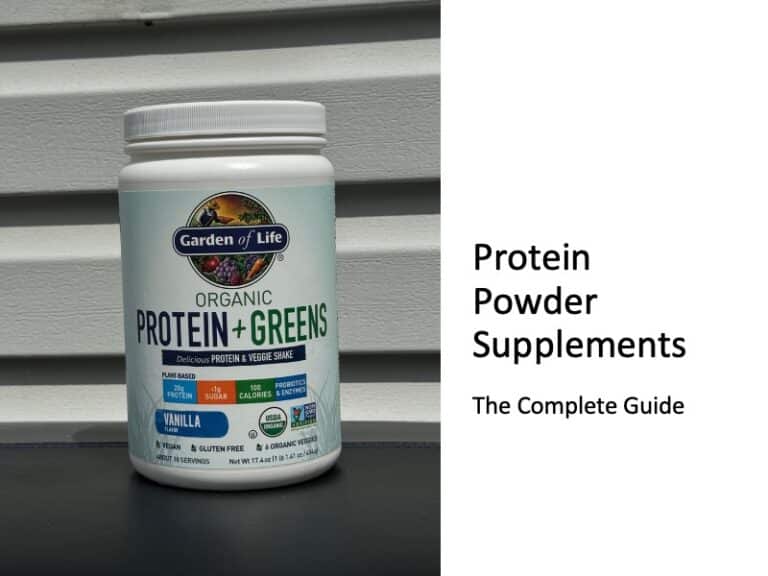
Protein Powder Supplements: Benefits, Uses, Best Choices
Over the years, I’ve used various forms of protein powder supplements and found them to be one of the most practical and effective tools…
-
Vital Proteins Collagen Peptides Review: Is it Good for You?
Known for its high-quality, sustainably sourced ingredients and proven bioavailability, Vital Proteins Collagen Peptides has earned its reputation as one of the best collagen…
-
The Ultimate Evidence-Based Guide to Amino Acid Supplements
Amino acids are the building blocks of life, playing a vital role in nearly every physiological function of the human body. For that reason,…
-
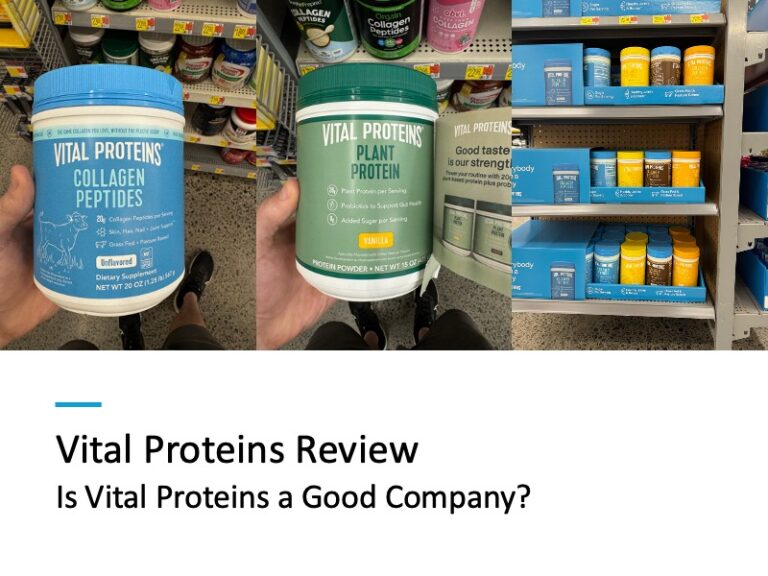
Vital Proteins Review: Is Vital Proteins a Good Company?
Over the past several years, my wife and I have incorporated a wide range of Vital Proteins supplements into our health and wellness routines—on and off,…
-
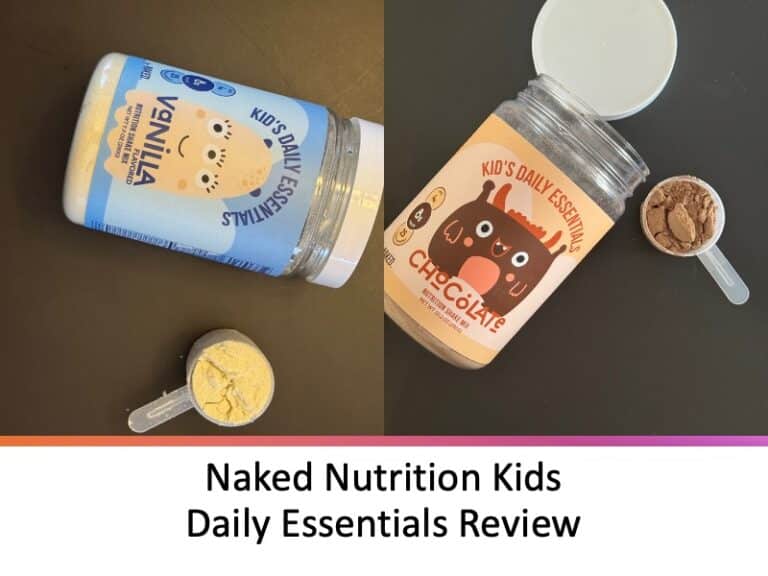
Naked Nutrition Kids Daily Essentials Review: Is It the Best Kids Nutrition Shake?
Naked Nutrition Kids Daily Essentials is a thoughtfully formulated shake designed to fill nutritional gaps in growing children who need extra support for energy, focus,…
-
Best Supplement Stack for Cutting Fat & Getting Leaner
As a professional athlete with a Master’s Degree in Nutrition Education, I know that achieving a lean, shredded physique requires more than just a…
-
How to Choose the Best Vitamin and Mineral Supplements
Not everyone needs vitamin and mineral supplements, and taking unnecessary supplements can be ineffective or even counterproductive. While vitamins and minerals play a crucial role…
-
Garden of Life Protein and Greens Review: How Good is It?
As a professional basketball player and nutrition educator, I regularly choose Garden of Life Protein and Greens as my protein powder of choice due to its…
-
Are Protein Shakes Good for Kids? From Evidence & Experience
Protein plays a fundamental role in childhood development, supporting muscle growth, immune function, and overall well-being. While whole foods should remain the primary source…
-
Benefits of Beetroot Supplements for Health & Performance
While completing my master’s degree in nutrition education, I learned about the science behind beetroot supplements and their ability to enhance endurance, improve oxygen…
-

Best Nootropics for Energy & How to Use Nootropics for Energy
Nootropics are a class of substances that boost brain performance by altering the availability of neurotransmitters, enzymes, hormones, and oxygen to the brain, and…
-
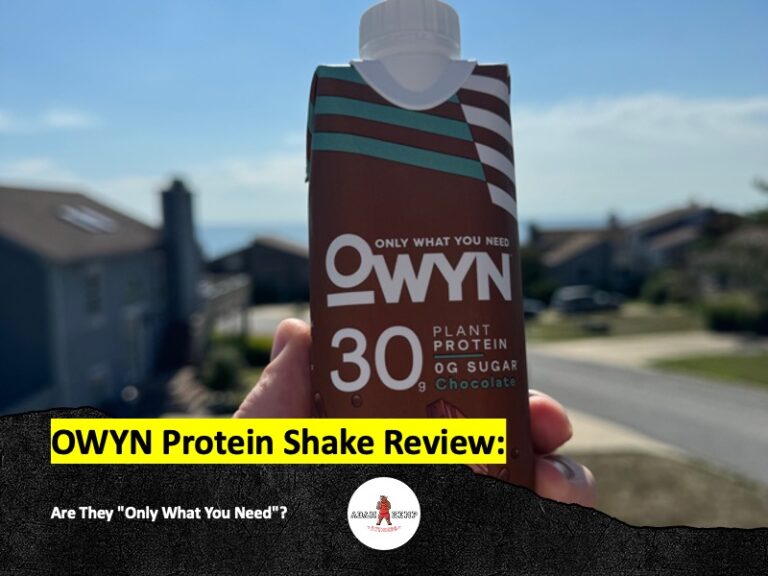
OWYN Protein Shake Review: Are They “Only What You Need”?
Did you know that OWYN (Only What You Need) shakes contain 20 grams of protein per serving, which is considered the optimal amount for…
-
Magnesium L-Threonate: The Best Magnesium for Brain Health
If you have ever struggled with brain fog, memory lapses, or difficulty concentrating, one of the best nutrients for you is magnesium, which many people overlook. Among all…
-
Benefits of BCAAs and Glutamine for Muscle Recovery & Growth
Branched-chain amino acids and glutamine are widely popular supplements among athletes and fitness enthusiasts. Although the research on their effectiveness is inconclusive, both appear…
-
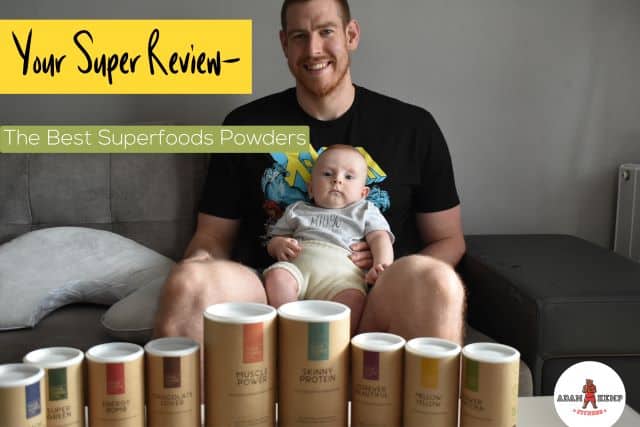
Your Super Review: Are These Superfood Powders Worth Buying?
As a professional athlete, I strive to find the best products that align with my health, fitness, and performance goals. For several years, I…
-
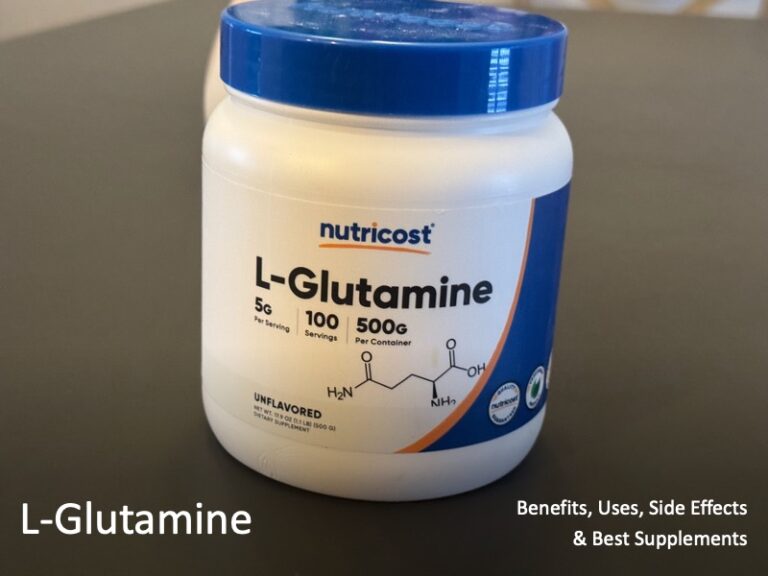
L-Glutamine: Benefits, Uses, Side Effects & Best Supplements
There’s a lot of debate about whether glutamine supplements are truly necessary since it’s one of the most abundant amino acids in the body…
-
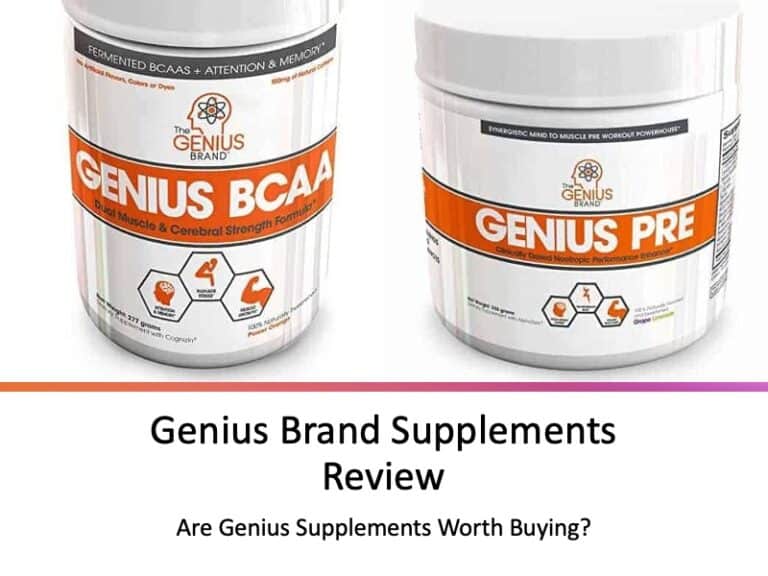
Genius Brand Supplements Review: Are They Worth Buying?
Tired of supplements packed with fillers and artificial ingredients that do more harm than good? Genius Brand offers a refreshing alternative with high-quality, clean…
-
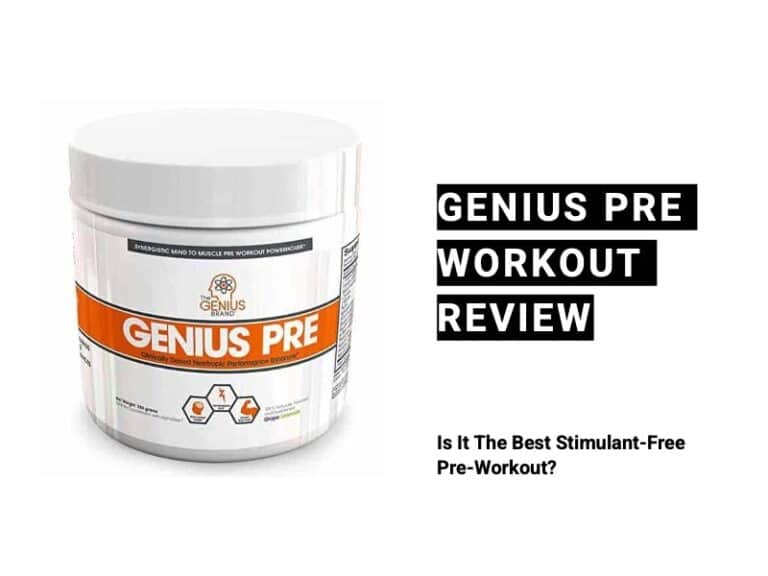
Genius Pre Workout Review: Is it the Best Stimulant-Free Pre-Workout?
Many pre-workout supplements rely on high doses of caffeine and artificial stimulants to boost energy. While these ingredients can enhance alertness, they often lead…
-
L-Tyrosine: Benefits, Dosage, Optimal Use & Best Supplements
L-Tyrosine is a popular amino acid supplement known for its role in cognitive function, stress management, and energy production. However, I don’t necessarily recommend…
-

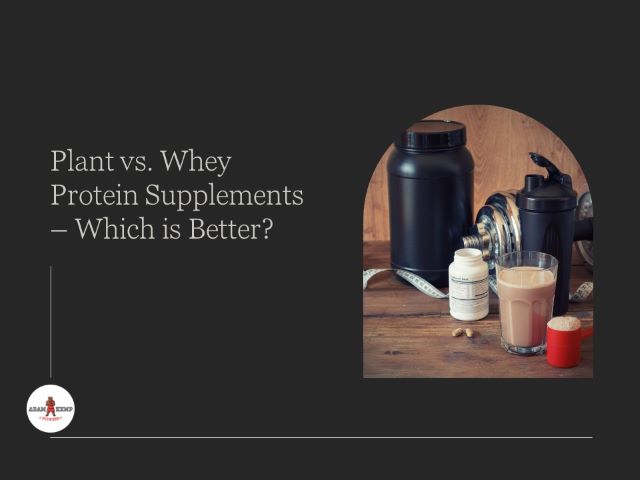
Whey vs Plant Protein: Is Plant or Whey Protein Better?
While whey protein has long been the go-to choice for protein powder supplements, plant-based protein powders have gained popularity in recent years as a…
-
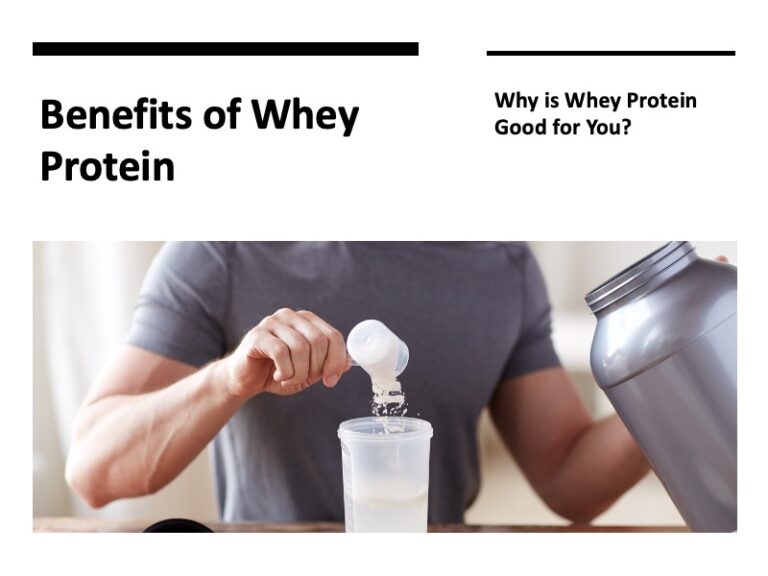
Benefits of Whey Protein: Why is Whey Protein Good for You?
Whey protein is one of the most popular and scientifically backed protein supplements, known for its high-quality amino acid profile and rapid absorption, making it an excellent choice…
-

What is Bovine Collagen & Is Bovine Collagen Safe?
Bovine collagen is a protein sourced from cows, specifically from their hides, bones, and muscles. Primarily composed of type I and type III collagen,…
-
Creatine: Benefits, Optimal Dosage, General Explainer Guide
Creatine is one of the most researched and effective supplements in sports nutrition, yet it remains misunderstood by many. Some believe it’s a secret…
-
What Are EAA Supplements and Are They Worth Buying?
If you’re looking to learn about the best EAA supplements for muscle growth, speeding up recovery, and improving your body composition, this guide will…
-

Hyaluronic Acid: Benefits, Uses, Safety & More
Hyaluronic acid (HA) is a powerhouse compound known for its exceptional ability to retain moisture, making it a key component in skincare, joint health, and overall…
-
Magnesium Supplements: Benefits, Dosage, Types, and Effectiveness
Magnesium is an essential mineral involved in over 300 enzymatic reactions in the body, influencing muscle function, nerve health, and energy production. Despite its…
-
What Are Nootropics and Why Are Nootropics Good for You?
Nootropics, commonly referred to as smart drugs or cognitive enhancers, are substances believed to improve brain function, including memory, focus, creativity, and motivation. Some…
-
Is Protein Powder Good for Weight Loss?
You want to lose weight, but hunger gnaws at you. Diets promise results, then leave you weak, drained, and craving more. The truth is, protein…
-
Green Tea Extract (EGCG): Benefits, Pros & Cons, Supplements
Green tea extract (GTE) is a simple and effective supplement that is most effective for its fat-burning, metabolism-boosting, and antioxidant properties. Derived from the Camellia sinensis plant,…
-
Bloom Nutrition Review: Does Bloom Make Good Supplements?
Bloom Nutrition is a supplement company founded in 2019 by Mari Llewellyn and Gregory LaVecchia, with the goal of making high-quality, delicious, and effective health supplements. The brand…
-
NOW Foods BioCell Collagen Review: Does It Really Work?
Collagen supplements have gained massive popularity in the health and wellness industry, but not all collagen is created equal. One excellent product that I…
-
BioCell Collagen: Benefits, Uses, Optimal Dosage & More!
If you’re looking for a supplement that supports joint health, reduces pain, and even improves skin elasticity, BioCell Collagen might be exactly what you…
-
BIOHM Super Greens with Probiotics Review: Gut Health & More
Greens powders have become an essential part of my daily routine, and after trying several, I recently purchased BIOHM Super Greens with Probiotics for…
-
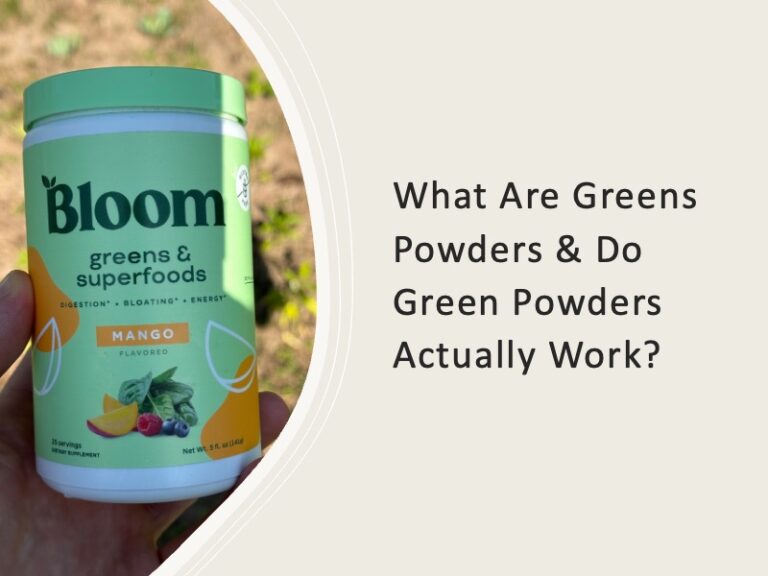
What Are Greens Powders & Do Green Powders Actually Work?
Greens powders have become a common supplement for those looking to improve their health by increasing their intake of fruits and vegetables in a…
-
Reviewing Vitamin D Supplements: Are They Worth Buying?
Vitamin D, often referred to as the “sunshine vitamin,” is crucial for maintaining various aspects of human health. Primarily recognized for its role in…
-
Coffee vs Pre Workout: Is Pre Workout or Coffee Better?
Coffee and pre-workout supplements are excellent drink options before workouts or training sessions if you want an extra energy boost. However, is coffee better…
-
Green Tea Extract for Weight Loss: Analyzing the Pros & Cons
Green tea extract, derived from the leaves of the Camellia sinensis plant, has garnered widespread attention as a popular weight loss supplement. Celebrated for…
-
Collagen Supplements Benefits: Does Collagen Actually Work?
Collagen supplements have surged in popularity, with the global collagen market projected to exceed $6 billion by 2027, highlighting just how many people are…
-
Superfood Supplements Pros & Cons: Are They Worth Buying?
Superfoods are nutrient-dense foods that offer a wide range of health benefits, and superfood supplements are popular for individuals seeking to enhance their overall…
-
Do Collagen and Hyaluronic Acid Supplements Actually Work?
Hyaluronic acid and collagen are vital substances that play critical roles in maintaining skin elasticity, joint lubrication, and overall well-being. However, by the time…
-

Zinc Supplements review: Benefits, Dosage & Best Supplements
Zinc supplements have many benefits, whether addressing a zinc deficiency, boosting health, preventing a cold, or helping you sleep better. Zinc is one of…
-

Best Supplements for Runners | Performance, Recovery & More
As a professional basketball player, I use supplements to improve my recovery, support athletic performance, and boost my overall health. Many of the supplements…
-
Dietary Supplements for Mesothelioma Patients: Do They Help?
For mesothelioma patients, supplements for mesothelioma can help address deficiencies, support the immune system, and improve quality of life. Mesothelioma is a rare and aggressive cancer caused…
-
Rootcha’s Magnesium & Zinc Review: Benefits, Uses & More!
Did you know that nearly half of all adults fall short of the recommended magnesium intake, potentially affecting their sleep, immune function, and muscle…
-
Colostrum vs Collagen: Is Colostrum or Collagen Better?
Colostrum vs collagen: two distinct yet powerful supplements that each offer unique benefits, supporting various aspects of health, wellness, and performance. Through years of…
-
Does Creatine Make You Gain Weight? What You Need to Know
Did you know that creatine is one of the most extensively researched supplements in the fitness industry, with over 500 peer-reviewed studies confirming its…
-
Pros & Cons of Vegan Protein Powders & Plant-Protein Shakes
As a pro basketball player and nutrition educator, I choose vegan protein powders like Garden of Life because they provide a high-quality, plant-based source…
-
Kyani Sunrise Review – How to Take Kyani Sunrise & More!
If you’re thinking about purchasing Kyani Sunrise, this review aims to provide the insights you need to make an informed decision. Kyani Sunrise is…
-
Best Protein Powder at Walmart: By M.s. Nutrition Adam Kemp
Finding the best protein powder at Walmart can feel overwhelming, given the variety of choices available. However, Walmart offers several high-quality and affordable options,…
-
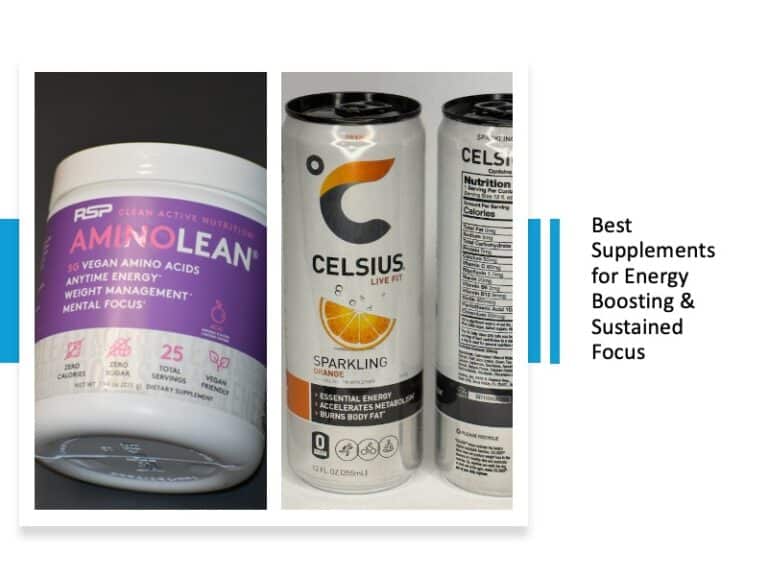
Best Supplements for Energy Boosting & Sustained Focus
Maintaining consistent energy levels is essential for productivity, athletic performance, and overall well-being. However, balancing daily tasks, workouts, and mental focus can drain your…
-
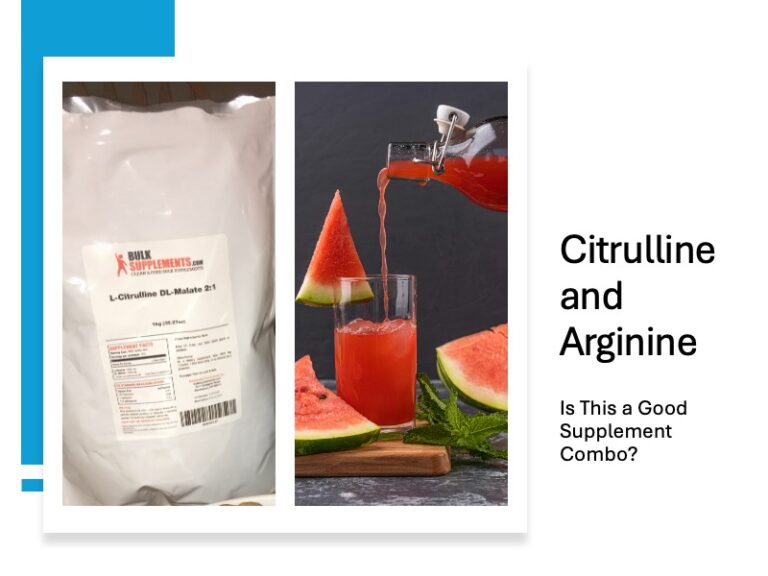
Citrulline and Arginine: Is This a Good Supplement Combo?
Citrulline and arginine are two amino acids that have gained attention for their potential to enhance athletic performance. Both are known to play essential…
-
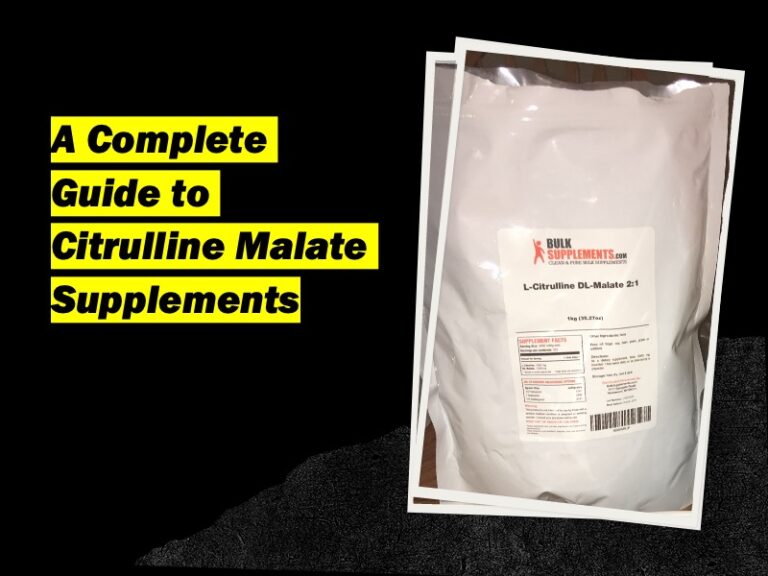
Citrulline Malate: A Complete Guide to its Benefits & More
I first started using citrulline malate supplements in college around 2010 to improve my training and recovery, and now, as a professional basketball player…
-
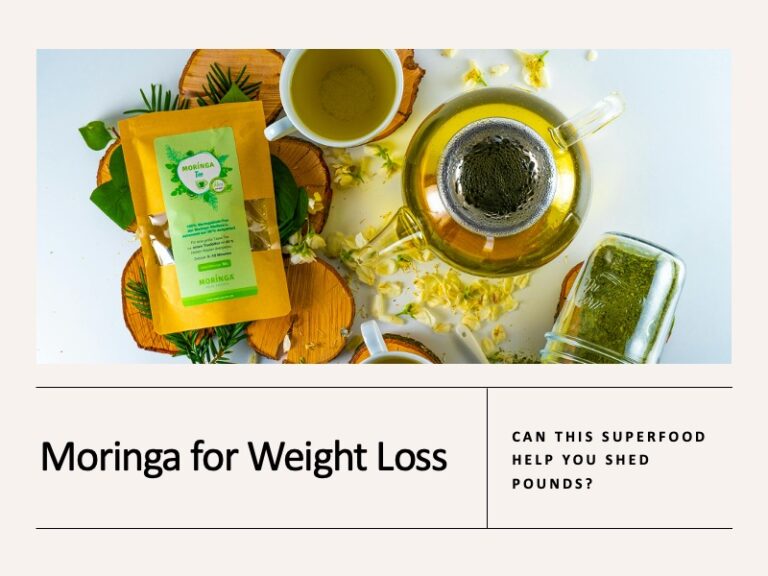
Moringa for Weight Loss: Can Moringa Help You Lose Weight?
You cannot use moringa for weight loss as a standalone solution, but, moringa can help boost metabolism, control cravings, and help you lose weight.…
-
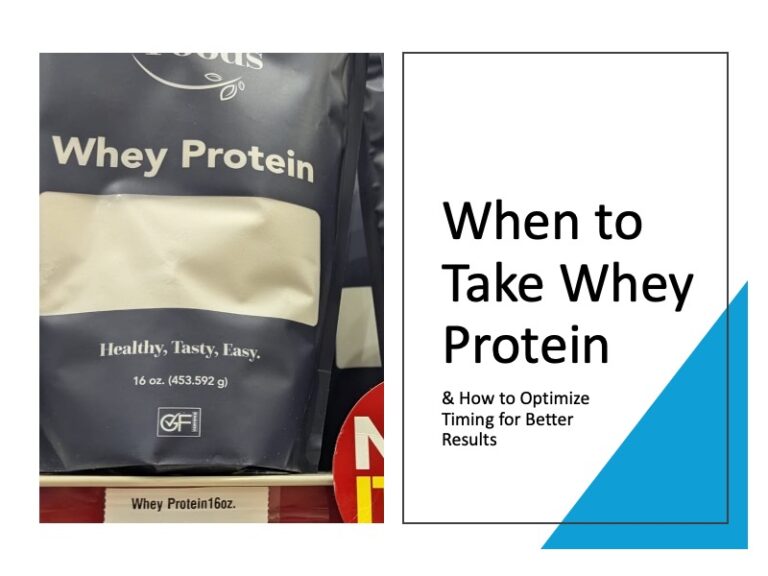
When to Take Whey Protein: Optimal Timing for Better Results
Whey protein has long been a cornerstone of the fitness community, known for its ability to support muscle growth, enhance recovery, and improve overall…
-
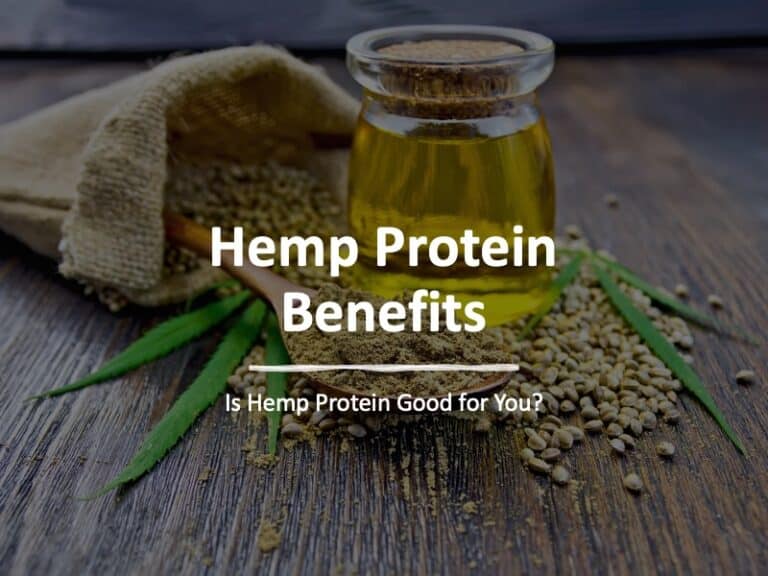
Hemp Protein Benefits: Is Hemp Protein Good for You?
Hemp protein has gained recognition in the health and fitness community as an excellent plant-based protein source. Packed with essential nutrients, it offers a…
-
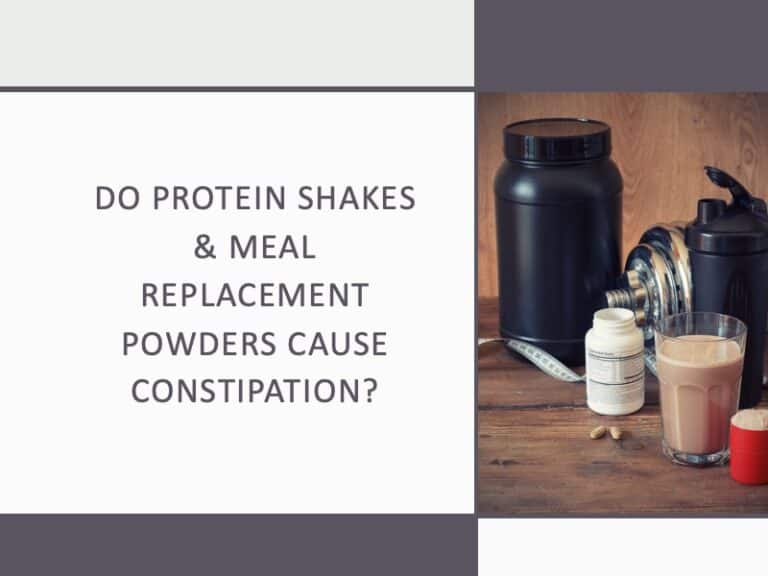
Do Protein Shakes & Meal Replacement Powders Cause Constipation?
Protein shakes and meal replacement powders are a convenient way for athletes and others working on their bodies to meet their nutritional needs. However,…
-
The Top 5 Health Benefits of Sesamin Supplements
Sesamin is a naturally occurring compound found in sesame seeds, and research indicates it may possess potent anti-inflammatory, antioxidant, and lipid-lowering properties, making it…
-

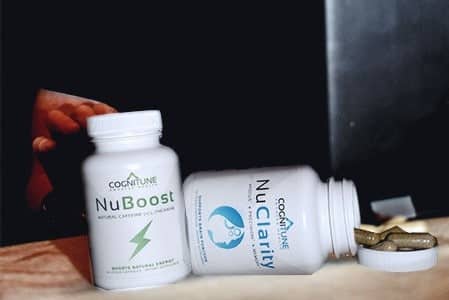
Cognitune NuClarity Review: Is NuClarity a Good Nootropic?
When it comes to boosting focus and productivity without the crash, Cognitune NuClarity is one of the best options. Its carefully selected blend of…
-
Top 5 Best Supplements for Bone Health (2025)
Maintaining strong bones becomes increasingly important as you age, but did you know that bone health is mainly influenced by factors that start early…
-
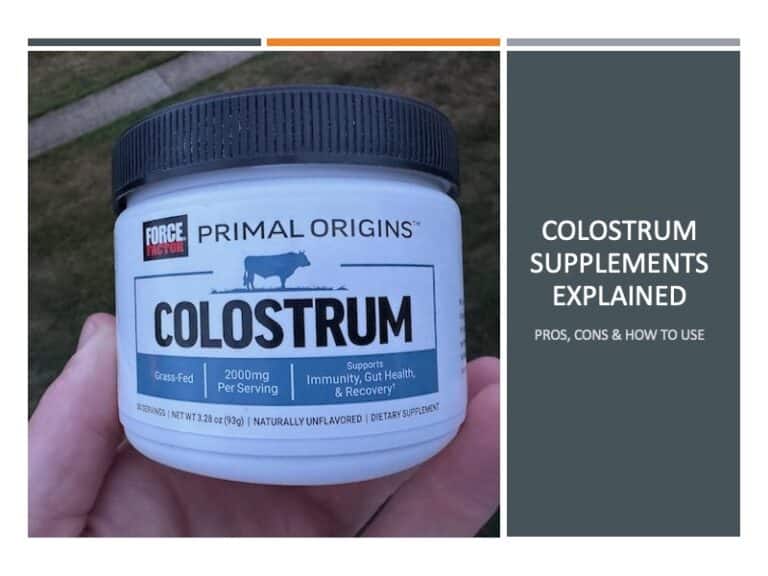
Colostrum Supplements Explained: Pros, Cons & How to Use
Colostrum supplements are derived from the first milk produced by mammals, typically cows, within the first 24-48 hours after giving birth, and it is…
-
Vi Shake Review: Are Visalus Shakes Healthy & Worth Buying?
Visalus Vi shakes are marketed as a healthy nutritional shake mix that tastes great and improves your health. They promise to deliver a blend…