Protein Guide: Intake, Sources, Benefits & Requirements
 Reading Time: 16 minutes
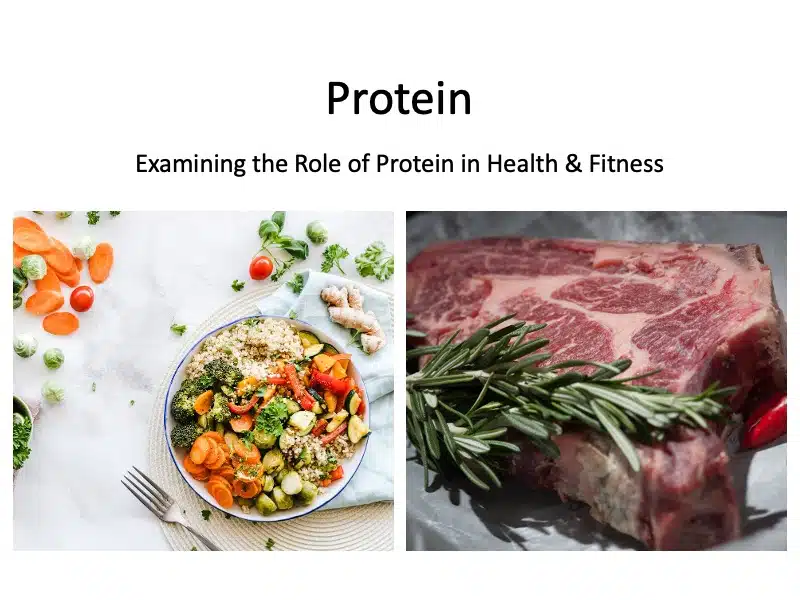
 Protein is an essential macronutrient involved in nearly every part of human health, from maintaining muscle and connective tissue to producing enzymes, hormones, antibodies, and other compounds your body needs to function.
For athletes and active people, protein becomes especially important because training continually increases the need for muscle repair, remodeling, and adaptation.
I have spent more than a decade playing professional basketball, and protein has always been a nutritional foundation that helps me recover from training, maintain muscle mass, and support my performance throughout long seasons.
However, protein nutrition is more complicated than simply eating as much protein as possible.
How much you need also depends on your body size, activity level, age, calorie intake, training goals, and overall health.
Protein quality, food sources, meal distribution, and convenience also matter.
This guide explains the fundamentals of protein while connecting to my more detailed guides on individual protein-related topics.
What Is Protein?
Protein is one of the three primary macronutrients, along with carbohydrates and dietary fat.
Proteins are made from smaller molecules called amino acids, which are linked together in different sequences to form proteins with specific functions throughout the body.
Unlike stored body fat or glycogen, the body does not maintain a large dedicated storage reserve of protein.
Instead, proteins throughout your muscles, organs, blood, enzymes, and other tissues are constantly being broken down and rebuilt.
That ongoing turnover is one reason consuming adequate dietary protein consistently matters.
Why Does Your Body Need Protein?
Protein is most commonly associated with building muscle, but muscle growth is only one of its responsibilities.
Dietary protein provides amino acids needed to build and maintain skeletal muscle, skin, connective tissue, organs, enzymes, hormones, neurotransmitters, and components of the immune system.
Protein also contributes to satiety and generally has a higher thermic effect than carbohydrates or dietary fat, meaning the body expends relatively more energy digesting and processing it.
For athletes, adequate protein helps support the remodeling that occurs after strength training, jumping, sprinting, conditioning, practices, and games.
Training creates the stimulus for adaptation, but adequate nutrition provides the raw materials needed to respond to that stimulus.
Understanding Amino Acids
There are 20 amino acids commonly used to build proteins in the human body.
Nine are considered essential amino acids because the body cannot produce enough of them on its own, meaning they must come from your diet.
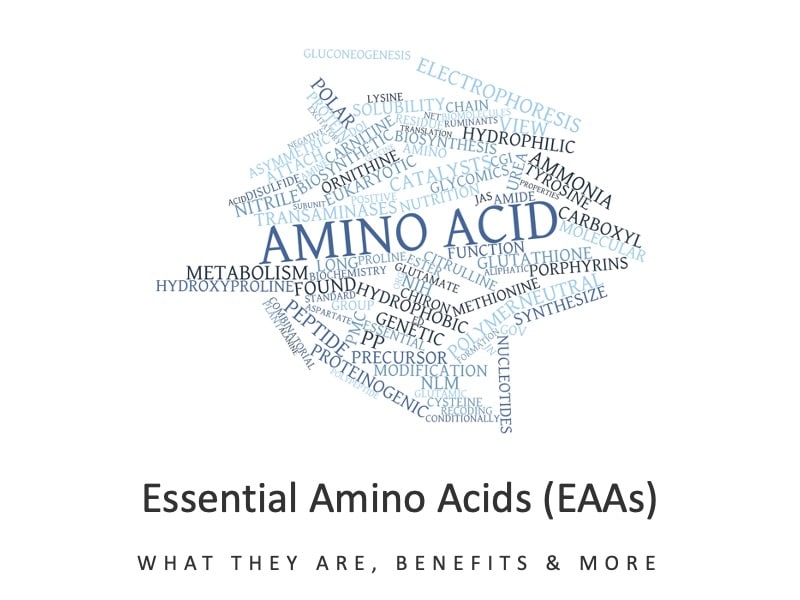
The nine essential amino acids are:
- Histidine
- Isoleucine
- Leucine
- Lysine
- Methionine
- Phenylalanine
- Threonine
- Tryptophan
- Valine
The remaining amino acids are generally classified as nonessential or conditionally essential because the body can normally produce them, although requirements can change during illness, injury, growth, or other physiological stress.
You can learn more in my guide to essential amino acids and my overview of the best amino acid sources.
BCAAs
Branched-chain amino acids, or BCAAs, are leucine, isoleucine, and valine.
Leucine is particularly important because it helps signal muscle protein synthesis, but stimulating that process effectively also requires the other essential amino acids.
That is one reason I generally prefer complete protein sources or EAAs over relying on BCAA supplements alone.
You can read my complete comparison of BCAAs vs. EAAs for a deeper explanation.
How Much Protein Do You Need?
The Recommended Dietary Allowance for healthy adults is approximately 0.8 grams of protein per kilogram of body weight per day.
However, the RDA is designed primarily to cover the basic protein requirements of the general population rather than represent the ideal amount for maximizing athletic performance, muscle growth, or body composition.
People who exercise regularly generally benefit from consuming considerably more protein.
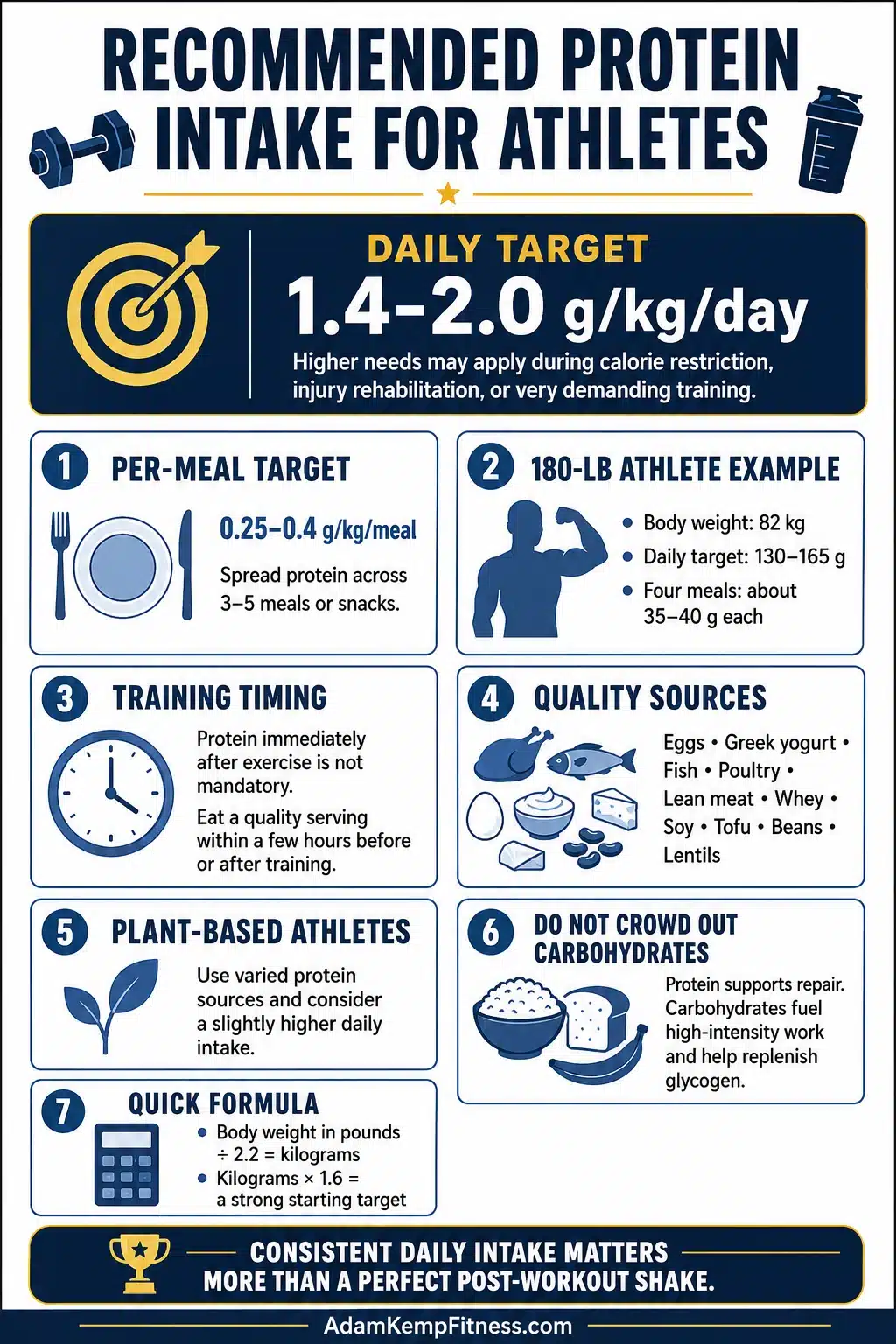
The International Society of Sports Nutrition recommends approximately 1.4–2.0 grams of protein per kilogram of body weight per day for most exercising individuals (Jäger et al., 2017).
For example, someone weighing 80 kilograms, or about 176 pounds, would consume approximately:
- 112 grams per day at 1.4 g/kg
- 128 grams per day at 1.6 g/kg
- 160 grams per day at 2.0 g/kg
Your ideal target within that range depends on your sport, training volume, calorie intake, body composition, age, and goals.
Protein Requirements for Athletes
Athletes generally require more protein than sedentary adults because training increases protein turnover and creates repeated demands for tissue repair and adaptation.
For most athletes, approximately 1.4–2.0 g/kg/day is an appropriate evidence-based range (Jäger et al., 2017).
Resistance-trained athletes, athletes completing high training volumes, and those trying to gain muscle often benefit from staying near the middle or upper portion of that range.
Athletes dieting aggressively or attempting to maintain lean muscle while losing body fat may occasionally benefit from even higher intakes.
Research cited in the ISSN position stand suggests approximately 2.3–3.1 g/kg of fat-free mass per day may help resistance-trained athletes preserve lean tissue during significant calorie restriction (Jäger et al., 2017).
The important point is that protein recommendations should reflect what you are asking your body to do.
A professional athlete training multiple times per day has different nutritional demands than someone exercising recreationally three times per week.
For a deeper breakdown, read my guide to the recommended protein intake for athletes.
Protein Quality
Protein quantity matters, but protein quality can also influence how efficiently your body obtains and uses amino acids.
Protein quality is influenced by factors including:
- Essential amino acid content
- Leucine content
- Digestibility
- Amino acid availability
- Overall food matrix
Many animal proteins naturally contain all nine essential amino acids in favorable proportions and are highly digestible.
Some plant proteins contain lower amounts of one or more essential amino acids or have somewhat lower digestibility.
However, that does not mean plant protein is inherently inadequate.
A varied diet containing sufficient total protein from legumes, soy foods, grains, nuts, seeds, peas, and other sources can provide all essential amino acids.
Recent research comparing plant and animal proteins suggests that differences in acute muscle protein synthesis may exist under certain circumstances, but these differences can be relatively small, particularly when adequate amounts of high-quality plant protein are consumed (Lim et al., 2025).
Animal vs. Plant Protein
Both animal and plant protein sources can contribute to a nutritious diet.
The better question is usually not whether one category is universally superior, but whether your overall diet provides enough protein, essential amino acids, micronutrients, fiber, and other beneficial nutrients.
Animal Protein
Animal proteins generally provide complete essential amino acid profiles and high digestibility.
Common sources include:
- Eggs
- Greek yogurt
- Cottage cheese
- Milk
- Chicken
- Turkey
- Lean beef
- Fish
- Seafood
- Whey protein
- Casein protein
These foods can make meeting higher protein requirements relatively easy.
However, the nutritional package surrounding the protein matters.
Salmon, Greek yogurt, eggs, and heavily processed meats may all contain protein, but they provide very different combinations of fats, sodium, vitamins, minerals, and other compounds.
Plant Protein
High-quality plant-based protein sources include:
- Lentils
- Beans
- Chickpeas
- Soybeans
- Tofu
- Tempeh
- Edamame
- Peas
- Quinoa
- Nuts
- Seeds
- Whole grains
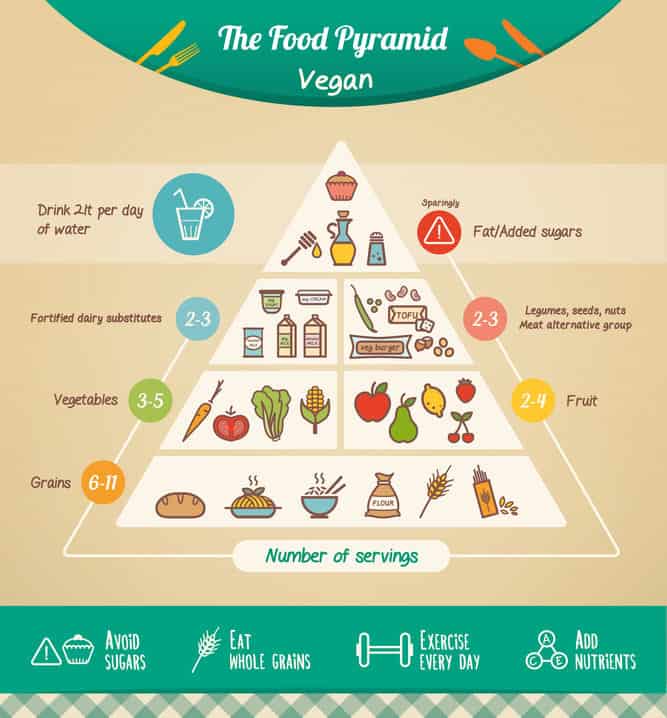
Plant protein foods often provide fiber, phytochemicals, vitamins, minerals, and unsaturated fats alongside protein.
Older nutrition advice frequently emphasized combining incomplete plant proteins such as rice and beans at the same meal.
That is generally unnecessary.
Eating a varied diet containing complementary plant proteins throughout the day is normally sufficient for obtaining the necessary amino acids.
People eating entirely plant-based diets may still benefit from consuming somewhat more total protein and emphasizing higher-quality protein sources such as soy, legumes, pea protein, and complementary protein combinations.
Best Protein Foods
The best protein sources provide meaningful amounts of protein while contributing other useful nutrients to your diet.
Eggs
One large egg contains approximately 6 grams of protein along with choline, selenium, vitamin B12, and other nutrients.
Eggs are also a high-quality complete protein source.
Greek Yogurt
Depending on the brand and serving size, Greek yogurt can provide approximately 15–20 grams of protein per serving.
It also provides calcium and can be an easy way to add protein to breakfast, snacks, smoothies, or post-workout meals.
Cottage Cheese
Cottage cheese provides substantial amounts of casein-rich dairy protein, making it useful as a meal, snack, or evening protein source.
Fish and Seafood
Fish provides high-quality protein, while fatty fish such as salmon also contains omega-3 fatty acids.
Chicken and Turkey
Lean poultry provides substantial amounts of protein with relatively little carbohydrate and can be incorporated easily into many meals.
Lean Beef
Lean beef provides protein along with iron, zinc, vitamin B12, and creatine.
Lentils and Beans
Legumes provide protein alongside fiber, complex carbohydrates, iron, potassium, and various phytonutrients.
A half-cup of cooked lentils contains roughly 9 grams of protein.
Soy Foods
Tofu, tempeh, edamame, and soy milk are particularly useful plant proteins because soy has a strong essential amino acid profile.
Nuts and Seeds
Nuts and seeds provide protein along with healthy fats, minerals, and fiber.
They are nutrient-dense but also calorie-dense, so portions can matter when weight loss is a goal.
Quinoa and Whole Grains
Whole grains contribute smaller but meaningful amounts of protein alongside carbohydrates, fiber, and micronutrients.
Quinoa is especially notable because it contains all nine essential amino acids.
The Role of Protein for Muscle Growth
Resistance training provides the primary stimulus for muscle growth, while dietary protein supplies amino acids needed to build new muscle proteins.
Increasing protein intake can support gains in lean mass when combined with progressive resistance training.
A large meta-analysis found that protein supplementation significantly improved resistance-training-induced changes in muscle size and strength, with benefits tending to level off around total intakes of approximately 1.6 g/kg/day, although some individuals may benefit from higher amounts (Morton et al., 2018).
That does not mean 1.6 g/kg is a rigid ceiling.
Instead, it suggests that once protein intake is already sufficient, adding increasingly larger amounts provides diminishing returns.
Training quality, total calories, sleep, exercise selection, training volume, and recovery remain equally important.
Read my complete guide on how much protein you need to build muscle for more detail.
The Role of Protein for Recovery
Protein supports recovery by providing amino acids needed to repair and remodel tissues stressed during exercise.
Resistance training creates muscle damage and stimulates adaptations that continue for many hours after a workout.
Protein intake around training can support this process, but recovery does not depend on consuming a shake within a tiny post-workout window.
Your total daily protein intake remains the foundation.
For someone who already consumed protein before training, there is generally no need to panic about getting a shake within 20 or 30 minutes after the final repetition.
Instead, consuming an adequate high-quality protein meal within a reasonable period surrounding training is a practical strategy.
Protein also works alongside carbohydrates, fluids, electrolytes, sleep, and sufficient calorie intake as part of a complete post-workout recovery plan.
The Role of Protein for Weight Loss
Higher-protein diets can be particularly useful during weight loss.
Protein tends to be more satiating than carbohydrate or fat and has a relatively high thermic effect, which can make maintaining a calorie deficit easier.
More importantly for athletes, consuming sufficient protein during a calorie deficit can help preserve lean muscle mass.
This matters because the goal of most successful weight-loss programs should not simply be reducing scale weight.
Ideally, you want to lose primarily body fat while maintaining as much muscle and performance capacity as possible.
Protein cannot override calorie balance, however.
Eating excess calories from protein can still contribute to weight gain.
The advantage of protein is that it can make a well-designed calorie deficit more sustainable while helping protect lean tissue.
Protein Timing
Protein timing matters, but it is often exaggerated.
For most people, getting enough protein across the entire day is more important than obsessing over an exact post-workout window.
A useful strategy is to distribute protein across several meals instead of consuming very little during most of the day and an enormous amount at dinner.
For many adults, approximately 20–40 grams of high-quality protein per meal is a reasonable practical target, although larger athletes may need more.
The ISSN has suggested approximately 0.25 g/kg of high-quality protein per meal, or roughly 20–40 grams for many people, while acknowledging that age and body size influence requirements (Jäger et al., 2017).
As a 6’10” professional basketball player, for example, my practical protein servings naturally need to be larger than those of a much smaller athlete.
That is why body weight and total daily intake matter when interpreting generalized recommendations.
A practical eating pattern could include protein at:
- Breakfast
- Lunch
- Around training
- Dinner
- An evening meal or snack when necessary
You do not need to eat protein every two hours.
Consistency across the day is more useful than chasing a perfect schedule.
Protein Powders
Protein powder supplements can be useful when meeting your protein needs through food becomes inconvenient.
They are not inherently superior to whole-food protein sources.
Their main advantage is convenience.
A protein shake can provide 20–30 grams of protein in a few minutes without requiring cooking, making it especially practical after training, while traveling, during long workdays, or when appetite is limited.
Whey Protein
Whey protein is rapidly digested, rich in essential amino acids, and naturally high in leucine.
For these reasons, it remains one of the most researched and practical protein supplements for supporting muscle growth and recovery.
Casein Protein
Casein digests more slowly than whey and provides a prolonged release of amino acids.
It can be useful before bed or when you expect a long period between meals, although it is not necessary if you already consume enough protein from your normal diet.
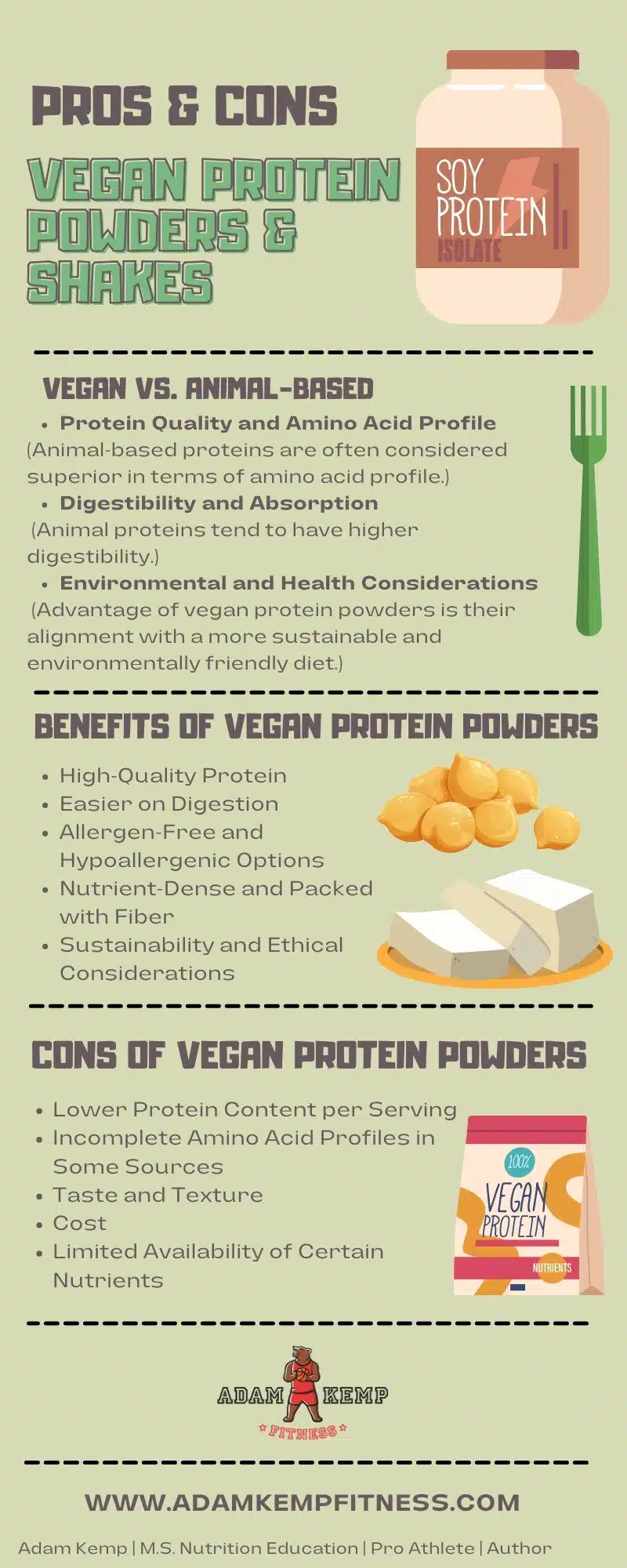
Plant-Based Protein Powder
Plant-based protein powders made from pea, soy, rice, hemp, or blended plant sources can provide excellent alternatives to dairy protein.
Blended formulas can improve the essential amino acid profile compared with relying on a single lower-quality plant protein.
Collagen Protein
Collagen is protein, but it should not be considered interchangeable with whey, casein, soy, or other complete proteins for muscle building.
Collagen contains high amounts of glycine, proline, and hydroxyproline but is relatively low in essential amino acids and lacks tryptophan.
It may have applications for connective tissue, joints, tendons, skin, and related tissues, but I would not count collagen as my primary muscle-building protein source.
Protein Powder vs. Amino Acid Supplements
Protein powders provide complete proteins containing all of the essential amino acids necessary for muscle protein synthesis.
EAAs provide the nine essential amino acids without the other components of intact dietary protein.
BCAAs provide only leucine, isoleucine, and valine.
For most people who already consume adequate high-quality dietary protein, BCAA supplementation provides limited additional value.
EAAs may have more specific applications during training, low-calorie periods, limited appetite, or situations where consuming a complete protein source is impractical.
However, a high-quality protein powder is generally a more complete option for increasing total daily protein intake.
How to Choose a Protein Powder
When choosing protein powder, I prioritize the actual protein source and ingredient list rather than relying on marketing claims.
A good product should generally provide around 20–30 grams of protein per serving while keeping unnecessary ingredients relatively limited.
Depending on your needs, useful options include:
- Whey protein concentrate
- Whey protein isolate
- Casein
- Soy protein
- Pea protein
- Pea/rice protein blends
- Other well-formulated plant protein blends
People with lactose intolerance may tolerate whey isolate better than whey concentrate because isolates generally contain less lactose.
People avoiding dairy can use soy, pea, or blended plant proteins.
You can see my current recommendations in my guide to the best protein powder supplements.
Common Protein Myths
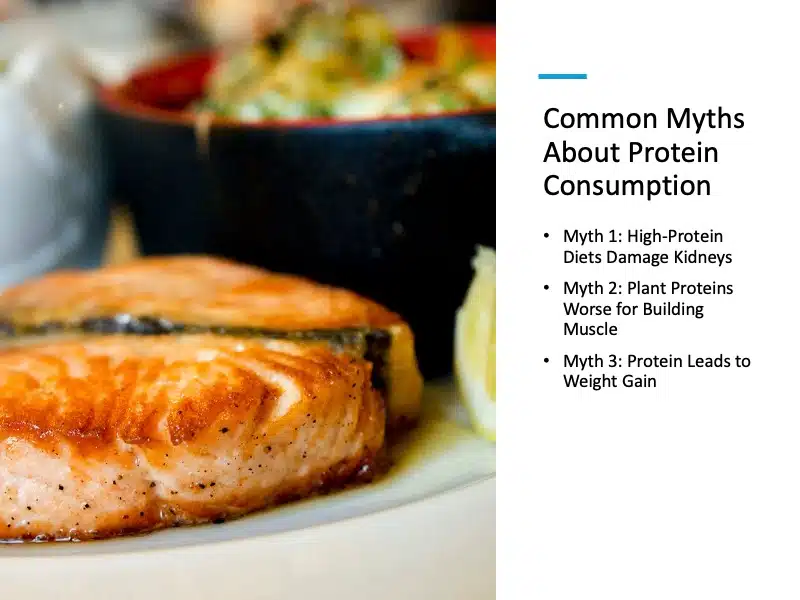
Protein is one of the most researched nutrients in sports nutrition, but several misconceptions remain common.
Myth: High-Protein Diets Automatically Damage Your Kidneys
Higher-protein diets have not been shown to damage kidney function in healthy people simply because protein intake exceeds the RDA.
However, people with existing kidney disease or impaired kidney function may require individualized protein recommendations and should discuss major dietary changes with their healthcare team.
Myth: You Must Drink Protein Immediately After Training
There is no 20- or 30-minute anabolic window that determines whether your workout was successful.
Protein surrounding exercise can be useful, but total daily intake and overall protein distribution matter more.
Myth: Your Body Can Only Absorb 20–30 Grams of Protein at Once
Your body can digest and absorb substantially more protein than 20–30 grams in a meal.
The confusion comes from research examining the amount of protein required to maximally stimulate muscle protein synthesis at a particular time.
Protein consumed beyond that amount is not simply wasted.
Amino acids can be used for other tissues, enzymes, hormones, oxidation, or other physiological functions.
Myth: Plant Proteins Must Always Be Combined at the Same Meal
You do not have to eat rice and beans at exactly the same time to create a “complete” protein.
A varied diet containing adequate total protein throughout the day can supply the full range of essential amino acids.
Myth: More Protein Always Builds More Muscle
Protein supports muscle growth, but additional protein cannot compensate for inadequate training.
Once protein intake is sufficient, progressively increasing resistance training, eating enough total calories, sleeping adequately, and recovering properly become more important than simply adding another protein shake.
Myth: Protein Powder Is Necessary
Protein powder is convenient, not mandatory.
You can meet your protein requirements entirely through foods such as meat, fish, eggs, dairy, soy foods, legumes, nuts, seeds, and grains.
Practical Tips for Eating More Protein
If you struggle to consistently reach your protein target, start by adding a meaningful protein source to each major meal.
For example:
- Breakfast: Eggs, Greek yogurt, cottage cheese, or a protein smoothie.
- Lunch: Chicken, turkey, fish, tofu, beans, or lentils.
- Snack: Greek yogurt, cottage cheese, protein shake, nuts, or edamame.
- Dinner: Fish, lean meat, tofu, tempeh, lentils, or beans.
Instead of attempting to dramatically change your diet overnight, gradually increasing protein at meals where your intake is currently low can make your target much easier to reach.
Protein FAQs
Final Thoughts on Protein
Protein is one of the most important nutritional components for maintaining muscle, supporting recovery, managing appetite, and adapting to exercise.
However, the goal should not be to consume as much protein as possible.
For most active people, the better strategy is to consume an appropriate amount for your body size and training demands, distribute it reasonably throughout the day, and obtain it from a mixture of nutrient-dense foods that fit your lifestyle.
Athletes should generally start around 1.4–2.0 grams per kilogram per day, while adjusting intake according to training volume, calorie intake, body composition goals, and individual needs (Jäger et al., 2017).
Protein powder and amino acid supplements can make that target easier to reach, but they remain supplements to a well-designed diet rather than substitutes for one.
All Protein-Related Articles
-

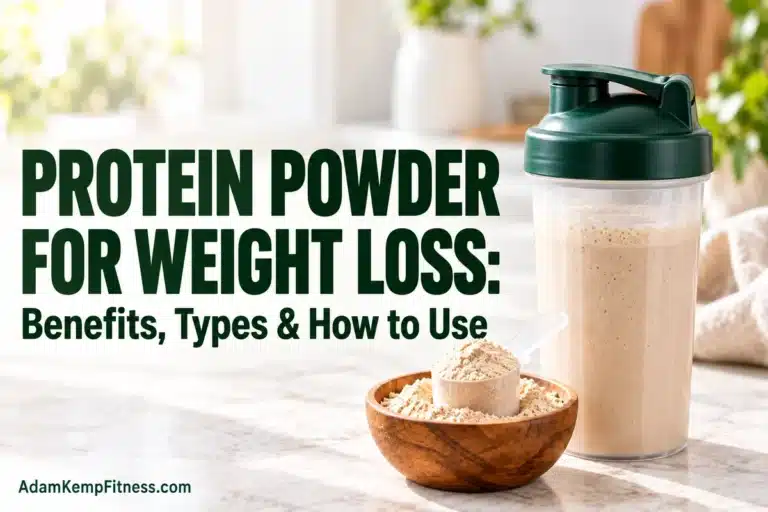
Protein Powder for Weight Loss: Benefits, Types & How to Use
Using protein powder for weight loss is a simple, effective idea because it can conveniently meet your protein needs while supporting a satisfying, sustainable…
-

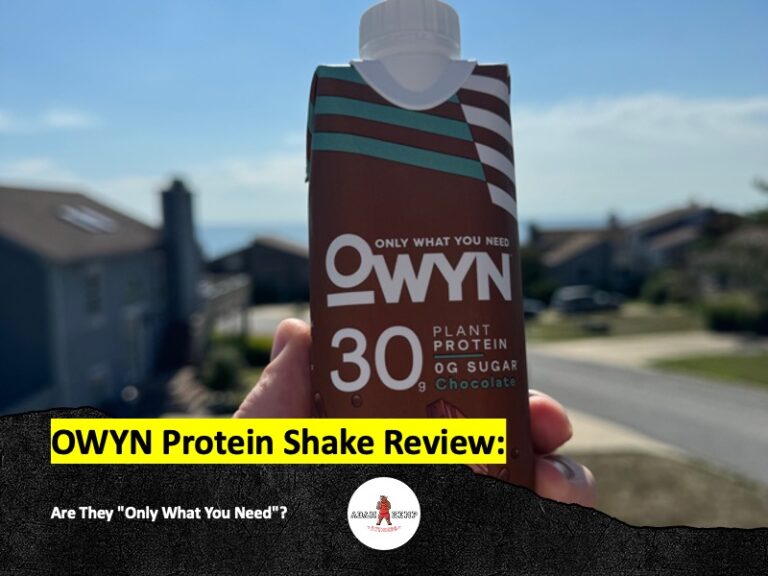
OWYN Protein Shakes Review: Are OWYN Shakes Good for You?
This OWYN protein shake review started with a recommendation from my mom, who discovered these shakes at a wholesale store. After trying OWYN protein shakes myself,…
-
Purely Inspired Collagen Peptides Review (2026)
While browsing the supplement aisle at Walmart, I stumbled upon Purely Inspired Collagen Peptides Protein Powder. As someone who’s used Vital Proteins Collagen Peptides as their main…
-
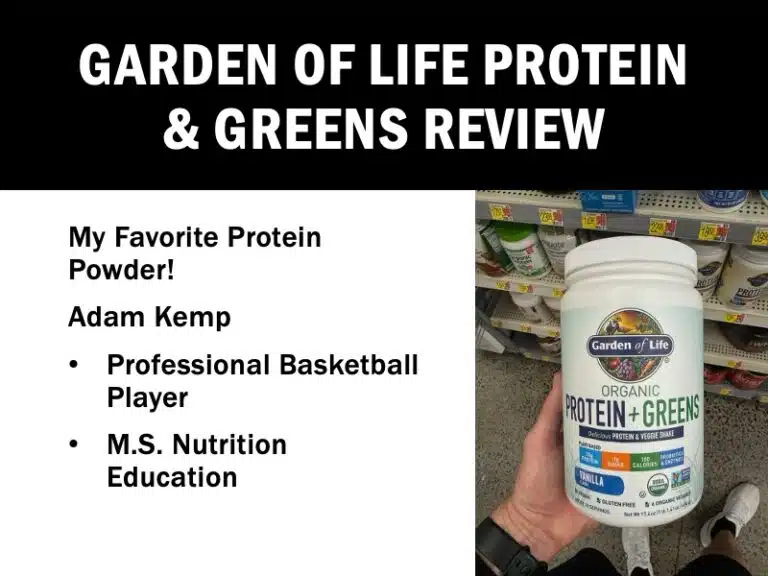
Garden of Life Protein and Greens Review: Is it Worth Buying?
As a professional basketball player with a master’s degree in Nutrition Education, I have tested many protein powders throughout my career, but Garden of…
-
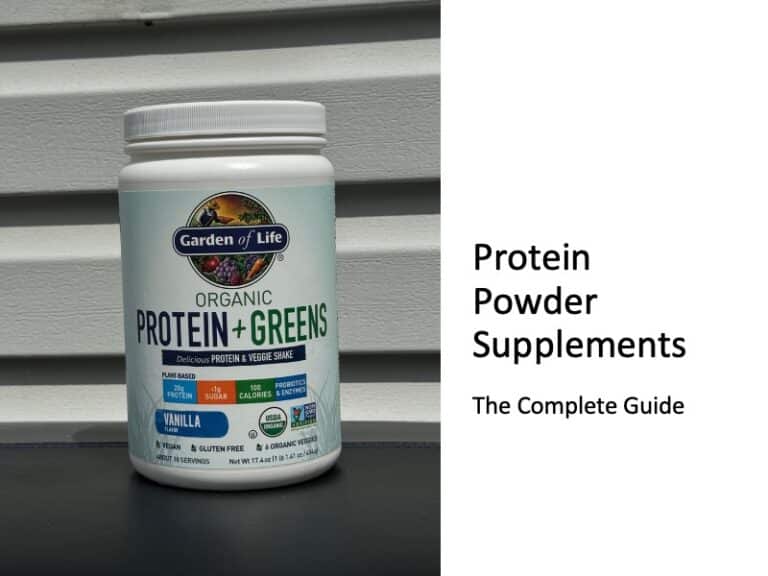
Protein Powder Supplements: Benefits, Uses, Best Choices
Over the years, I’ve used various protein powder supplements and found them among the most practical and effective tools for meeting my protein needs,…
-
Whey Isolate vs Concentrate: Which is Better for Your Goals?
Whey isolate vs concentrate comes down to protein purity, digestion, budget, and goals. Learn which powder better supports muscle, recovery, and health.
-
Recommended Protein Intake for Athletes for Optimal Results
Protein intake for athletes supports muscle repair, strength gains, appetite control, and recovery. Learn daily targets, timing, and foods for big results.
-
Creatine vs Protein Powder: Which One Should You Choose?
Creatine vs protein powder: compare muscle-building benefits, timing, safety, and the best choice for your training, recovery, and nutrition goals today.
-
How to Choose a Protein Powder: Based on Your Goals
Learn how to choose protein powder based on your goals, diet, digestion, ingredients, and budget so every scoop supports training and recovery daily use.
-
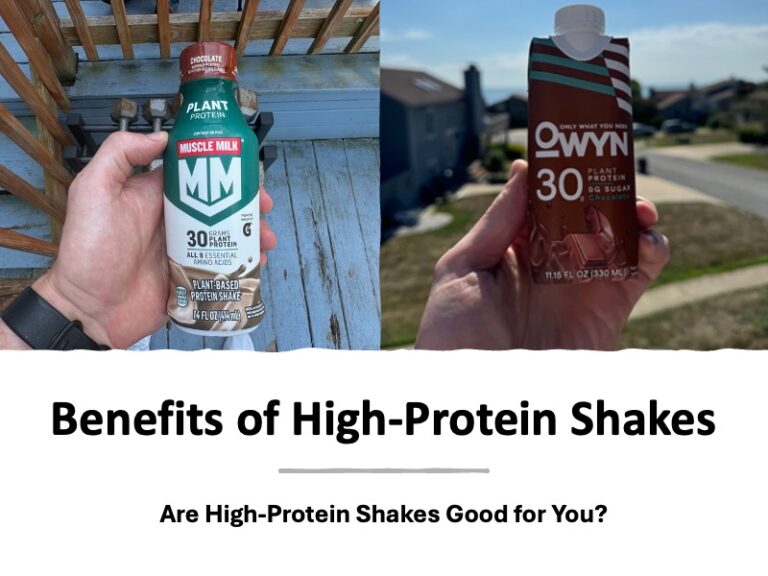
Benefits of High-Protein Shakes: Are They Good for You?
The benefits of high-protein shakes extend far beyond muscle building, as they offer a convenient and effective way to support recovery, improve satiety, and increase overall…
-
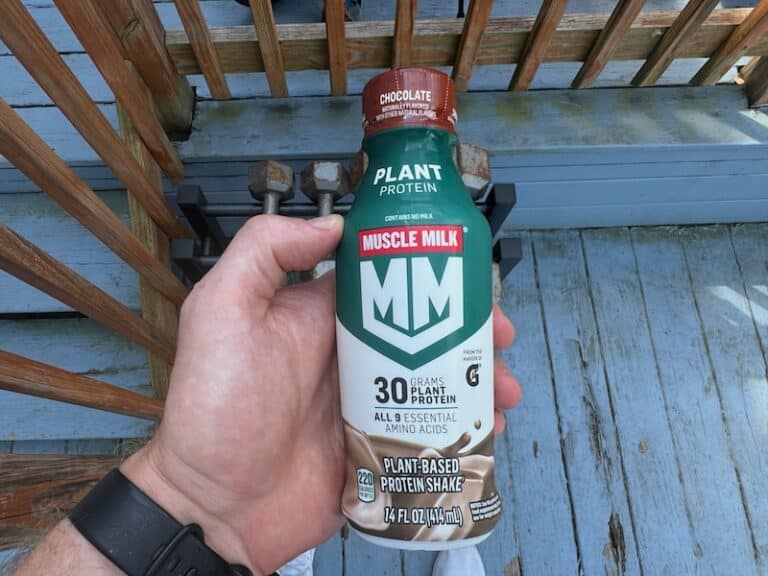
Muscle Milk Plant Protein Shake Review: Is It Worth Buying?
When I came across Muscle Milk Plant Protein on a recent trip to Walmart, I was intrigued by its promise of a clean, plant-based…
-
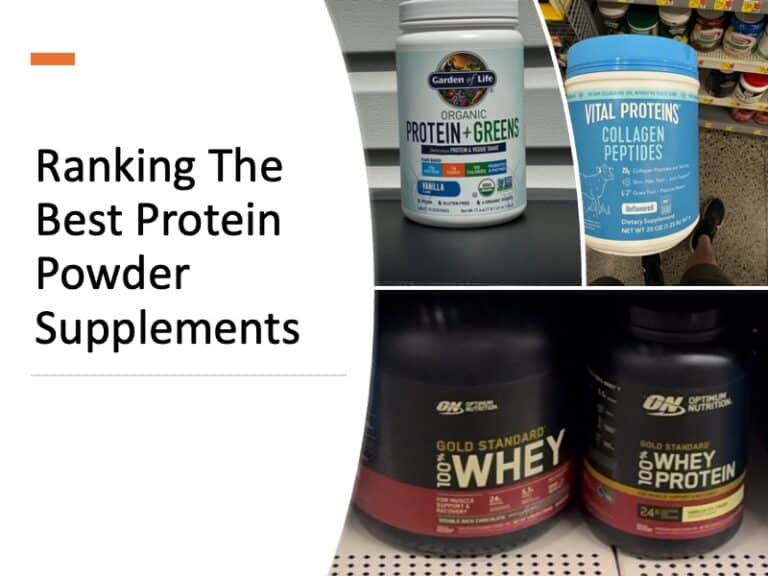
Ranking The Best Protein Powder Supplements (2026)
Protein powder supplements have become a daily staple for athletes, fitness lovers, and health-conscious individuals striving to meet their protein needs efficiently. Whether you’re…
-
Vital Proteins Collagen Peptides Review: Is it Good for You?
Known for its high-quality, sustainably sourced ingredients and proven bioavailability, Vital Proteins Collagen Peptides has earned its reputation as one of the best collagen…
-
Are Protein Shakes Good for Kids? From Evidence & Experience
Protein plays a fundamental role in childhood development, supporting muscle growth, immune function, and overall well-being. While whole foods should remain the primary source…
-

Whey vs Plant Protein: Is Plant or Whey Protein Better?
While whey protein has long been the go-to choice for protein powder supplements, plant-based protein powders have gained popularity in recent years as a…
-
Benefits of Whey Protein: Why is Whey Protein Good for You?
Whey protein is one of the most popular and scientifically backed protein supplements, known for its high-quality amino acid profile and rapid absorption, making it an excellent choice…
-
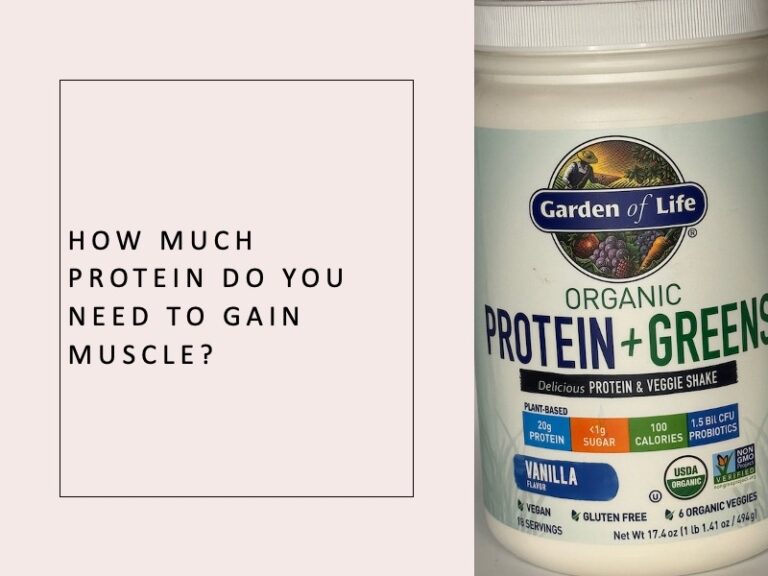
How Much Protein Do You Need to Gain Muscle?
Protein is the cornerstone of muscle growth, making it essential for athletes, bodybuilders, and anyone striving to improve their physique. Studies have consistently shown…
-
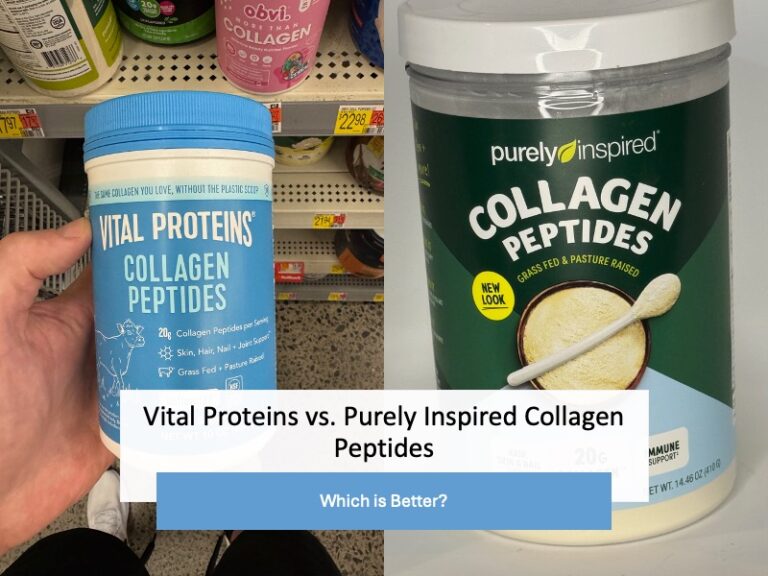
Vital Proteins vs. Purely Inspired Collagen Peptides
Collagen is the most abundant protein in the human body, providing structural support for skin, joints, hair, and nails. Research shows that supplementing with…
-
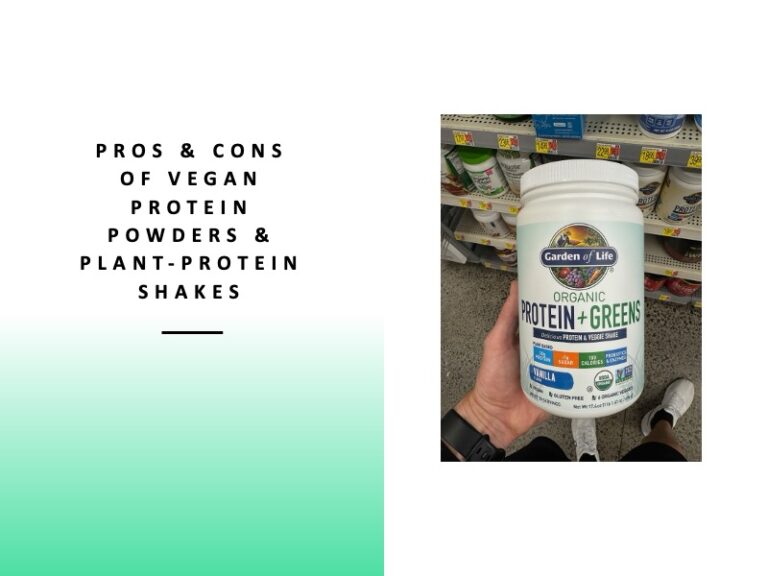
Pros & Cons of Vegan Protein Powders & Plant-Protein Shakes
As a pro basketball player and nutrition educator, I choose vegan protein powders like Garden of Life because they provide a high-quality, plant-based source…
-
Best Protein Powder at Walmart: By M.s. Nutrition Adam Kemp
Finding the best protein powder at Walmart can feel overwhelming, given the variety of choices available. However, Walmart offers several high-quality and affordable options,…
-
Protein Snacks Review: Are Protein Snacks Good for You?
Protein snacks have exploded in popularity as people seek convenient ways to meet their daily protein needs. From bars and shakes to nuts and…
-
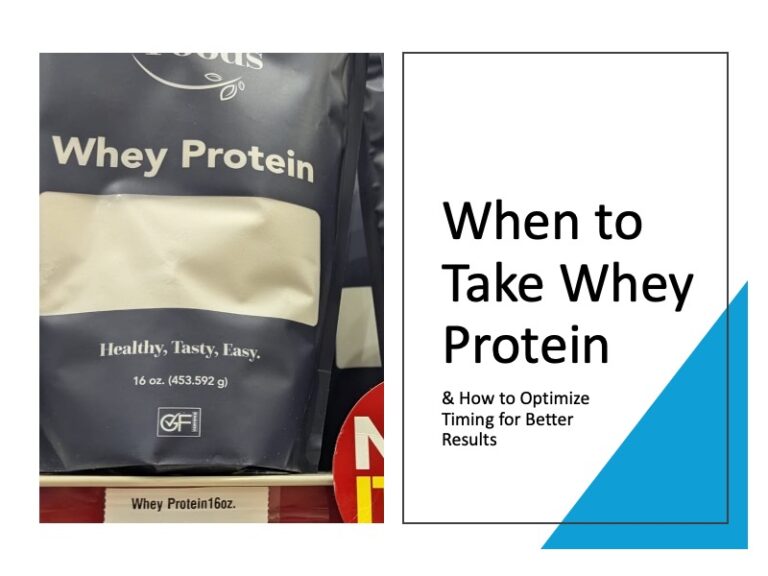
When to Take Whey Protein: Optimal Timing for Better Results
Whey protein has long been a cornerstone of the fitness community, known for its ability to support muscle growth, enhance recovery, and improve overall…
-
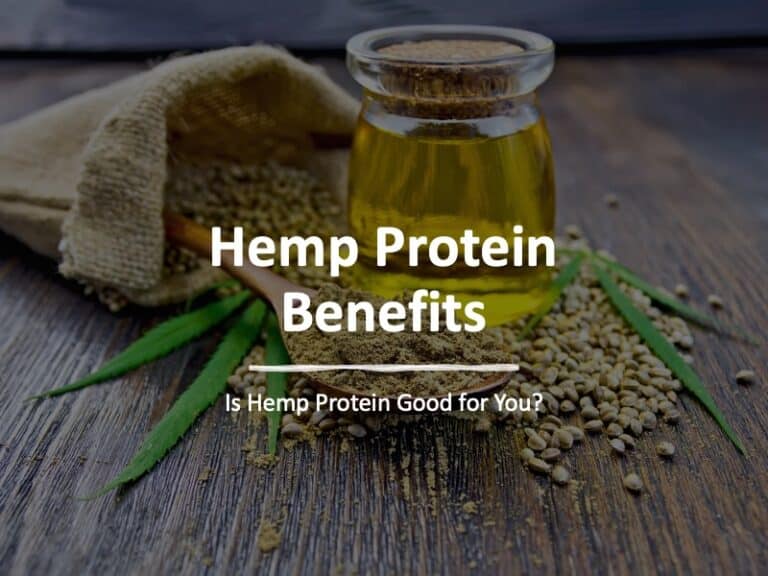
Hemp Protein Benefits: Is Hemp Protein Good for You?
Hemp protein has gained recognition in the health and fitness community as an excellent plant-based protein source. Packed with essential nutrients, it offers a…
-
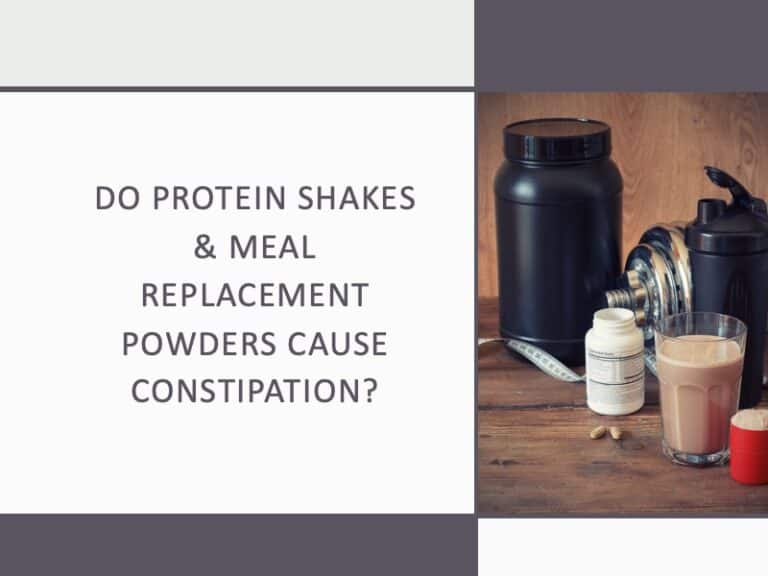
Do Protein Shakes & Meal Replacement Powders Cause Constipation?
Protein shakes and meal replacement powders are a convenient way for athletes and others working on their bodies to meet their nutritional needs. However,…
-
Vi Shake Review: Are Visalus Shakes Healthy & Worth Buying?
Visalus Vi shakes are marketed as a healthy nutritional shake mix that tastes great and improves your health. They promise to deliver a blend…
-

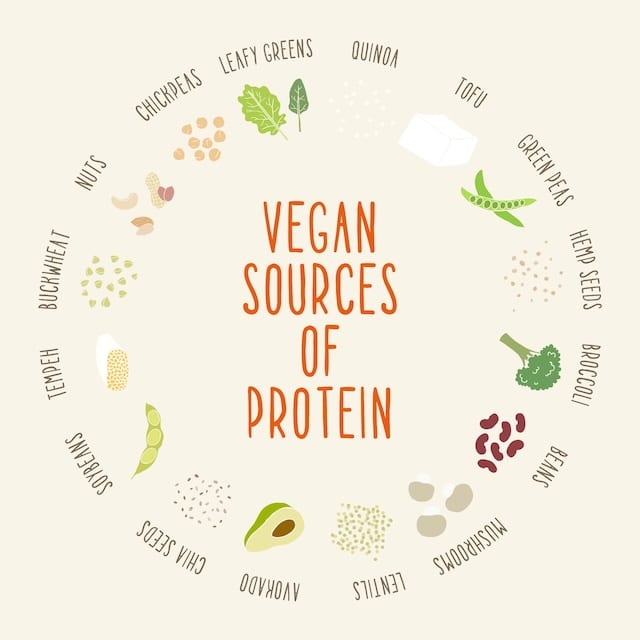
Best Vegan Protein Sources: Which Plant Proteins Are Best?
As a professional athlete and nutrition educator, I regularly choose vegan protein sources like beans, lentils, chickpeas, nuts, and seeds. I have been using…
-

Ranking the Best Amino Acid Sources (Food & Supplements)
Amino acids are the foundation of life, functioning as the building blocks of proteins that fuel nearly every process within the human body. From…






This website does not provide medical advice. This website site does contain affiliate links, and purchases may earn a commission.
Read my Medical Disclaimer, Review Disclaimer, and Publishing Policies for more details. Use of this site indicates acceptance of these terms.
Check Out Some of My YouTube Videos Below, and Please Follow on YouTube for More Educational Health and Fitness Content!
![Subscribe to @AdamKempFitness for more training, general health, recovery, and nutrition tips from a professional basketball player with a master’s degree in Nutrition Education! 🏀💪
Seated Max Vertical Jumps From a Box are one way I train explosive takeoff power with maximum intent on every rep.
Starting seated, with a pause and minimal rocking or dipping, reduces the contribution of a quick countermovement and emphasizes producing force from a relatively static position (National Strength and Conditioning Association [NSCA], 2020).
For athletes, the training goal is explosive lower-body force production and coordinated extension through the hips, knees, and ankles. I use this variation to practice driving hard into the floor and accelerating my body upward.
My preferred setup: 3 sets of 3 reps or 4 sets of 2 reps, supersetted with a strength or power exercise.
I keep the reps low, reset between jumps, and take longer rest periods so I’m ready to attack every takeoff. Even when pairing exercises, I give myself enough recovery to keep the jumps sharp.
Every rep has one goal: jump as high as possible. I focus on an explosive takeoff, a controlled landing, and consistent quality throughout the session.
Save this for your next power workout! 🚀
Reference: NSCA. (2020). Stretch-shortening cycle.
#VerticalJump #JumpTraining #ExplosivePower #AthleticPerformance #BasketballTraining](https://www.adamkempfitness.com/wp-content/plugins/feeds-for-youtube/img/placeholder.png)