
How to Unwind After a Long Day and Relax in a Healthy Way
You know that feeling when the day finally ends, but your brain does not get the memo. Your…
Stress management begins by understanding what is placing demands on you and identifying practical ways to respond. This collection brings together my guides to everyday stress, movement, relaxation, and daily routines, with an emphasis on choosing habits that fit your actual life.
Professional basketball, international travel, and family responsibilities have all shaped my interest in this topic. Alongside my background in psychology and Nutrition Education, these experiences influence how I write about handling pressure without expecting life to become perfectly predictable.
Stress is a natural response to challenging situations, but persistent stress can affect sleep, concentration, appetite, and overall well-being (World Health Organization [WHO], 2026). Learning to recognize your own patterns provides a useful starting point for deciding what deserves attention.
Begin with my guide to acute versus chronic stress if you want to understand the difference between a temporary challenge and ongoing pressure. For a closer look at persistent stress, explore my chronic stress guide.
I suggest using these resources to describe your experience more clearly rather than trying to diagnose yourself. Consider when you feel most overwhelmed, what has changed recently, and whether there are particular responsibilities or situations you need help addressing.
For practical next steps, my guide to healthy ways to deal with stress offers a place to begin. Choose one approach that feels realistic this week instead of turning stress management into another demanding project.
Daily routines are another useful area to explore. WHO recommends maintaining regular routines, protecting sleep, staying connected with others, and making time for physical activity as part of coping with stress (WHO, 2026).
My preference is to make those ideas specific: identify when you will take a break, whom you can talk to, or which evening responsibility you can simplify. A small commitment written into your day is easier to evaluate than a vague promise to relax more. I also believe you will be surprised at the benefits of prayer for stress management.
If you want to explore movement, read my guide to exercise for anxiety. It explores the relationship between exercise and anxiety and helps you think beyond the assumption that every workout needs to be intense.
For a more focused relaxation practice, explore progressive muscle relaxation. Read through the instructions first and decide whether this structured approach appeals to you before adding it to your routine.
If evenings are your main challenge, start with my suggestions for how to unwind after a long day. Use that guide to plan a transition from responsibilities into personal or family time.
Self-help has limits, and difficulty coping is a reason to seek support from a trusted healthcare professional or someone in your community (WHO, 2026). You do not need to exhaust every technique before asking for help.
Browse the articles below according to your immediate need: understanding stress, choosing daily habits, exploring movement, or practicing relaxation. My goal is to help you find a useful next step without overwhelming you with changes to make all at once!
You know that feeling when the day finally ends, but your brain does not get the memo. Your…
Finding healthy ways to deal with stress is essential for maintaining both your physical and mental well-being. Chronic stress can…
Millions of people are searching for effective ways to manage their mental health, and one of the most…

Using weighted blankets for anxiety has become increasingly popular in recent years as people search for natural remedies…
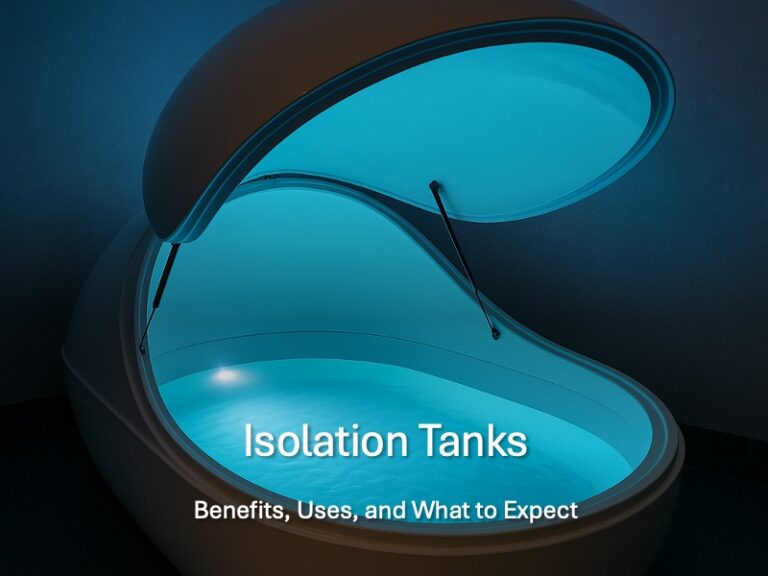
Isolation tanks, also called sensory deprivation tanks or float tanks, have become increasingly popular in wellness, sports recovery,…
Stress is one of the most common challenges in modern life, but using natural remedies for stress can…
Learning how to manage work stress during pregnancy is essential for protecting both maternal health and fetal development….
Embracing impermanence is one of the most powerful shifts you can make in your perspective on life. Everything…
Learning how to stress less is essential for maintaining mental clarity, emotional balance, and long-term physical health. Stress can interfere…
Kratom and anxiety have become increasingly linked in online wellness communities, as many people seek natural alternatives to manage…
Meditation is more than just a trend or wellness hack, it’s a powerful tool for improving mental focus,…
Stress is a universal part of life, but when it becomes constant and unrelenting, it can quietly erode…

Learning to relax and learning to not worry are essential skills for navigating the demands of modern life…
Progressive muscle relaxation (PMR) is a relaxation technique that can help reduce stress and improve sleep quality (Khir et…

Prayer is a powerful practice that transcends personal requests, serving as a way to connect with God, find…
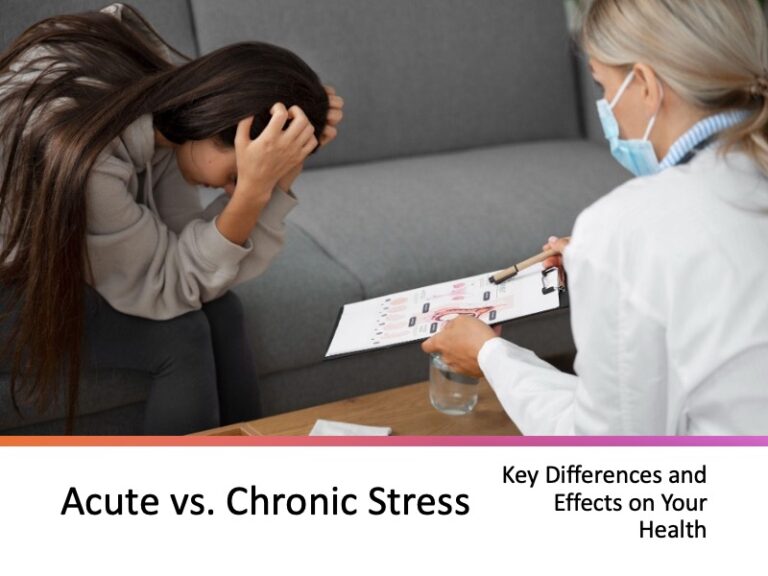
Stress is an unavoidable part of life, but not all stress is the same. Some stress can be…
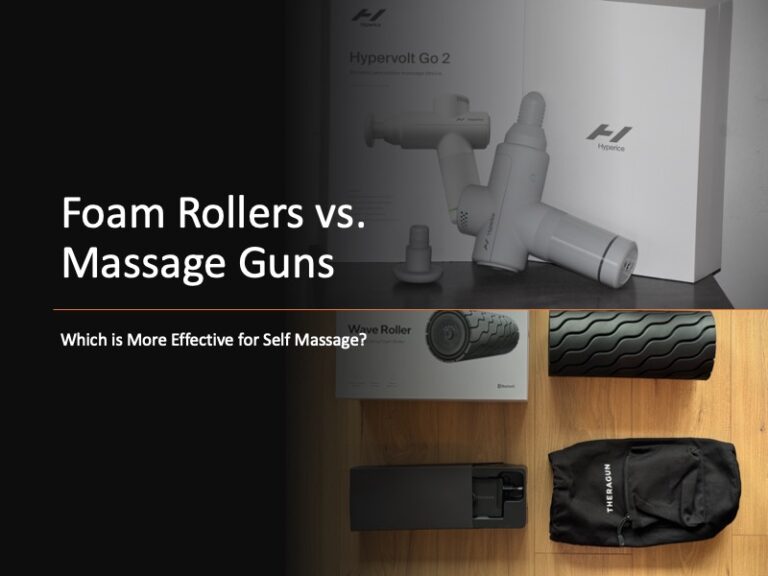
As someone who has played professional basketball for over a decade, recovery has always been a top priority….
End of content
End of content
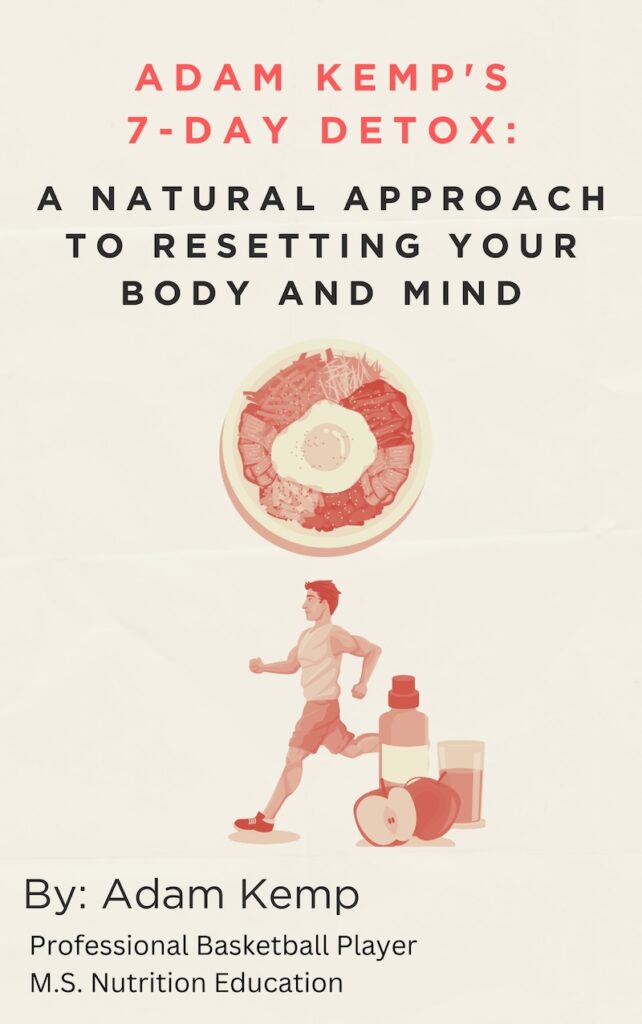
Reset in 7 Days!
Subscribe to my email list and get my FREE, 60-page 7-Day Detox Plan eBook that will help you boost energy, improve gut health, and build sustainable habits that will keep you healthier!
No fluff. Just practical strategies that actually work!
Reset in 7 Days!
Subscribe to my email list and get my FREE, 60-page 7-Day Detox Plan eBook that will help you boost energy, improve gut health, and build sustainable habits that will keep you healthier!
No fluff. Just practical strategies that actually work!