How to Choose a Protein Powder: Based on Your Goals
 Reading Time: 12 minutes
 Learning how to choose a protein powder is less about finding the most popular brand and more about identifying the product that best fits your goals, diet, digestion, and budget.
Protein powder can make it easier to meet your daily protein needs when demanding workouts, travel, appetite, or a busy schedule make whole-food meals less convenient.
Additionally, protein powder supplements are a foundational component of many sports nutrition programs because they provide a convenient, evidence-based way to support protein intake, athletic recovery, performance, and body-composition goals.
However, if you already consume enough high-quality protein through foods such as eggs, Greek yogurt, fish, poultry, lean meat, legumes, tofu, or dairy, adding a high-protein shake may provide less additional benefit.
As a professional basketball player, I have relied on protein powder supplements after practices, late-night workouts, road games, and international flights when a balanced meal was not immediately available.
Along the way, I have learned that the best protein powder is certainly not the most expensive one, but the one you can digest comfortably, trust, afford, and use consistently.
Although I primarily use vegan protein powder, whey concentrate, whey isolate, casein, soy, pea, and blended plant proteins can all serve different purposes.
You can check out my whey protein concentrate vs isolate comparison article for a deeper comparison of the two most common types of whey protein supplements.
Looking beyond front-label promises and evaluating the protein source, amino acid profile, calories, ingredients, third-party testing, and cost per serving will help you choose the right protein powder rather than buying an expensive tub that goes unused.
Key Point: Understanding your daily protein needs and the specific nutritional gap you want a supplement to fill is the foundation of learning how to choose a protein powder.
Why Do You Need a Protein Powder Supplement?
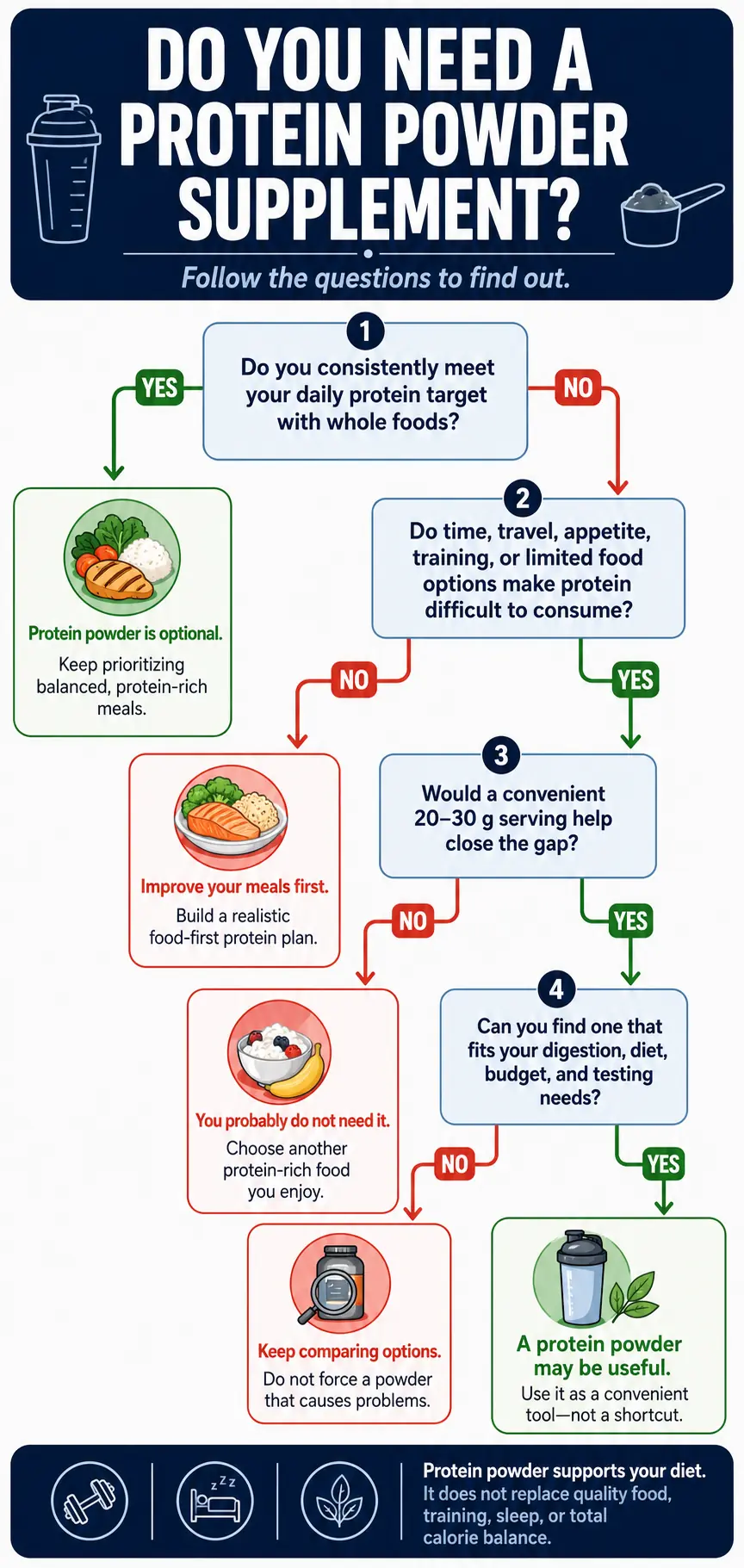
You do not necessarily need a protein powder supplement.
Whole foods should provide most of your nutrition, but protein powder can make it considerably easier to meet your daily protein target when time, appetite, travel, training, or limited food options get in the way.
Protein supplies the amino acids your body uses to repair and build muscle tissue.
Consuming enough protein, alongside appropriate resistance training, calories, carbohydrates, and sleep, can support muscle growth, post-workout recovery, strength development, and the preservation of lean mass during weight loss (Zhao et al., 2024).
The primary advantage of protein powder is convenience.
A protein shake can provide approximately 20 to 30 grams of protein within minutes, making it useful after training, between meals, during travel, or whenever cooking and refrigerating a complete meal is impractical.
Protein powder supplements may be particularly helpful if you:
- Regularly fall short of your daily protein target
- Train frequently or have increased recovery demands
- Struggle to eat enough protein while losing weight
- Want to gain muscle without preparing another full meal
- Have a limited appetite after demanding workouts
- Follow a vegetarian or vegan diet
- Need a portable option for work, school, or travel
However, drinking more protein shakes will not automatically produce more muscle or better performance.
Your overall protein intake, total diet, training program, calorie balance, and recovery habits remain more important than the supplement itself.
A protein powder is therefore best viewed as concentrated, convenient food rather than a shortcut or requirement.
Once you understand the nutritional gap it needs to fill, determining how to choose the right protein powder becomes much simpler.
Identifying Your Daily Protein Gap & Needs
Before learning how to choose protein powder based on your goals, estimate how much protein you need and how much you already obtain from food.
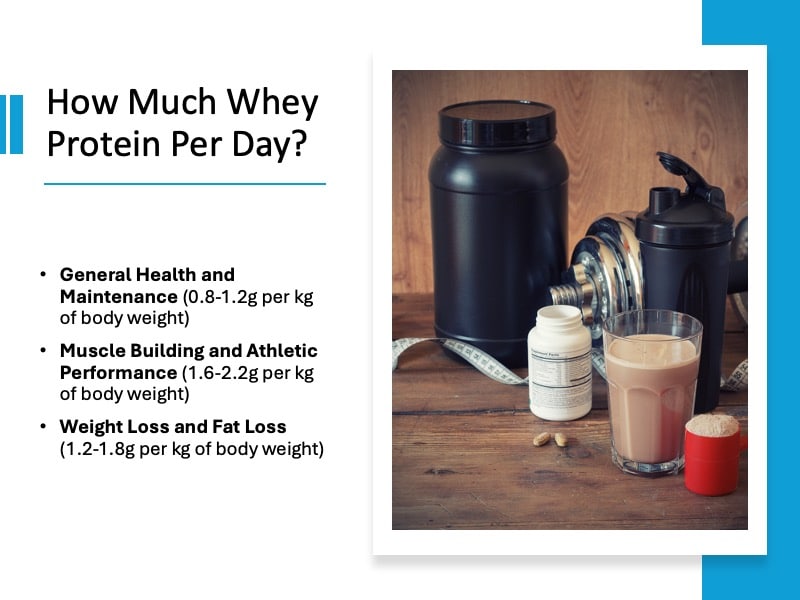
For active adults focused on muscle growth, fat loss, athletic recovery, or maintaining lean mass, approximately 0.7 to 1 gram of protein per pound of body weight per day is a reasonable general range.
People training intensely or restricting calories may benefit from the higher end of that range.
Most of your protein should come from nutrient-dense foods such as eggs, Greek yogurt, poultry, fish, lean meat, tofu, beans, and dairy.
Protein powder should fill the remaining gap rather than replace a balanced diet.
For example, if your target is 150 grams and your meals consistently provide 120 grams, a shake containing 25 to 30 grams can solve a practical problem.
If you already consume 150 grams from food, additional shakes may only increase your calories and expenses.
How to Choose Protein Powder Based on Goals
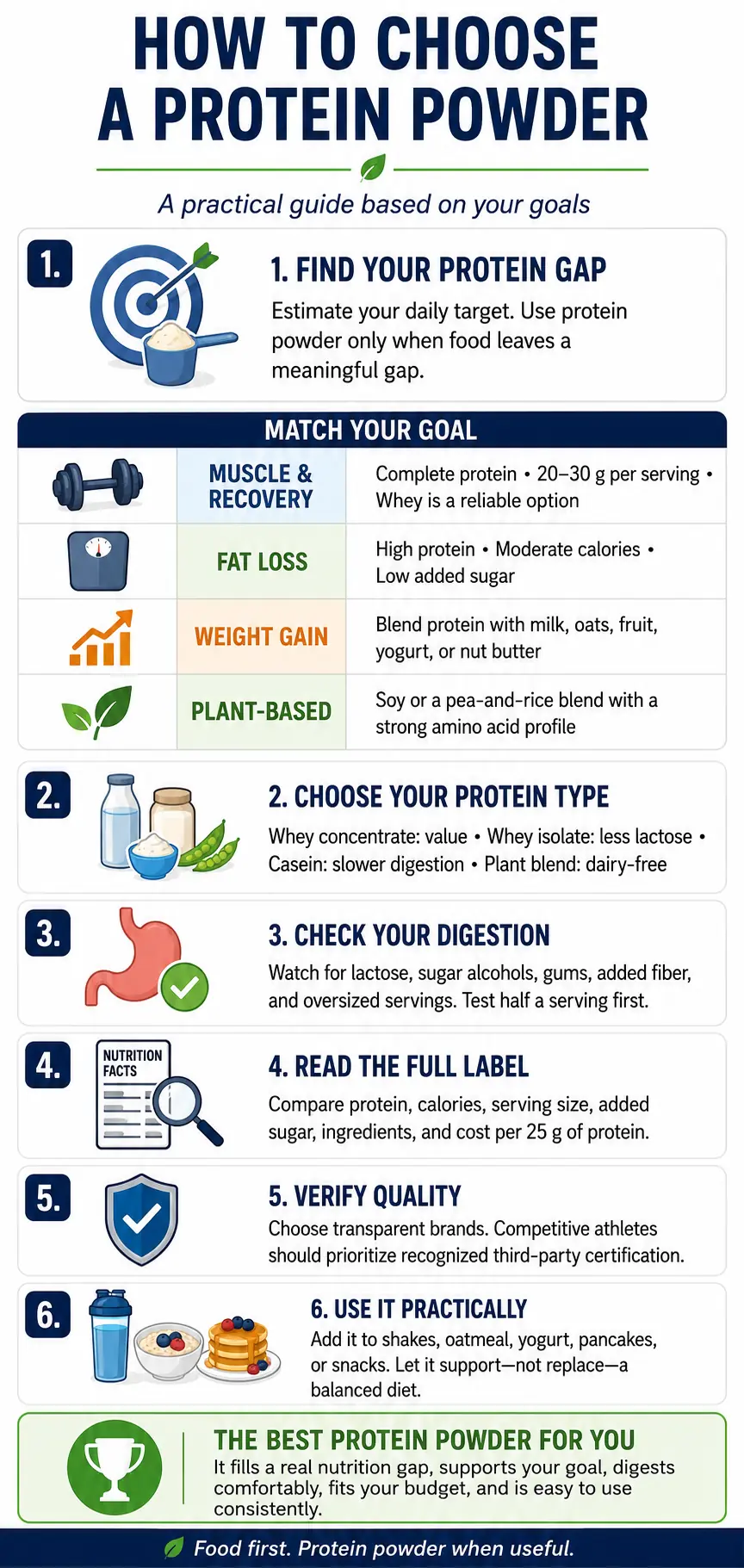
Your primary goal should guide your choice of protein source, calories, carbohydrates, fat, and serving size.
There is no universal best protein powder, although my list of the best protein powders includes options for several different goals and dietary needs.
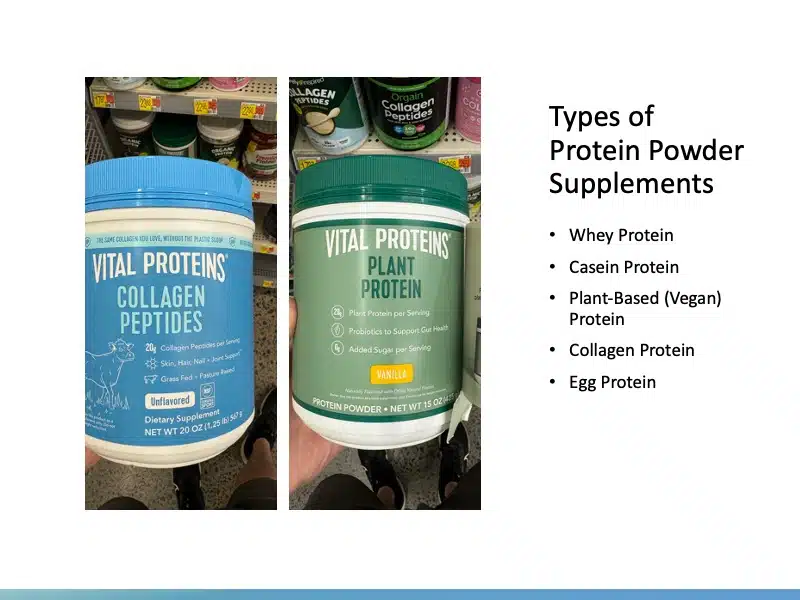
Best Protein Powder for Muscle Growth and Athletic Recovery
For muscle growth and recovery, prioritize a complete protein that provides all nine essential amino acids and a meaningful amount of leucine.
Whey is a reliable option because it is rapidly digested and naturally rich in leucine, which helps stimulate muscle protein synthesis.
Approximately 20 to 30 grams per serving works well for many adults, although larger athletes and people with higher protein requirements may need more.
Likewise, understanding how much protein you need to build muscle can help you set an appropriate daily target and determine whether protein powder is necessary to fill the remaining gap.
Total daily protein and calorie intake, training quality, and sleep matter more than whether one shake contains 25 or 40 grams.
Whey isolate generally provides more protein per calorie and less lactose than whey concentrate.
Whey concentrate is often more affordable and can be equally practical if you digest it comfortably and its additional calories fit your nutrition plan.
Related Reading: Whey vs Plant Protein Powder: Which is Better?
Best Protein Powder for Weight Loss and Appetite Control
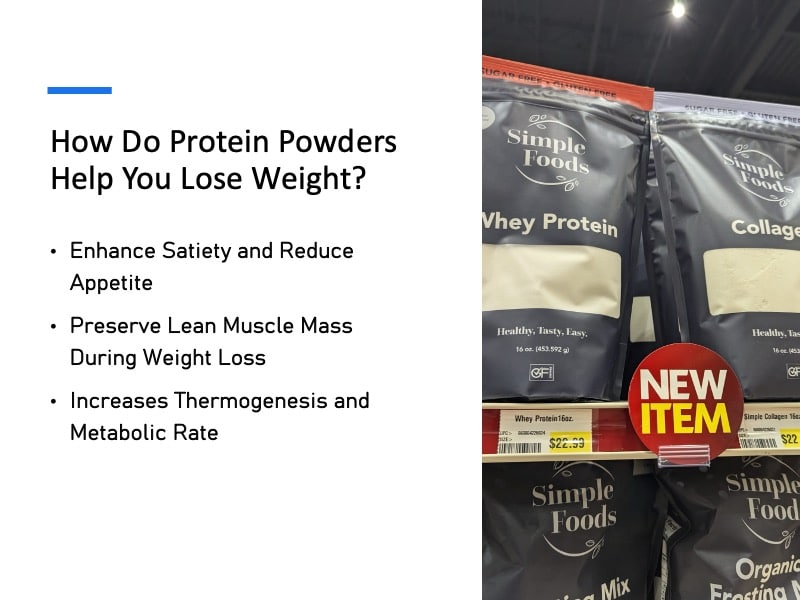
When fat loss is the goal, choose a protein powder that delivers meaningful amounts of protein without turning into a dessert-sized calorie load.
Check calories, added sugar, and fat per serving.
A protein powder with 20 to 30 grams of protein and moderate calories can help you stay full and preserve lean mass while dieting.
Casein can be useful for people who struggle with hunger between meals or before bed.
It digests more slowly than whey, which may make it more satisfying.
That said, no powder replaces the fullness you get from a meal with protein, fiber, and minimally processed foods.
Use protein powder for weight loss strategically, not as your entire diet.
Best Protein Powder for Healthy Weight Gain
If you are trying to gain weight or muscle, you may benefit from a powder with additional calories and carbohydrates.
However, you do not necessarily need a commercial mass gainer, which can be expensive and may contain more sugar or calories than you require.
A regular protein powder can be blended with milk, oats, fruit, yogurt, or nut butter to create a higher-calorie shake.
This approach gives you greater control over the ingredients, flavor, serving size, and total calorie content.
Best Protein Powder for Meal Convenience
If convenience is your primary goal, look for a powder that mixes easily, tastes good with water or milk, and provides approximately 20 to 30 grams of protein per serving.
Ready-to-drink, on-the-go protein powder supplements, like OWYN or Muscle Milk, offer convenience and quality but are a bit more expensive.
Portability, packaging, and ease of preparation may matter more than small nutritional differences between similar products.
Remember that protein powder alone is not automatically a complete meal.
Add carbohydrates, healthy fats, fruit, or another source of fiber when you need the shake to replace a full meal rather than simply supplement your protein intake.
How to Choose a Protein Source That Fits Your Diet
After identifying your goal, narrow your options according to your dietary preferences, allergies, and ethical considerations.
Whey, casein, egg, soy, pea, rice, and blended plant proteins can all have a place in a well-designed nutrition plan.
Evaluate the Nutrition Facts and Ingredient List
The front of the container is advertising, but the Nutrition Facts panel and ingredient list reveal what you are actually buying.
Begin by comparing protein, calories, carbohydrates, fat, added sugar, and serving size.
A protein powder providing approximately 25 grams of protein for 120 to 160 calories is generally a protein-focused supplement.
A product delivering the same protein for 300 calories may be useful for weight gain, but it serves a different purpose.
Check how many scoops are required to obtain the advertised protein dose.
Compare products by cost per 25 grams of protein rather than sticker price or the manufacturer’s definition of one serving.
Long ingredient names are not automatically harmful.
Lecithin improves mixability, while small amounts of gums can improve texture, although people with sensitive digestion may prefer simpler formulas.
Added greens, collagen, vitamins, digestive enzymes, or “superfood” blends can make a product appear more comprehensive.
These ingredients do not compensate for an inadequate protein dose or a poor overall diet.
Choosing a Protein Powder You Can Digest Comfortably
A protein powder that repeatedly causes bloating, cramping, gas, or urgent bathroom trips is not a good choice, regardless of its amino acid profile or marketing claims.
If whey concentrate causes discomfort, lactose could be responsible, and whey isolate may be easier to tolerate.
Dairy-free alternatives include soy, pea, rice, hemp, pumpkin seed, and blended plant proteins.
However, the protein source is not always the problem.
Sugar alcohols, artificial sweeteners, gums, large amounts of added fiber, and oversized servings can also cause digestive symptoms.
Begin with half a serving on a normal day rather than testing a new powder immediately before a hard workout, competition, flight, or long drive.
How your body responds is an important factor in choosing the right protein powder.
Whey Concentrate vs. Whey Isolate
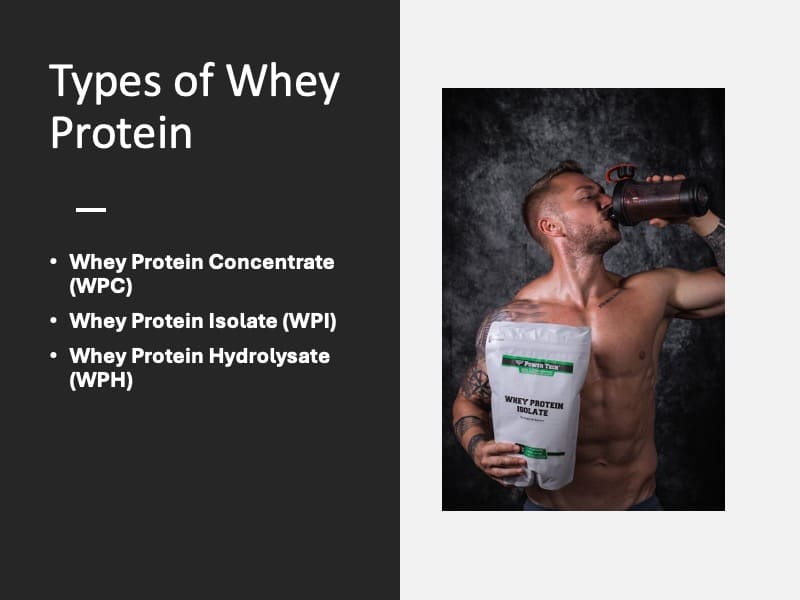
Whey protein concentrate is usually the more affordable choice and works well for people who tolerate dairy.
It contains slightly more lactose, fat, and carbohydrates than whey isolate, although the exact amounts vary by product.
Whey isolate undergoes additional processing to remove more lactose, fat, and carbohydrates.
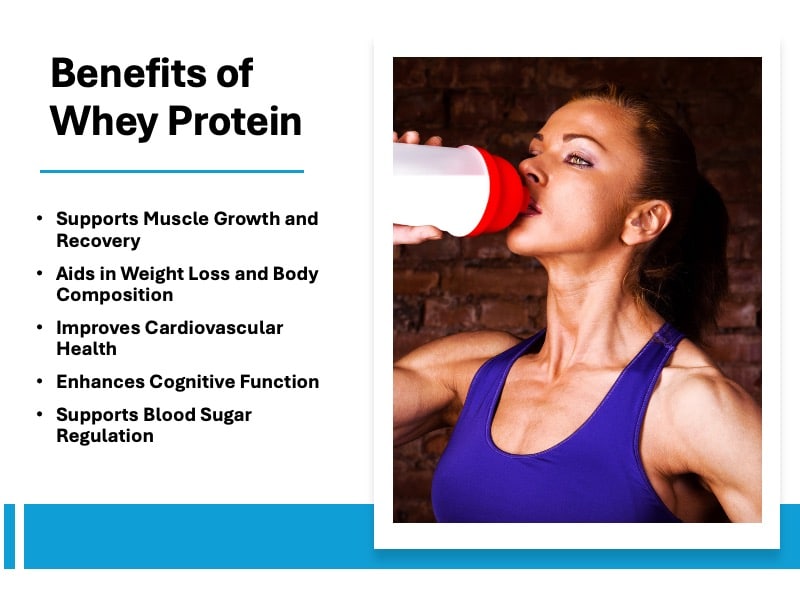
It may be the better option if you want more protein per calorie, limit lactose, or prefer a lighter post-workout shake.
Hydrolyzed whey is partially broken down and may digest more easily for some people, but it is typically more expensive.
Unless it meaningfully improves your comfort or meets a specialized need, it is not automatically superior to concentrate or isolate.
Plant-Based Protein Powders
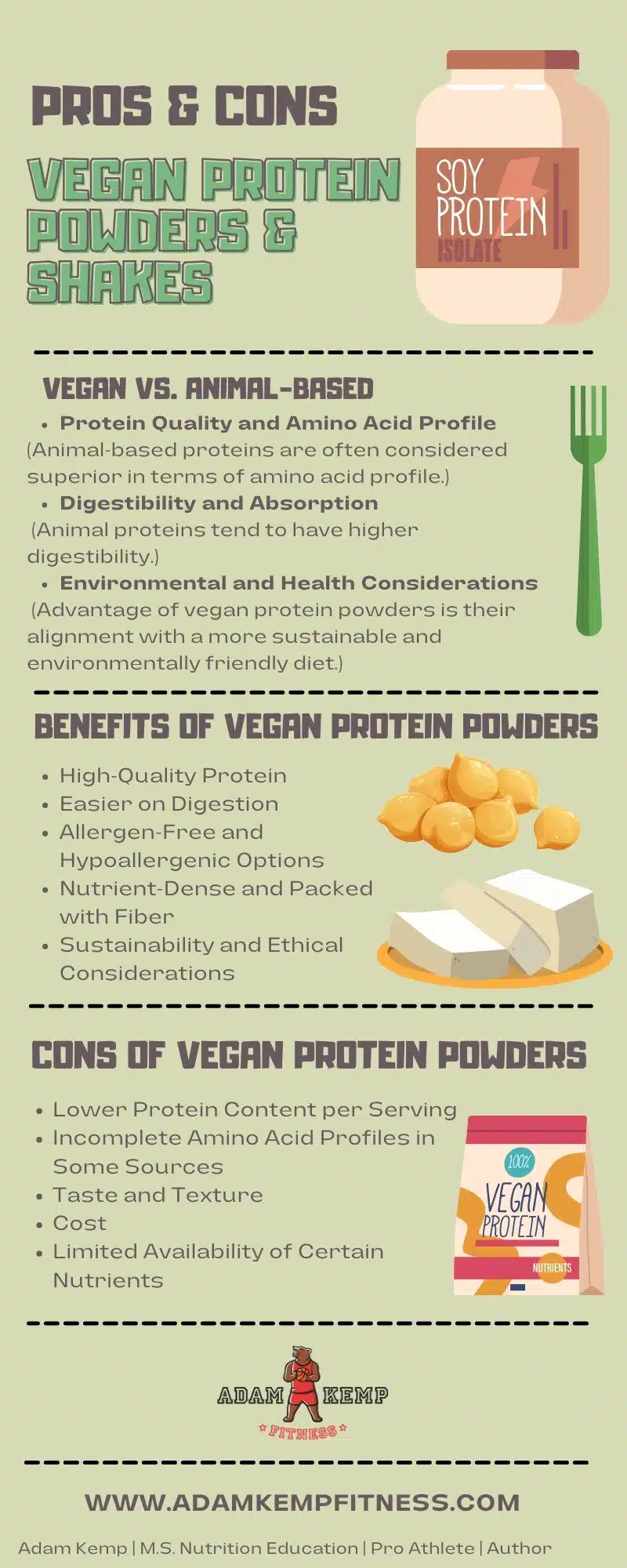
People who avoid dairy can still use protein powder to support strength, muscle growth, and recovery.
Soy is a complete protein, while blends such as pea and rice combine complementary amino acid profiles.
Remember to compare the actual protein dose rather than assuming every plant powder is nutritionally equivalent to whey.
Some plant-based products may require a slightly larger serving to provide a comparable amount of protein and essential amino acids.
Flavor and texture also vary considerably between plant powders.
The best choice is one that meets your nutritional needs and is pleasant enough to use consistently.
In my opinion, the best plant protein powder is Garden of Life Protein & Greens.

Last update on 2026-09-18 / This article includes affiliate links/Images via Amazon Product Advertising API. I may earn commissions on purchases made through these links.
Avoid Misleading Protein and Amino Acid Claims
Some lower-quality products may add inexpensive free-form amino acids to increase the measured nitrogen content, a practice commonly described as amino acid spiking.
This can make a product appear to contain more complete protein than it meaningfully provides.
Be cautious when glycine, taurine, or several individual amino acids appear prominently while the primary protein source remains unclear.
A trustworthy label should clearly identify its whey, casein, egg, soy, pea, or other intact protein sources.
Collagen also should not be treated as the nutritional equivalent of whey, egg, soy, or a well-formulated plant blend for muscle growth.
It has a different amino acid profile and is better viewed as a specialized supplement than as your primary workout protein.
Prioritize Third-Party Testing When Safety Matters
Reputable manufacturing and transparent labeling matter for everyone, but independent certification is particularly important for competitive athletes.
Contaminated supplements can expose an athlete to undeclared or prohibited substances.
Athletes subject to drug testing should prioritize products certified by recognized programs such as NSF Certified for Sport or Informed Sport.
Certification cannot guarantee that a powder will suit your digestion or goals, but it provides an additional level of manufacturing and banned-substance screening.
When your career, scholarship, reputation, or eligibility is at risk, third-party certification should carry more weight than discounts, influencer endorsements, or flavor variety.
Compare Value Instead of Marketing
The cost of protein powder reflects its protein source, flavor, texture, testing, sourcing, packaging, and brand positioning.
A higher price is reasonable when it provides better digestion, meaningful certification, transparent sourcing, or a product you will consistently use.
A basic whey concentrate may provide the best value if you tolerate dairy.
Whey isolate may justify its higher price when you want less lactose or more protein per calorie, while a quality plant blend may be worth the cost if you avoid animal products.
Compare the price per 25 grams of protein, not simply the number of servings on the label.
Paying for protein you tolerate and use is more economical than buying a cheaper tub that remains unfinished.
How to Use Protein Powder as a Practical Nutrition Tool
There are tons of ways you can use protien powder to support your diet and your goals. For example:
- Mix protein powder with water when you want a convenient, lower-calorie option.
- Blend protein powder with milk, fruit, oats, yogurt, or nut butter when you need additional carbohydrates, nutrients, or calories.
- Protein powder can be stirred into oatmeal, Greek yogurt, cottage cheese, or chia pudding to increase the protein content of a meal or snack.
- You can add protein powder to pancake, waffle, or muffin batter or use it in homemade protein bars and energy bites, although replacing too much flour may negatively affect the texture.
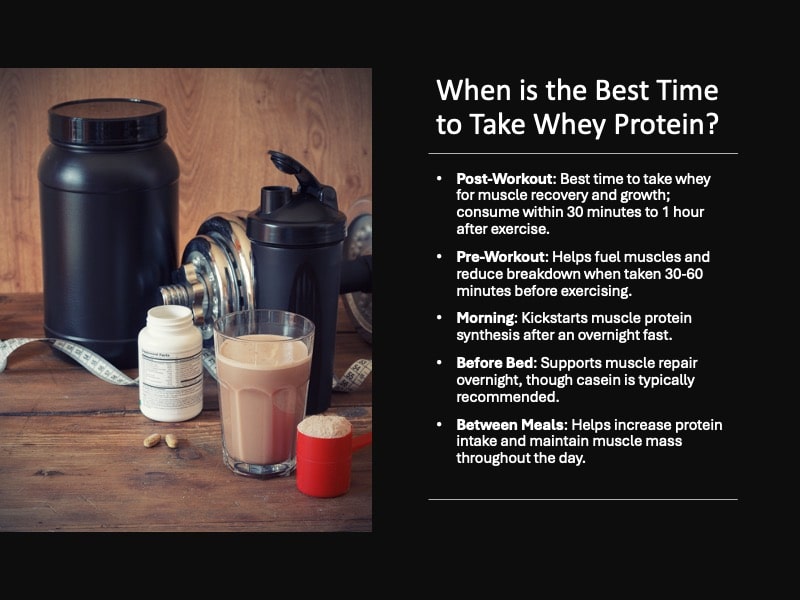
- A post-workout protein shake can support recovery when a meal is not readily available, but you do not need to drink it immediately after your final repetition.
Meeting your total daily protein target and distributing protein across your meals are more important than chasing a narrow “anabolic window.”
People with kidney disease, medically necessary dietary restrictions, pregnancy, or medications that affect nutrition should consult a qualified healthcare professional before substantially increasing their protein intake.
Learning how to choose protein powder involves finding an option that fills a genuine nutritional gap, supports your goal, feels comfortable to digest, fits your budget, and is convenient enough to use consistently.
Final Thoughts: How to Choose Protein Powder for Yourself
Learning how to choose protein powder begins with identifying what is missing from your current diet.
Your daily protein target, fitness goals, dietary preferences, digestion, budget, and need for convenience should guide your decision, not marketing claims or influencer recommendations.
Whey concentrate offers excellent value for people who tolerate dairy, while whey isolate generally provides more protein per calorie with less lactose.
Casein may be useful for a slower-digesting option, while soy, pea, rice, and blended plant proteins can accommodate dairy-free or plant-based diets.
Once you narrow down the protein source, compare the protein per serving, total calories, ingredients, cost per 25 grams of protein, and third-party certifications.
Competitive athletes should be especially careful to select independently tested products that reduce the risk of exposure to prohibited substances.
Remember that protein powder is concentrated, convenient food, not a shortcut to muscle growth, fat loss, or better performance.
Training consistently, consuming enough total calories and nutrients, sleeping well, and meeting your daily protein needs will always matter more than the specific powder you buy.
The right product is ultimately one that fills a genuine nutritional gap, feels comfortable in your stomach, fits your budget, and is easy to use consistently.
That practical approach is the most reliable way to determine how to choose the right protein powder for yourself.
Last update on 2026-09-18 / This article includes affiliate links/Images via Amazon Product Advertising API. I may earn commissions on purchases made through these links.
This website does not provide medical advice. This website site does contain affiliate links, and purchases may earn a commission.
Read my Medical Disclaimer, Review Disclaimer, and Publishing Policies for more details. Use of this site indicates acceptance of these terms.