DIY Cupping Review: Is at-Home Cupping Safe & Effective?
 Reading Time: 8 minutes
 DIY cupping at home is one of my favorite options for pain relief and muscle recovery, as it merges traditional healing methods with today’s convenient technology
Originally practiced by the Egyptians, Greeks, and Chinese thousands of years ago, cupping therapy was once limited to trained practitioners using glass or bamboo cups and fire to create suction on the skin.
Now, with the development of safe and easy-to-use electric and silicone cupping devices, anyone can perform cupping at home.
This accessibility has opened new possibilities for muscle recovery, pain relief, and stress reduction for athletes or any individuals looking to improve symptoms without visiting a clinic.
From my own experience using devices like the TheraBody TheraCup, modern at-home cupping systems can replicate many of the therapeutic effects of traditional methods when used properly.
However, understanding how to use these tools correctly and recognizing their limits is essential for safety and effectiveness.
Whether you’re curious about incorporating cupping into your recovery routine or wondering if it’s truly worth the investment, learning the science and best practices behind DIY cupping at home can help you make an informed decision about bringing this ancient therapy into your home.

Last update on 2026-10-08 / This article includes affiliate links/Images via Amazon Product Advertising API. I may earn commissions on purchases made through these links.
What is Cupping?
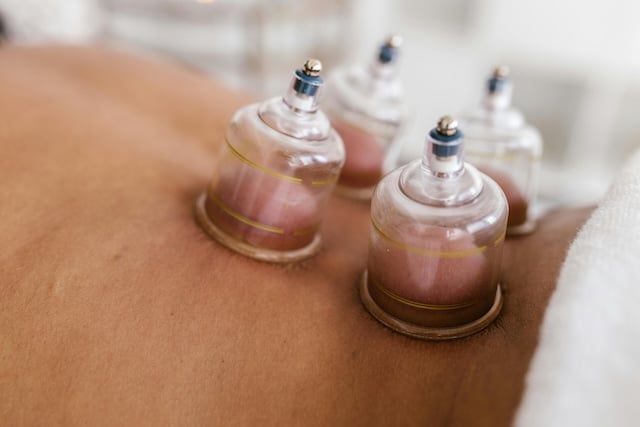
Cupping therapy is an ancient practice where suction cups are applied to the skin to create a vacuum effect.
This process involves placing cups on specific areas of the body and using heat or mechanical suction to create a partial vacuum.
The suction pulls the skin and underlying tissues into the cup, increasing blood flow to the area.
This increased circulation helps reduce inflammation, alleviate muscle tension, and promote healing by drawing out toxins and encouraging nutrient-rich blood to nourish the tissues.
What is DIY Cupping At-Home?
DIY cupping refers to performing cupping therapy at home using specially designed, user-friendly devices.
These modern cupping tools, such as the TheraBody TheraCup, allow individuals to enjoy the benefits of traditional cupping without needing professional assistance.
The vacuum created by the DIY cupping devices stimulates blood flow, reduces muscle soreness, alleviates stress, and enhances overall wellness, making it a convenient and effective method for personal care.
To help reduce the appearance of red marks or bruising after a cupping therapy session, gently apply a cool compress to the affected areas for 10-15 minutes. This can help soothe the skin and minimize discoloration. Additionally, keeping the skin well-hydrated with a natural body moisturizer, such as aloe vera gel or coconut oil, can promote faster healing.
Benefits of DIY Cupping
DIY cupping offers a range of benefits that make it an appealing addition to any wellness routine.
Here are some of the key benefits of DIY cupping:
Improved Recovery & Reduced Soreness
DIY cupping is particularly effective for relieving muscle soreness.
The suction created by the cups increases blood flow to the targeted areas, helping to reduce muscle tension and accelerate recovery after intense workouts or physical activities.
Research has found that athletes who received cupping therapy after exercise reported reduced muscle soreness and improved range of motion compared to control groups (Kim et al., 2017).
Likewise, athletes and active individuals can benefit from the accelerated recovery that cupping offers.
By increasing blood flow and reducing inflammation, cupping helps speed healing of minor injuries and muscle strains.
Pain Reduction
Cupping can help alleviate chronic pain, such as back pain, neck pain, and joint pain.
By improving circulation and promoting the release of endorphins, cupping can reduce pain and improve mobility in affected areas.
Research supports these claims, showing that cupping therapy significantly reduced pain intensity in patients with chronic back and neck pain, highlighting its potential as a complementary pain management approach (Cramer et al., 2020).
Stress Relief
The relaxing effect of cupping therapy can help reduce stress and anxiety.
The process of cupping promotes relaxation and well-being, which can be beneficial for mental health.
Research has found that individuals receiving cupping therapy reported lower perceived stress and improved sleep quality after multiple sessions (Chi et al., 2016).
Improved Skin Health
Cupping can also improve skin health by increasing blood flow to the skin and promoting toxin removal.
Research has demonstrated that cupping increases local microcirculation and oxygen supply to the skin, which may support tissue repair and improve skin tone, making it look healthier (Al-Bedah et al., 2018).
Better Immune System
The improved circulation and detoxification effects of cupping can help boost the immune system.
Regular cupping sessions can aid in removing toxins from the body, helping improve overall health and resilience against illness.
Research has demonstrated that regular cupping sessions improved immune biomarkers and reduced inflammatory markers in participants, suggesting potential immune-modulating benefits (Abdelfattah et al., 2024).
Types of At-Home Cupping Devices You Can Use
Choosing the right cupping device is one of the most important factors in making DIY cupping safe and effective.
Modern technology has replaced the traditional glass-and-fire method with user-friendly tools that anyone can operate from home.
Whether you’re looking to relieve sore muscles, improve circulation, or simply relax after a long day, there’s now a variety of at-home cupping devices that fit different goals, budgets, and experience levels.
Each device type (silicone, manual vacuum, or electric) creates suction differently, offering unique benefits for recovery and wellness.
Understanding these differences will help you choose the best option for your needs and perform cupping at home safely and effectively.
Silicone Cups
These are the simplest and most affordable options for DIY cupping at home.
They create suction when squeezed and released onto the skin.
Silicone cups are great for beginners because they allow more control over pressure and can glide across the skin for massage-style cupping.
They’re ideal for reducing tension in larger muscle groups, such as the back, thighs, and calves.

Last update on 2026-10-08 / This article includes affiliate links/Images via Amazon Product Advertising API. I may earn commissions on purchases made through these links.
Manual Vacuum Cups
Manual suction cups use a small hand pump to control pressure without heat.
This type of at-home cupping allows for greater consistency than silicone cups and can target deeper tissue layers.
They’re commonly used in athletic recovery settings to help relieve muscle tightness after training.

Last update on 2026-10-08 / This article includes affiliate links/Images via Amazon Product Advertising API. I may earn commissions on purchases made through these links.
Electric Cupping Devices
Smart cupping systems, like the TheraBody TheraCup, use electronic vacuum control and built-in heat or vibration functions to mimic professional treatments.
These devices allow precise adjustment of suction strength and duration, making them the most advanced option for consistent results.
They’re ideal for athletes or anyone looking for a professional-grade cupping experience at home.
Last update on 2026-10-08 / This article includes affiliate links/Images via Amazon Product Advertising API. I may earn commissions on purchases made through these links.
How to Do Cupping at Home
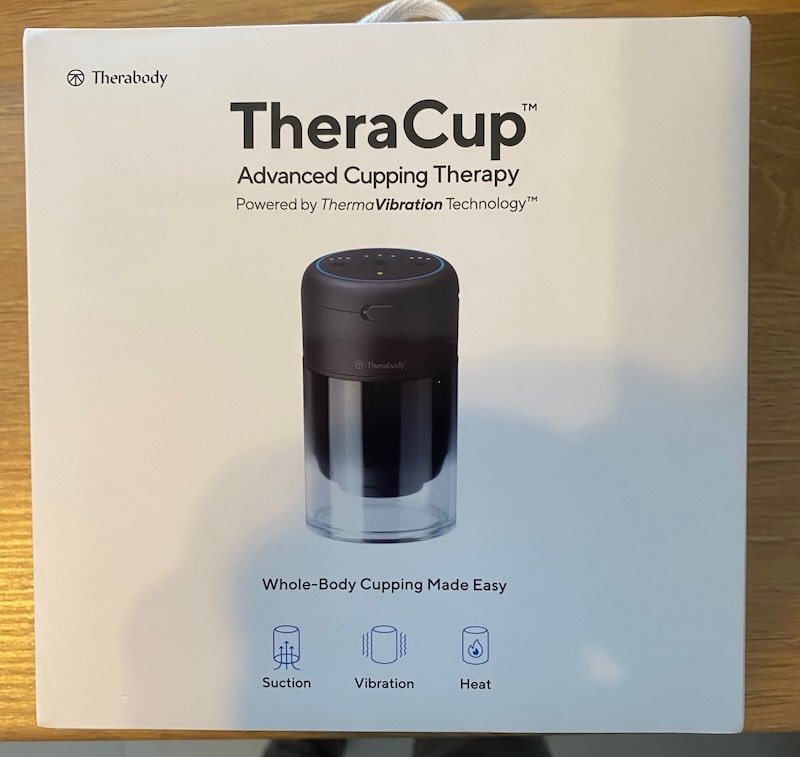
Learning how to do cupping at home safely starts with understanding the type of device you’re using and how it creates suction.
Modern cupping tools have evolved significantly from traditional glass cups that required heat or fire.
Today, DIY cupping devices are designed for safety, convenience, and ease of use, making them suitable for home recovery routines.
Step-by-Step Guide to At-Home Cupping
- Step 1) Prepare the Area: Clean the skin thoroughly to reduce the risk of irritation or infection. Apply a small amount of massage oil or lotion to help the cups glide smoothly and prevent excessive skin pulling.
- Step 2) Apply the Cups: Place the cups on the desired area, typically large muscle groups such as the shoulders, upper back, hamstrings, or quadriceps. For silicone or manual cups, squeeze or pump to expel air and create suction. For electric devices, adjust the suction setting according to your comfort level.
- Step 3) Control the Duration: Most cupping sessions last between 5 to 10 minutes per area. Avoid leaving cups on for too long, as prolonged suction may cause bruising or skin sensitivity. Move the cups gently across the skin for dynamic cupping, or keep them stationary for deeper, localized treatment.
- Step 4) Remove and Recover: Release the suction slowly and wipe the area clean. Applying a cool compress or a gentle moisturizer such as aloe vera or coconut oil can help calm the skin. Avoid showering immediately after cupping or exposing the skin to direct sunlight for several hours.
Key Safety Tips
- Never use cupping over open wounds, varicose veins, or areas of inflammation.
- Start with mild suction and shorter sessions to assess tolerance.
- Stay hydrated before and after cupping to support detoxification and circulation.
- If you experience pain, dizziness, or unusual skin reactions, stop immediately and consult a healthcare provider.
Potential Risks and Side Effects of DIY Cupping at Home
While DIY cupping offers numerous benefits, it’s essential to be aware of potential risks.
Common side effects include temporary skin irritation and bruising, which usually fade within a few days.
If the skin and devices are not clean, improper use can lead to burns, blisters, or infections.
Individuals on blood-thinning medications or with bleeding disorders should consult a healthcare professional before trying cupping.
Additionally, some people may experience dizziness, nausea, or allergic reactions to the materials used in cupping devices.
What is the Best DIY Cupping Device? (2025)
In my opinion, the TheraBody TheraCup is the best choice for DIY cupping therapy due to its innovative features that improve upon the traditional cupping experience.
I have also rated it as one of the best self-massage tools, and I believe it is a great option for a wide variety of people.
Unlike traditional silicone or glass cups, the TheraCup integrates advanced technology for more precise control over suction levels and duration.
This allows for a more tailored therapy session, catering to specific needs and preferences.
Additionally, its design facilitates ease of use across the entire body, making it accessible for self-application.
While it may be more expensive than conventional cupping sets, the TheraCup’s versatility, ease of use, and technological advancements justify the investment for those seeking an effective, at-home cupping solution.
Last update on 2026-10-08 / This article includes affiliate links/Images via Amazon Product Advertising API. I may earn commissions on purchases made through these links.
Final Thoughts: Should You Try DIY Cupping at Home?

DIY cupping can be a safe and effective wellness practice when done correctly, offering many of the same benefits as professional cupping sessions.
From improving recovery and reducing muscle soreness to supporting relaxation and circulation, at-home cupping provides a convenient way to enjoy the effects of an ancient therapy in a modern, self-care setting.
However, results depend heavily on using the proper equipment and understanding technique.
Beginners should start with gentle suction levels and follow device instructions carefully to avoid skin irritation or bruising.
Consulting a qualified healthcare provider or physical therapist before beginning cupping at home is also recommended, especially for those with pre-existing conditions, sensitive skin, or who take medications that affect blood flow.
Personally, I’ve found devices like the TheraBody TheraCup to be effective and easy to use, especially for muscle recovery after training.
Still, cupping should be viewed as one component of a well-rounded recovery strategy that includes hydration, mobility work, balanced nutrition, and adequate sleep.
When practiced responsibly, DIY cupping can be a valuable addition to your wellness routine, bridging the gap between traditional healing and modern recovery tools to help you feel and perform your best.
Last update on 2026-10-08 / This article includes affiliate links/Images via Amazon Product Advertising API. I may earn commissions on purchases made through these links.
This website does not provide medical advice. This website site does contain affiliate links, and purchases may earn a commission.
Read my Medical Disclaimer, Review Disclaimer, and Publishing Policies for more details. Use of this site indicates acceptance of these terms.
Check Out Some of My YouTube Videos Below, and Please Follow on YouTube for More Educational Health and Fitness Content!
![Subscribe to @AdamKempFitness for more training, general health, recovery, and nutrition tips from a professional basketball player with a master’s degree in Nutrition Education! 🏀💪
Seated Max Vertical Jumps From a Box are one way I train explosive takeoff power with maximum intent on every rep.
Starting seated, with a pause and minimal rocking or dipping, reduces the contribution of a quick countermovement and emphasizes producing force from a relatively static position (National Strength and Conditioning Association [NSCA], 2020).
For athletes, the training goal is explosive lower-body force production and coordinated extension through the hips, knees, and ankles. I use this variation to practice driving hard into the floor and accelerating my body upward.
My preferred setup: 3 sets of 3 reps or 4 sets of 2 reps, supersetted with a strength or power exercise.
I keep the reps low, reset between jumps, and take longer rest periods so I’m ready to attack every takeoff. Even when pairing exercises, I give myself enough recovery to keep the jumps sharp.
Every rep has one goal: jump as high as possible. I focus on an explosive takeoff, a controlled landing, and consistent quality throughout the session.
Save this for your next power workout! 🚀
Reference: NSCA. (2020). Stretch-shortening cycle.
#VerticalJump #JumpTraining #ExplosivePower #AthleticPerformance #BasketballTraining](https://www.adamkempfitness.com/wp-content/plugins/feeds-for-youtube/img/placeholder.png)