

5 Essential Tips for Weight Loss
 Reading Time: 6 minutes
 Finding effective tips for weight loss can feel overwhelming because the internet is filled with conflicting advice, quick-fix diets, and unrealistic promises.
Sustainable weight loss, however, rarely comes from extreme restrictions or short-term programs.
Instead, it typically results from consistent habits that support a healthy metabolism, balanced nutrition, and regular physical activity.
Research consistently shows that long-term weight management is strongly influenced by daily lifestyle behaviors, including diet quality, sleep patterns, hydration, and physical activity levels (Hall & Kahan, 2018).
These pro-adaptive habits help regulate appetite hormones, energy balance, and overall metabolic health.
For many people, the most successful strategies are not dramatic changes but small, repeatable behaviors that gradually improve body composition and overall well-being.
Additionally, these healthy habits for weight loss make it easier to maintain weight loss over time rather than experiencing the common cycle of losing and regaining weight.
Whether you are just starting to improve your health, have been trying to compare weight loss providers with the idea of hiring one, or are looking to refine your approach on your own, focusing on evidence-based tips for weight loss can help you build sustainable habits that support long-term success.
Ensure You are Exercising Consistently
Regular physical activity is one of the most effective tips for weight loss because it increases energy expenditure, preserves lean muscle mass, and improves metabolic health.
While nutrition plays a major role in weight management, exercise helps create a sustainable calorie deficit and improves how the body uses carbohydrates and fats for energy (Swift et al., 2014).
Health organizations generally recommend at least 150 minutes of moderate-intensity exercise per week, which can be achieved through activities such as brisk walking, jogging, swimming, cycling, or recreational sports (Piercy et al., 2018).
These forms of exercise elevate heart rate, improve cardiovascular fitness, and help increase daily calorie expenditure.
In addition to structured workouts, increasing daily movement is extremely valuable.
Activities such as walking, climbing stairs, or participating in sports contribute to what researchers call non-exercise activity thermogenesis (NEAT), which can significantly influence total daily energy expenditure (Levine, 2002).
For example, aiming for around 10,000 steps per day is a practical way to increase daily movement and support weight management.
Regular walking helps burn calories, improves cardiovascular health, and can reduce sedentary time, which is increasingly linked to metabolic disease risk.
Finding activities you enjoy also makes exercise easier to maintain long term.
Team sports, training with friends, or joining group fitness sessions can improve motivation and accountability, helping physical activity become a consistent part of your lifestyle.
Maintain a Healthy Weight Loss Diet
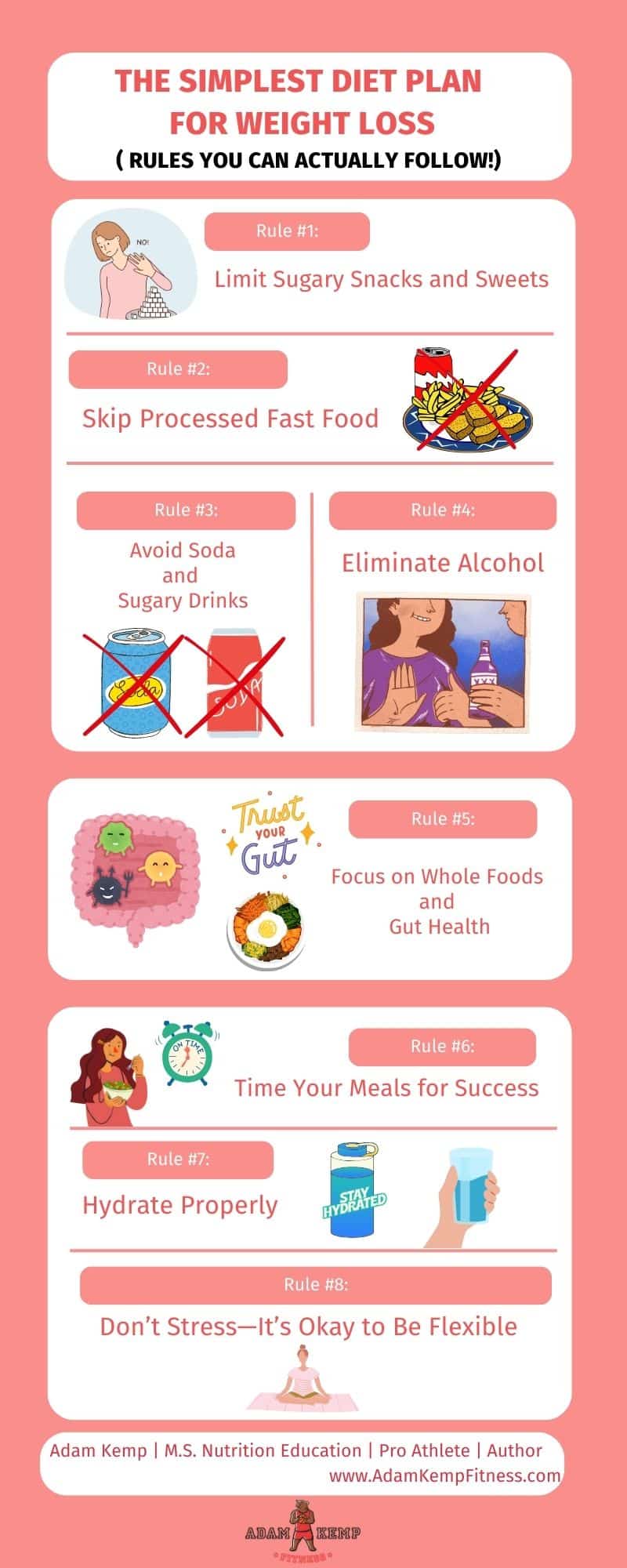
Nutrition plays a central role in any successful weight loss plan because daily food choices directly influence calorie intake, hunger regulation, and overall metabolic health.
While exercise supports energy expenditure, maintaining a balanced diet is often the most influential factor in creating the calorie deficit needed for gradual, sustainable weight loss (Hall & Kahan, 2018).
A healthy weight loss diet plan should prioritize nutrient-dense whole foods, including fruits, vegetables, lean proteins, whole grains, and healthy fats.
These foods tend to be rich in fiber, vitamins, minerals, and phytonutrients that support overall health while also helping improve satiety and appetite control (Slavin & Lloyd, 2012).
One simple guideline is to aim for at least five servings of fruits and vegetables each day, which can help increase fiber intake and reduce overall calorie density in meals.
Diets rich in fruits and vegetables are consistently associated with better weight management and improved metabolic health outcomes.
At the same time, limiting highly processed foods such as fast food, refined carbohydrates, and calorie-dense snacks can help prevent excessive calorie intake.
These foods are often engineered to be highly palatable but provide relatively little nutritional value.
For individuals who struggle to eat enough vegetables, incorporating them into familiar meals can make the transition easier.
Adding vegetables to pasta sauces, soups, omelets, stir-fries, or casseroles increases nutrient intake without significantly altering the flavor or texture of the meal.
Small dietary improvements like these often create the foundation for sustainable weight loss because they improve diet quality without requiring extreme restrictions.
Get Plenty of Sleep
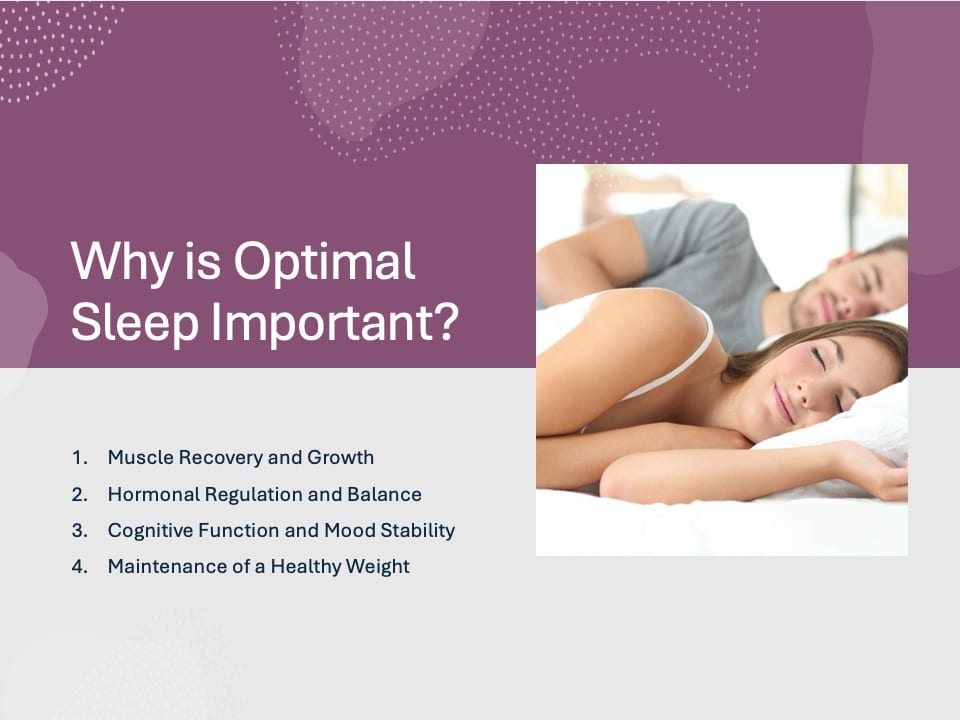
Sleep plays an important role in weight management because it affects hormone regulation, recovery, and daily energy levels.
When you consistently get enough sleep, your body is better able to regulate metabolism, repair tissues, and maintain balanced hunger signals.
Research shows that sleep deprivation can disrupt hormones that control appetite, particularly ghrelin and leptin, which may increase cravings for high-calorie or sugary foods (Spiegel et al., 2004).
Poor sleep can also reduce energy levels, making it harder to stay physically active and maintain healthy lifestyle habits.
For most adults, experts recommend aiming for seven to nine hours of quality sleep per night.
Consistently meeting this range helps support hormonal balance, cognitive performance, and recovery, all of which contribute to more sustainable weight loss over time.
Maximize and Optimize Hydration
Proper hydration plays an important role in overall health and can also support weight loss efforts.
Drinking enough water helps regulate body temperature, supports digestion, and allows metabolic processes to function efficiently.
Hydration may also influence appetite control.
Research suggests that drinking water before or between meals can help increase feelings of fullness, which may reduce overall calorie intake during the day (Dennis et al., 2010).
In some cases, feelings of hunger can actually be related to mild dehydration, which is why staying consistently hydrated may help reduce unnecessary snacking.
A simple strategy is to use a large reusable water bottle, such as a two-liter bottle, and aim to finish it throughout the day.
Tracking intake this way makes it easier to monitor your hydration and build a consistent habit.
For most adults, general guidelines suggest consuming roughly two to three liters of fluids per day, though individual needs vary depending on body size, activity levels, and climate.
These fluids can come from plain water as well as other beverages with high water content, such as herbal tea.
Make Sure Your Lifestyle Changes are Sustainable
One of the most important tips for weight loss is to focus on realistic, sustainable lifestyle changes over the long term.
Rapid or extreme diets may lead to quick weight loss, but they are often difficult to maintain and frequently result in regaining the lost weight.
Research shows that sustainable weight management is more likely when individuals adopt gradual, consistent, healthy habits rather than short-term restrictive diets (Hall & Kahan, 2018).
Small changes that support weight loss that can be maintained daily often produce better long-term results than dramatic but temporary efforts.
Simple adjustments can make a meaningful difference over time.
Increasing your intake of fruits and vegetables, drinking enough water throughout the day, exercising regularly, and aiming for 7 to 9 hours of quality sleep each night are all habits that support long-term health and weight management.
By focusing on habits that fit naturally into your lifestyle, you create a foundation that makes it easier to maintain weight loss and support overall wellbeing for years to come.
Final Thoughts: How to Integrate These Weight Loss Tips Into Your Life
Successful weight loss rarely comes from a single dramatic change.
Instead, it typically develops from consistent daily habits that support long-term health and energy balance.
By focusing on practical tips for weight loss such as exercising regularly, improving diet quality, prioritizing sleep, staying hydrated, and making sustainable lifestyle adjustments, you create a routine that supports both physical and mental wellbeing.
These habits work together to regulate appetite, improve metabolism, and make it easier to maintain a healthy body weight over time.
It is also important to remember that meaningful progress does not happen overnight.
Gradual changes that you can maintain for months and years are far more effective than short-term strategies that are difficult to sustain.
If you are beginning your weight loss journey, start with one or two habits and build from there.
Over time, these small improvements can compound into significant and lasting results.
What changes do you believe will have the biggest impact on your health?
Sharing your experiences or strategies in the comments can also help others who are working toward similar goals.
This website does not provide medical advice. This website site does contain affiliate links, and purchases may earn a commission.
Read my Medical Disclaimer, Review Disclaimer, and Publishing Policies for more details. Use of this site indicates acceptance of these terms.