How to Fix Chronically Tight Hamstrings for Good!
 Reading Time: 13 minutes
 Chronically tight hamstrings are one of the most common mobility complaints among athletes, desk workers, and active individuals alike.
Despite the popularity of hamstring stretching routines, persistent hamstring tightness often continues because the underlying cause is rarely just “tight muscles.”
In many cases, chronically tight hamstrings are a protective response from the body caused by muscle imbalances, poor pelvic positioning, nerve tension, or inadequate strength in surrounding muscle groups.
The hamstrings are a group of three muscles located on the back of the thigh that play a critical role in hip extension, knee flexion, and overall lower-body stability.
When these muscles remain in a constant state of tension, they can restrict mobility, reduce athletic performance, and increase the risk of injuries such as hamstring strains, lower-back pain, and knee problems (Freckleton & Pizzari, 2013).
As a professional basketball player who relies heavily on explosive sprinting, jumping, and rapid changes of direction, I have experienced periods of chronic hamstring tightness throughout my career.
What I have learned through training, rehabilitation, and working with elite strength coaches is that simply stretching the hamstrings rarely solves the problem.
Long-term improvement usually requires addressing the deeper causes of hamstring tension, including pelvic alignment, glute strength, hip mobility, and nervous system control.
When you combine targeted strengthening exercises, mobility work, and smart recovery strategies, it becomes possible to restore proper muscle function and eliminate the persistent feeling of tight hamstrings.
Understanding why hamstring tightness develops in the first place is the first step toward fixing it permanently.
Signs and Symptoms of Chronic Hamstring Tightness
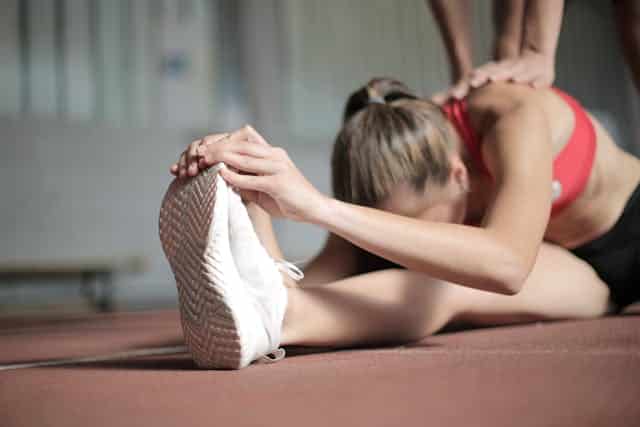
Chronically tight hamstrings often develop gradually, making the symptoms easy to overlook until they begin affecting movement, exercise performance, or everyday comfort.
While occasional muscle stiffness is normal after intense activity, persistent hamstring tightness that does not improve with basic stretching may indicate underlying mobility restrictions, muscle imbalances, or postural issues.
Common signs of chronically tight hamstrings include:
- Difficulty Touching Your Toes: Many people with tight hamstrings struggle to hinge forward at the hips without rounding their lower back, even if they stretch regularly.
- Limited Leg Extension or Restricted Mobility: You may notice reduced range of motion when kicking, running, or performing exercises such as deadlifts or squats.
- Persistent Stiffness in the Back of the Thighs: The hamstrings may feel constantly tight, particularly after sitting for long periods or during the first movements of the day.
- Lower Back Tension During Bending Movements: When hamstrings are overly tight, the lower back often compensates, which can contribute to lumbar discomfort or stiffness.
- Frequent Pulling Sensations During Activity: Athletes and active individuals may feel repeated tightness when sprinting, jumping, or performing explosive movements.
What Causes Hamstring Tightness?
If you are wondering, “Why are my hamstrings so tight?”, chronically tight hamstrings rarely develop from a single cause.
In many cases, the feeling of tightness is the result of multiple factors working together, including lifestyle habits, muscle imbalances, poor movement patterns, and inadequate strength in surrounding muscles.
While some individuals truly have shortened hamstring muscles, others experience tightness because their hamstrings are constantly compensating for weakness or instability elsewhere in the body.
Understanding the most common causes of chronic hamstring tightness can help you address the root problem instead of only treating the symptoms.
Prolonged Sitting and Sedentary Habits
One of the most common contributors to chronically tight hamstrings is prolonged sitting.
When you sit for extended periods, the hips remain flexed and the hamstrings stay in a shortened position. Over time, this can reduce muscle elasticity and lead to stiffness when you stand, walk, or exercise.
Research suggests that sedentary lifestyles are associated with decreased hamstring flexibility and increased musculoskeletal discomfort (Behm et al., 2016).
Even highly active individuals can develop tight hamstrings if they spend large portions of the day sitting between workouts.
Muscle Imbalances in the Hips and Core
Hamstring tightness is frequently linked to imbalances between the glutes, hip flexors, and core muscles.
Weak glutes and core muscles can force the hamstrings to work harder to stabilize the pelvis during movement.
This extra workload can cause the hamstrings to remain in a protective state of tension.
At the same time, tight hip flexors can pull the pelvis forward, placing additional strain on the hamstrings and contributing to chronic stiffness.
Correcting these imbalances often improves hamstring flexibility more effectively than stretching alone.
Inadequate Hamstring Strength
Many people focus on stretching tight hamstrings without strengthening them.
Weak hamstrings can struggle to control hip and knee movements, which may cause the nervous system to increase muscle tension as a protective mechanism.
Strengthening exercises such as Romanian deadlifts, glute bridges, and Nordic hamstring curls can improve muscle function and help reduce the persistent feeling of tightness.
Research has shown that eccentric hamstring strengthening improves both flexibility and injury resistance (Bourne et al., 2018).
Poor Pelvic Alignment and Posture
Pelvic positioning plays a major role in hamstring tension.
When the pelvis tilts forward, a condition known as anterior pelvic tilt, the hamstrings remain in a lengthened position even while resting.
This shift alters the natural alignment of the hips and spine, often leading to chronic hamstring tightness and discomfort.
Causes of anterior pelvic title include:
- Constant Stretching of the Hamstrings: In APT, the pelvis pulls forward, tilting the sit bones (ischial tuberosities) upward, which lengthens the hamstrings at rest. This overstretched position creates a sensation of tightness, even though the hamstrings are not actually short or contracted.
- Weak Core and Glutes, Overactive Hip Flexors: APT is often associated with weak glutes and core muscles, while the hip flexors (psoas, rectus femoris) become overactive and tight. This imbalance prevents the pelvis from maintaining a neutral position, forcing the hamstrings to compensate for stability.
- Reduced Hamstring Function & Strength: Since the hamstrings are constantly stretched in an anterior pelvic tilt, they struggle to contract efficiently. This reduces their strength and ability to support movement, increasing the risk of strains or injuries.
To relieve hamstring tightness caused by APT, focus on:
- Strengthening the glutes and core (e.g., glute bridges, dead bugs, planks).
- Releasing tight hip flexors through targeted stretching (e.g., hip flexor stretches, lunges).
- Improving pelvic alignment with posterior pelvic tilt exercises (e.g., pelvic tilts, Romanian deadlifts).
By addressing the root cause (pelvic alignment), you can reduce hamstring tightness, improve mobility, and prevent further discomfort.
Intense Training or Repetitive Athletic Activity
Athletes who sprint, jump, or perform explosive movements regularly place significant strain on the hamstrings.
Without proper recovery, mobility work, and strength training, this repeated stress can lead to chronic tightness or recurring strains.
Sports that involve rapid acceleration and deceleration, such as basketball, soccer, and track and field, place particularly high demands on the hamstrings.
Maintaining balanced strength, mobility, and recovery strategies is essential for preventing persistent hamstring tightness in athletes.
How to Loosen Tight Hamstrings
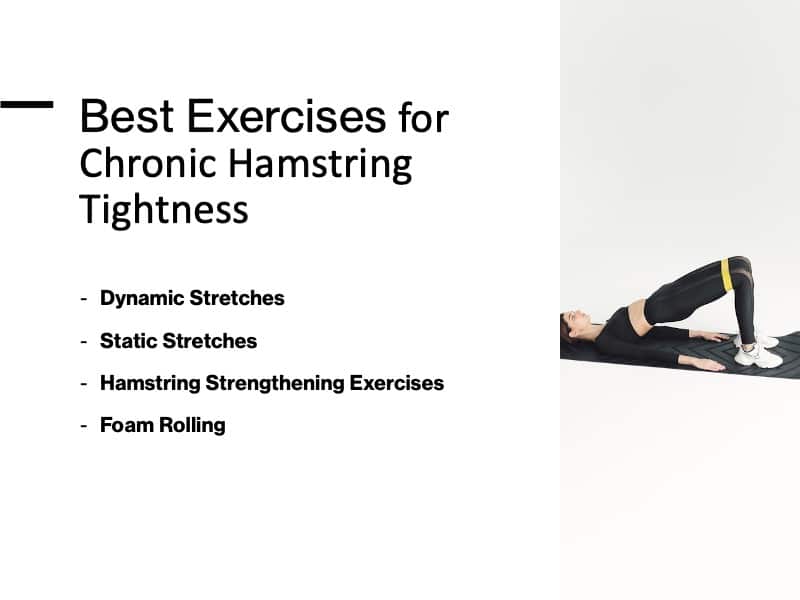
If you’ve been trying to learn how to loosen tight hamstrings, the key lies in targeted exercises that release tension, improve flexibility, and improve overall mobility.
Loosening chronically tight hamstrings requires more than simply adding a few stretches to your routine.
While stretching can temporarily reduce tension, long-term improvement usually comes from combining mobility work, strength training, and movement corrections that address the underlying causes of hamstring tightness.
In many cases, tight hamstrings are responding to muscle imbalances, poor pelvic positioning, or inadequate strength in surrounding muscles such as the glutes and core.
When these underlying factors are addressed, the hamstrings can relax and function more efficiently during everyday movements and athletic activity.
The most effective approach typically includes a combination of dynamic stretches to warm up the muscles, static stretches to improve flexibility, and strengthening exercises that help restore proper muscle balance and control.
With consistent practice and the right exercises, it is possible to gradually reduce hamstring tension, improve mobility, and restore healthy movement patterns that keep your lower body strong and resilient.
Hamstring Foam Rolling & Self-Myofascial Release
Foam rolling is an excellent way to release muscle tension and improve hamstring flexibility through myofascial release, which helps reduce tightness and improve blood flow.
How to Foam Roll Your Hamstrings
- Sit on the floor with your legs extended in front of you.
- Position a foam roller under your hamstrings, starting just above your knees.
- Place your hands on the floor behind you to lift your hips off the ground.
- Slowly roll your body back and forth, moving the foam roller from just above your knees to just below your glutes.
- Apply controlled pressure and pause on any tight or tender spots for a few seconds to allow the muscle to release.
Spend 1-2 minutes per leg, focusing on smooth, controlled movements to maximize the benefits.
I suggest foam rolling before and after your workouts, especially before and after hamstring stretching workouts, to reduce hamstring tightness.
Foam rolling the hamstrings should be done slowly and with moderate pressure.
Avoid rolling too quickly or applying excessive force, as this can lead to discomfort or reduced effectiveness. Incorporating foam rolling into your routine can help release tension and improve your hamstring health over time.
Pro Tip: Invest in a vibrating foam roller like the Therabody Wave Roller is an excellent way to get more out of your foam rolling sessions, but a basic Trigger Point foam roller can do the job and is relatively affordable.


Last update on 2026-07-22 / This article includes affiliate links/Images via Amazon Product Advertising API. I may earn commissions on purchases made through these links.
Best Exercises for Chronic Hamstring Tightness
The most effective way to fix chronically tight hamstrings is to combine mobility work with strengthening exercises that improve how the muscles function.
While stretching can temporarily relieve tension, exercises that strengthen the hamstrings, glutes, and core help correct the underlying imbalances that often cause persistent tightness.
When these muscles work together properly, the hamstrings can move through their full range of motion without constantly feeling stiff or overworked.
Dynamic Stretches
Dynamic stretches are great for warming up your muscles and preparing them for activity. They involve controlled movements that take your muscles through their full range of motion.
Here are a couple of the best dynamic stretches for tight hamstrings:
Leg Swings (Front to Back)
- Stand beside a wall or a sturdy surface for support.
- Swing one leg forward and backward in a controlled motion, keeping your leg straight but avoiding locking your knee.
- Engage your core to maintain stability and prevent unnecessary movement in your upper body.
Perform 10-15 swings per leg, focusing on smooth, controlled movements to warm up your hamstrings and improve flexibility.
Walking Toe Touches
- Step forward with your right foot and simultaneously reach your left hand toward your right toes, keeping your back straight and your core engaged.
- Return to a standing position and step forward with your left foot, reaching your right hand toward your left toes.
- Continue alternating legs as you walk forward, using controlled movements to stretch your hamstrings with each step.
Aim for 10 steps per leg, focusing on smooth transitions to maximize the stretch while minimizing injury risk. This dynamic stretch improves hamstring flexibility and prepares your body for more intense activities.
Static Stretches

Static stretches are an effective way to gently elongate your hamstrings and improve flexibility.
By holding these positions, you allow your muscles to relax and lengthen, which can reduce tension and increase mobility over time.
Seated Forward Fold
- Sit on the floor with your legs extended straight in front of you.
- Slowly hinge at your hips and reach forward toward your toes, keeping your back straight and your shoulders relaxed.
- Focus on feeling a gentle stretch along the back of your legs without forcing the movement or causing pain.
Hold for 20-30 seconds and repeat 2-3 times, aiming to deepen the stretch slightly with each repetition as your muscles relax.
Supine Hamstring Stretch
- Lie flat on your back and loop a strap, band, or towel around the arch of one foot.
- Slowly raise that leg toward your chest, keeping your knee straight but not locked.
- Keep your opposite leg flat on the ground to maintain proper alignment and increase the stretch’s effectiveness.
- Use the strap or towel to assist, especially if flexibility is limited, ensuring a safe and comfortable stretch.
Hold for 20-30 seconds per leg and repeat as needed to achieve greater flexibility and relieve tightness.
These static stretches are excellent for improving hamstring mobility and reducing discomfort, especially when done consistently after workouts or during relaxation routines.
Hamstring Strengthening Exercises
Strengthening your hamstrings is essential for long-term flexibility and injury prevention. Building strength in these muscles improves their support and function, helping to reduce tightness over time.
Below are two highly effective exercises to strengthen your hamstrings and improve mobility.
Single-Leg Deadlifts
The single-leg deadlift is a powerful exercise for improving hamstring strength, flexibility, and control.
It dynamically stretches the hamstrings while strengthening them, helping to reduce tightness and improve movement efficiency.
In my opinion, it is the best hamstring exercise for chronic hamstring tightness, especially if you can begin loading it with additional weight.
How to Perform:
- Stand tall, holding a dumbbell or kettlebell in one hand.
- Hinge at the hips, extending one leg behind you while lowering the weight toward the floor.
- Keep your back flat and stop when you feel a deep hamstring stretch.
- Engage your glutes and hamstrings to return to standing.
- Perform 8-12 reps per leg for 2-3 sets.
Benefits:
- Loosens tight hamstrings by stretching and strengthening simultaneously.
- Improves balance and corrects muscle imbalances.
- Reduces injury risk by strengthening in a lengthened position.
Incorporate this exercise 2-3 times per week to improve hamstring flexibility and mobility.
Glute Bridges
Glute bridges are an excellent exercise that activates and strengthens the glutes and hamstrings, reducing hamstring tightness by improving muscle engagement and promoting better pelvic alignment, which helps counteract anterior pelvic tilt.
- Lie on your back with your knees bent and feet flat on the floor, hip-width apart.
- Engage your core, then lift your hips toward the ceiling by squeezing your glutes and hamstrings.
- Hold the position at the top for 1-2 seconds, focusing on activating your hamstrings.
- Slowly lower your hips back down to the floor with control.
Perform 10-12 repetitions for 2-3 sets. To increase the challenge, try advanced glute bridge variations where you place your heels further away from your body or elevate your feet on a stable surface (like a bench).
Nordic Hamstring Curls
Nordic hamstring curls help reduce tight hamstrings by eccentrically loading the hamstrings.
This movement develops hamstring strength and elasticity, reducing stiffness and improving their ability to lengthen without discomfort.
However, it is an advanced hamstring exercise and it might not be accesible for everyone at the beginning.
- Kneel on a soft surface with your feet anchored under a sturdy object or held firmly by a partner.
- Slowly lower your upper body toward the floor while keeping your core engaged and your back straight. Use your hamstrings to control the descent.
- Once you reach your limit, push yourself back up to the starting position using your hamstrings (or your hands lightly for assistance if needed).
Perform 8-10 repetitions for 2-3 sets. This exercise is highly effective for building hamstring strength but should be done with proper form to avoid strain.
Mini-Band Hip-Flexor March Exercise
The Mini-Band Hip-Flexor March exercise is a simple yet effective exercise to strengthen and release tight hip flexors, helping to correct anterior pelvic tilt and reduce hamstring tightness.
By improving hip flexor strength and control, this movement promotes better pelvic alignment and overall mobility.
How to Perform:
- Stand tall with your core engaged and shoulders relaxed.
- Lift one knee toward your chest, aiming for hip-height, while keeping your pelvis neutral.
- Hold for a second, then slowly lower your foot back to the ground.
- Alternate legs in a controlled marching motion.
- Perform 10-12 reps per leg for 2-3 sets.
Benefits:
- Reduces anterior pelvic tilt by strengthening weak hip flexors.
- Enhances core stability and pelvic control.
- Improves hamstring function by balancing opposing muscle groups.
Incorporate this exercise 2-3 times per week to improve posture, hip mobility, and relieve hamstring tightness.
By combining these strengthening exercises with regular stretching, you can improve hamstring flexibility, reduce chronic tightness, and enhance overall lower-body function.
Lifestyle Changes for Loosening Tight Hamstrings
Improving your flexibility isn’t just about exercises; lifestyle changes can also make a difference:
- Stay Hydrated: Water helps keep your muscles pliable.
- Eat for Muscle Health: Foods rich in magnesium and protein support muscle recovery and flexibility.
- Stay Active: Regular movement prevents stiffness and maintains joint health.
How to Build a Structured Plan That Reduces Chronic Hamstring Tightness
Reducing hamstring tightness requires consistency and a balanced approach. Here’s how to build an effective plan:
- Frequency: Aim to stretch and strengthen your hamstrings 3-4 times per week.
- Duration: Spend 15-20 minutes per session, focusing on quality movements.
- Progression: Begin with lighter stretches and lower intensity, gradually increasing depth and resistance as your flexibility improves.
- Balance: Combine dynamic stretches to warm up, static holds to release tension, and strength-building exercises to support long-term mobility.
With a regular routine, you’ll loosen tight hamstrings, reduce discomfort, and enhance your overall movement and flexibility.
Precautions & Safety Tips
To make the most of these exercises, keep these precautions in mind:
- Always warm up before starting your workouts to prevent injuries.
- Avoid overstretching, especially if you feel sharp pain.
- Listen to your body and adjust the intensity based on your comfort level.
- If you have specific concerns, consult a physiotherapist or fitness professional.
Final Thoughts: Can You Fix Chronic Hamstring Tightness?
Chronically tight hamstrings are frustrating, but they are rarely permanent.
In most cases, the feeling of tightness is your body’s way of signaling that something in your movement patterns, muscle balance, or recovery routine needs attention.
While stretching can provide temporary relief, lasting improvement typically comes from addressing the bigger picture.
Strengthening the hamstrings, improving glute and core activation, correcting pelvic alignment, and maintaining consistent mobility work all play important roles in restoring healthy muscle function.
With patience and consistency, it is absolutely possible to reduce chronic hamstring tightness and regain comfortable, efficient movement.
Over time, these strategies can help you move better, train harder, and significantly reduce your risk of hamstring strains and lower-body injuries (Freckleton & Pizzari, 2013).
This website does not provide medical advice. This website site does contain affiliate links, and purchases may earn a commission.
Read my Medical Disclaimer, Review Disclaimer, and Publishing Policies for more details. Use of this site indicates acceptance of these terms.