How To Make GLP-1 Treatments Work For You
 Reading Time: 7 minutes
 GLP-1 treatments have rapidly shifted the landscape of medical weight loss by targeting the biological drivers of appetite, blood sugar regulation, and satiety rather than relying on willpower alone.
These medications work by mimicking the glucagon-like peptide-1 hormone, which slows gastric emptying, enhances insulin response, and reduces hunger signaling in the brain, creating a physiological environment that makes sustained dietary change more achievable.
Still, long-term success depends on understanding how these therapies interact with nutrition, movement, and behavior.
GLP-1 treatments are most effective when paired with supportive lifestyle habits rather than treated as a standalone solution, which ultimately determines how well they work for you.
What are GLP-1 Weight Loss Treatments?
GLP-1 weight loss treatments are prescription medications designed to support weight management by replicating the effects of glucagon-like peptide-1, a naturally occurring hormone involved in appetite regulation and blood sugar control.
By increasing satiety, slowing gastric emptying, and improving insulin sensitivity, these treatments help reduce overall calorie intake without directly increasing energy expenditure (Drucker, 2018).
Clinically, GLP-1 therapies were originally developed for type 2 diabetes, but large randomized controlled trials later demonstrated meaningful and sustained weight loss in individuals with obesity or overweight, even in the absence of diabetes (Wilding et al., 2021).
This dual metabolic and appetite-regulating effect is what distinguishes GLP-1 treatments from traditional weight-loss medications that rely primarily on stimulatory or appetite-suppressing mechanisms.
From a physiological perspective, GLP-1-based weight-loss treatments act upstream of behavior by dampening hunger signals in the hypothalamus while improving post-meal glucose handling.
This creates a metabolic environment where adherence to nutrition and lifestyle changes becomes more achievable, rather than forcing weight loss through restriction alone (Müller et al., 2019).
Are GLP-1 Weight Loss Treatments Safe?
GLP-1 weight-loss treatments are generally considered safe for many people when they’re prescribed appropriately, sourced from FDA-approved products, and monitored by a qualified clinician, but “safe” still entails real trade-offs and contraindications that matter.
Large clinical trials of semaglutide 2.4 mg (Wegovy) show that gastrointestinal side effects (nausea, diarrhea, vomiting, constipation) are the most common issues and are often temporary, though they can lead some people to stop treatment (Wilding et al., 2021).
The biggest safety headline is that these medications come with known risks and warnings, including a boxed warning about thyroid C-cell tumors observed in rodents and a contraindication for people with a personal or family history of medullary thyroid carcinoma (MTC) or MEN2 (Wegovy Prescribing Information, 2025; Zepbound Prescribing Information, 2026).
Serious but less common concerns include acute pancreatitis and gallbladder disease (for example, gallstones), which are specifically listed in the prescribing information and are reasons to contact a clinician urgently if symptoms occur (Wegovy Prescribing Information, 2025; Novo Nordisk HCP safety information).
In early 2026, the FDA also stated it found no increased risk of suicidal behavior/ideation after reviewing available data and requested the removal of related warning language for certain GLP-1 receptor agonists (FDA, 2026).
A practical safety point that’s become increasingly important is the drug’s origin, because regulators have flagged issues with unapproved or fraudulently marketed compounded semaglutide/tirzepatide and said they cannot verify the quality, safety, or efficacy of those products (FDA, 2026).
If you want the safest “lane,” it usually means screening for contraindications (especially thyroid cancer/MEN2 history), reviewing your meds for interactions and hypoglycemia risk, building a plan for side-effect management, and tracking red-flag symptoms like persistent severe abdominal pain, dehydration, or fainting with your prescriber (Wegovy Prescribing Information, 2025; Zepbound Prescribing Information, 2026).
How to Get the Best Results from GLP-1 Treatments for Weight Loss
Getting the best results from GLP-1 treatments for weight loss requires more than simply taking a prescribed dose and waiting for the scale to change.
While these medications effectively reduce appetite and improve metabolic control, their long-term impact depends on how well they are integrated with nutrition quality, protein intake, resistance training, sleep, and consistent medical oversight.
When used strategically, GLP-1 treatments can create a powerful window of opportunity to reinforce sustainable habits that protect muscle mass, support metabolic health, and reduce the risk of weight regain.
Know What They Do ( And Don’t Do)
A common misunderstanding is that GLP-1 treatments function as fat-burning agents, but their primary role is appetite and metabolic regulation rather than direct fat loss.
These medications mimic the glucagon-like peptide-1 hormone, which slows gastric emptying, enhances insulin response, and reduces hunger signaling in the brain, leading to earlier satiety and more stable post-meal blood sugar levels (Drucker, 2018).
What GLP-1 treatments do not do is override behavior, psychology, or food choice entirely.
Emotional eating, stress-driven snacking, and habit-based overeating can still occur, although the reduction in biological hunger often makes these patterns easier to recognize and manage rather than react to automatically (Müller et al., 2019).
Remember that Nutrition is Still the Key
GLP-1 treatments can quiet appetite, but they do not ensure adequate nutrition, which is where many people run into problems.
Reduced hunger can unintentionally lead to under-eating, low protein intake, and skipped meals, increasing the risk of fatigue, lean muscle loss, and micronutrient deficiencies over time (Wilding et al., 2021).
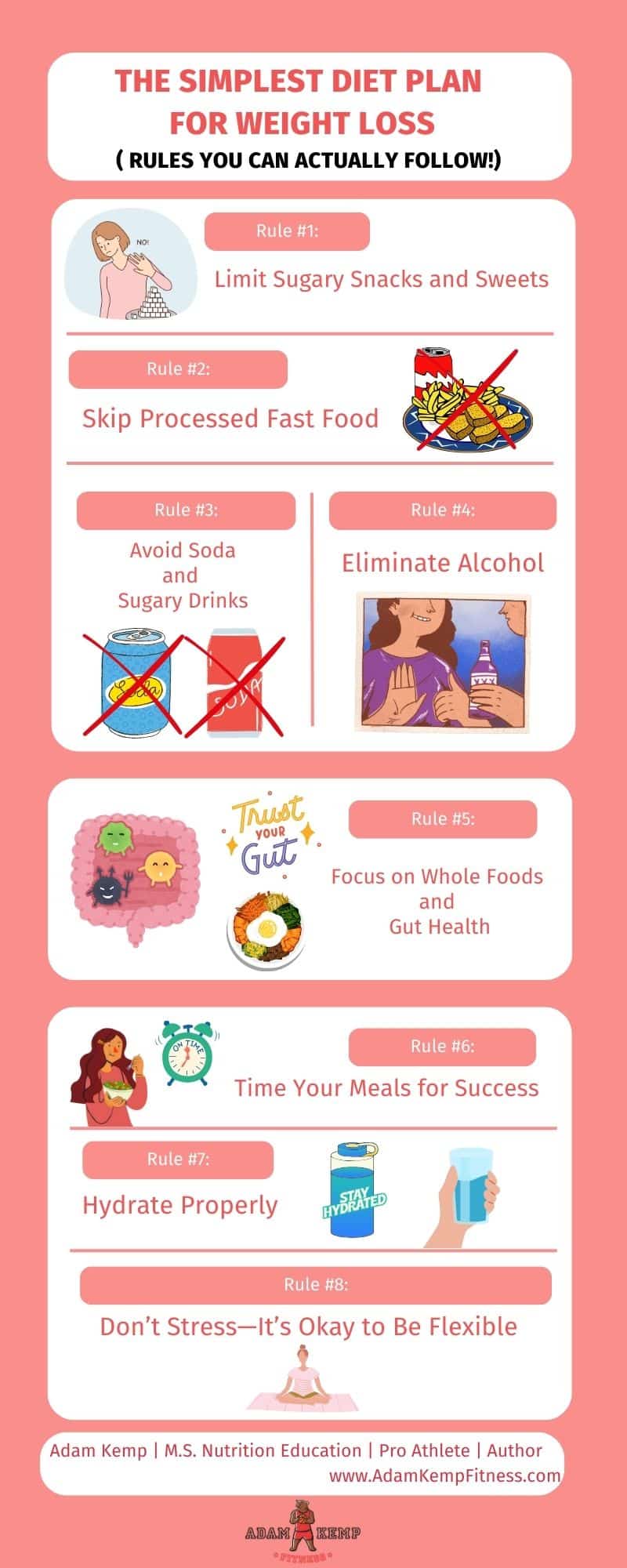
For sustainable results, pair GLP-1 treatments with healthy weight-loss habits, such as structured nutrition that prioritizes protein, fiber-rich whole foods, and adequate total energy intake.
Small, balanced meals combined with consistent hydration help support metabolic health, preserve muscle mass, and minimize common side effects such as nausea or weakness while using these medications.
Include Resistance Training and Exercise in Your Weight Loss Plan
Including resistance training alongside GLP-1 treatments is critical for preserving lean muscle mass, which is often overlooked in medication-assisted weight loss.
Research consistently shows that rapid or appetite-driven weight loss without strength training increases the proportion of muscle lost, which can negatively impact metabolic rate, strength, and long-term weight maintenance (Weinheimer et al., 2010).
Resistance training sends a strong physiological signal to retain muscle tissue even in a calorie-reduced state, helping ensure that most of the weight lost comes from fat rather than lean mass.
This is especially important with GLP-1 treatments, where reduced hunger can unintentionally lead to insufficient protein intake and lower overall training volume if exercise is not intentionally planned (Murphy et al., 2015).
Beyond body composition, resistance training improves insulin sensitivity, bone density, joint stability, and functional capacity, all of which support healthier aging and sustained weight management.
When combined with GLP-1 treatments, regular strength training and low-impact cardiovascular activity create a synergistic effect that supports fat loss while protecting long-term metabolic health (Strasser & Schobersberger, 2011).
For practical guidance on maintaining strength during medically supervised weight loss, discuss your lifting routine, protein intake, and any changes in energy or performance with your prescribing clinician.
Work With Your Provider
How GLP-1 treatments are prescribed and progressed should be individualized, since dosage, titration speed, and treatment duration vary widely based on medical history, tolerance, and weight loss response.
A slow, well-monitored approach often improves adherence while reducing the likelihood of gastrointestinal side effects or excessive appetite suppression.
Reaching out to your mounjaro provider or provider of any other GLP-1 treatment allows for informed discussions about current progress, side effects, and long-term goals, helping ensure that dosing decisions align with both safety and sustainability.
Coordinating care with your primary physician is equally important, particularly for monitoring lean mass, micronutrient status, and overall metabolic health, as prolonged appetite suppression can increase the risk of nutrient shortfalls if left unaddressed.
When it is time to taper or discontinue GLP-1 treatments, maintaining consistent nutrition, resistance training, and daily movement becomes critical.
These habits help control metabolic adaptations to weight loss, support appetite regulation, and significantly reduce the risk of weight regain once the medication is removed.
Be Mindful Of The Side-Effects
Side effects are most common when initiating GLP-1 treatments or increasing the dose, as the body adapts to slower digestion and altered appetite signaling.
Frequently reported symptoms include nausea, bloating, constipation, early satiety, and fatigue, which are generally dose-dependent and tend to improve as treatment continues (Drucker, 2018).
Many of these effects can be reduced through practical nutrition strategies, including eating smaller, protein-focused meals, limiting high-fat or greasy foods, and maintaining adequate fluid intake throughout the day.
Simple interventions such as ginger tea, mindful meal pacing, and sufficient electrolyte intake may further help manage nausea and low energy, particularly during the early weeks of treatment.
Experiencing side effects does not automatically indicate that a GLP-1 treatment is inappropriate, but persistent or severe symptoms warrant discussion with a healthcare provider.
Adjustments in dosing, timing, or titration speed can often improve tolerability while preserving the therapeutic benefits of the medication.
Final Thoughts: Should You Try GLP-1 Treatments for Weight Loss?

GLP-1 treatments can be a highly effective tool for weight loss, particularly for individuals who have struggled to achieve or maintain results through lifestyle changes alone.
The strongest evidence suggests these medications work best when viewed as metabolic support rather than a standalone solution, helping regulate appetite and blood sugar while creating space for sustainable behavior change (Wilding et al., 2021).
That said, GLP-1 treatments are not appropriate for everyone, and their success depends heavily on medical oversight, nutrition quality, resistance training, and long-term habit development.
Individuals willing to pair these therapies with structured eating, regular exercise, and ongoing provider support are far more likely to experience meaningful fat loss, preserve muscle mass, and maintain results after discontinuation.
For the right candidate, GLP-1 treatments can serve as a powerful bridge between intention and execution, but lasting weight loss still comes from consistent, health-focused behaviors that extend beyond the medication itself.
This website does not provide medical advice. This website site does contain affiliate links, and purchases may earn a commission.
Read my Medical Disclaimer, Review Disclaimer, and Publishing Policies for more details. Use of this site indicates acceptance of these terms.
Check Out Some of My YouTube Videos Below, and Please Follow on YouTube for More Educational Health and Fitness Content!
![Subscribe to @AdamKempFitness for more training, general health, recovery, and nutrition tips from a professional basketball player with a master’s degree in Nutrition Education! 🏀💪
Seated Max Vertical Jumps From a Box are one way I train explosive takeoff power with maximum intent on every rep.
Starting seated, with a pause and minimal rocking or dipping, reduces the contribution of a quick countermovement and emphasizes producing force from a relatively static position (National Strength and Conditioning Association [NSCA], 2020).
For athletes, the training goal is explosive lower-body force production and coordinated extension through the hips, knees, and ankles. I use this variation to practice driving hard into the floor and accelerating my body upward.
My preferred setup: 3 sets of 3 reps or 4 sets of 2 reps, supersetted with a strength or power exercise.
I keep the reps low, reset between jumps, and take longer rest periods so I’m ready to attack every takeoff. Even when pairing exercises, I give myself enough recovery to keep the jumps sharp.
Every rep has one goal: jump as high as possible. I focus on an explosive takeoff, a controlled landing, and consistent quality throughout the session.
Save this for your next power workout! 🚀
Reference: NSCA. (2020). Stretch-shortening cycle.
#VerticalJump #JumpTraining #ExplosivePower #AthleticPerformance #BasketballTraining](https://www.adamkempfitness.com/wp-content/plugins/feeds-for-youtube/img/placeholder.png)