Creatine for Weight Loss: Does Creatine Help with Weight Loss?
 Reading Time: 7 minutes
 Taking creatine for weight loss may sound counterintuitive since it’s most often associated with muscle gain, athletic performance, and strength training.
However, scientific evidence increasingly supports the idea that creatine can indirectly aid in fat reduction by helping you build lean muscle and boost your metabolism (Forbes et al., 2019).
By improving muscular energy through enhanced ATP regeneration, creatine allows you to train harder, recover after workouts faster, and burn more calories both during and after workouts.
While it may cause short-term water retention, this is temporary and not reflective of increased body fat.
For individuals focused on achieving a leaner, stronger physique, using creatine for weight loss can be a powerful addition to a supplement stack for cutting weight and getting leaner.


Last update on 2026-01-27 / This article includes affiliate links/Images via Amazon Product Advertising API. I may earn commissions on purchases made through these links.
What is Creatine?
Creatine is a naturally occurring compound found primarily in muscle cells, and there are many health benefits to taking creatine supplements.
It is synthesized in the liver, kidneys, and pancreas and is also ingested through dietary sources such as red meat and fish.
In the body, creatine combines with phosphate to form phosphocreatine, which plays a crucial role in producing adenosine triphosphate (ATP), the primary energy carrier in cells.
This process is particularly vital during short bursts of high-intensity activities, such as weightlifting or sprinting.
What Does Creatine Do?
- Creatine Intake: You consume creatine either through diet (e.g., red meat, fish) or supplements.
- Stored in Muscles: The ingested creatine is stored in your muscles.
- Forms Phosphocreatine: In the muscles, creatine combines with phosphate to form phosphocreatine.
- ATP Regeneration: During high-intensity exercise, phosphocreatine helps regenerate ATP (adenosine triphosphate), the primary energy carrier in cells.
- Enhanced Performance: Increased ATP availability allows for sustained muscle contractions, leading to improved performance and the ability to train harder and longer.
- Increased Muscle Mass: Enhanced performance and recovery contribute to greater muscle gains, which in turn elevates your basal metabolic rate (BMR) and aids in fat loss.
Creatine functions by increasing the phosphocreatine stores in your muscles.
During high-intensity exercise, phosphocreatine helps regenerate ATP, allowing for sustained muscle contractions and improved performance.
The enhanced ATP production enables you to train harder and longer, leading to greater muscle gains over time.
Additionally, creatine supports muscle recovery by reducing muscle cell damage and inflammation, further contributing to increased strength and muscle mass.
By boosting muscle growth, creatine indirectly aids in fat loss, as a higher muscle mass elevates your basal metabolic rate (BMR), making it easier to burn calories even at rest.
Benefits of Creatine for Weight Loss
Creatine for weight loss works indirectly by improving muscle mass, exercise performance, and energy metabolism, all of which contribute to enhanced fat-burning potential.
Although creatine is not a thermogenic or stimulant-based supplement, it plays a critical role in shaping the conditions your body needs to lose fat efficiently and sustainably.
Increased Muscle Mass Raises Basal Metabolic Rate (BMR)
Muscle tissue is metabolically active, meaning it requires more energy to maintain than fat tissue.
The more muscle you have, the higher your basal metabolic rate (BMR), which is the number of calories your body burns at rest.
Creatine supports muscle hypertrophy, which gradually elevates BMR and daily calorie expenditure.
A 2014 study found that creatine supplementation combined with resistance training led to significantly greater increases in lean body mass compared to training alone, enhancing long-term fat-burning potential (Devries & Phillips, 2014).
Consistent creatine use leads to further improvement in body composition by increasing lean body mass while reducing fat mass over time.
The improved muscle-to-fat ratio enhances metabolism, insulin sensitivity, and overall energy utilization.
Enhanced Training Intensity Promotes Greater Calorie Burn
Creatine increases phosphocreatine stores in muscles, which helps regenerate adenosine triphosphate (ATP), which is the body’s primary source of energy during high-intensity exercise.
With more available ATP, you can train harder, perform more repetitions, and increase total training volume, all of which boost calorie expenditure during and after workouts.
Research published in the Journal of the American Dietetic Association demonstrated that creatine supplementation significantly improved short-term, high-intensity performance and muscular endurance, enabling participants to burn more total calories during exercise sessions (Volek et al., 1997).
Faster Muscle Recovery Supports Consistent Fat Loss
Recovery plays a vital role in sustainable fat loss.
Overtraining without proper recovery leads to hormonal imbalance and reduced workout output.
Creatine has been shown to reduce markers of muscle cell damage and inflammation, helping athletes recover faster and maintain consistent exercise intensity throughout the week.
A randomized controlled trial published in the Journal of the International Society of Sports Nutrition found that creatine supplementation reduced muscle soreness and inflammation following exhaustive resistance exercise, allowing participants to return to training sooner and maintain higher weekly energy expenditure (Cooke et al., 2009).
How to Use Creatine Supplements for Weight Loss
If you want to use creatine for weight loss, I suggest you begin by taking 3-5 grams of creatine monohydrate daily for 6-8 weeks.
For the best results, you should pair creatine with consistent resistance training and cardio exercises.
Additionally, you should maintain a balanced diet rich in protein, healthy fats, and complex carbohydrates to support muscle growth and recovery.
Lastly, it is crucial that you drink plenty of water as creatine increases your body’s need for fluids.
In addition to water, you can drink herbal tea, coconut water, or low-calorie natural sports drinks like Prime Hydration or Gatorade Fit.
If you are new to creatine supplements, it is also important for you to know that creatine monohydrate supplements are considered the best due to the extensive research backing their effectiveness and safety.
They are highly bioavailable, ensuring efficient absorption and utilization by the body.
Additionally, creatine monohydrate is the most cost-effective form, providing excellent value while delivering proven results in enhancing muscle mass, strength, and performance.
My favorite option is Optimum Nutrition Micronized Creatine Monohydrate.
Last update on 2026-01-27 / This article includes affiliate links/Images via Amazon Product Advertising API. I may earn commissions on purchases made through these links.
Addressing Common Concerns About Taking Creatine When Trying to Lose Weight
Although creatine can help your workouts and improve your muscle-building ability, people who are trying to lose weight may have some concerns before taking creatine.
Initial Weight Gain
One common concern when starting creatine supplementation is the initial weight gain due to water retention.
When you first begin taking creatine, your muscles draw in more water, which can cause a temporary increase in body weight and a fuller appearance.
This is normal and not indicative of fat gain.
The water retention is primarily in the muscles, which can actually enhance their appearance and function.
Long-term Benefits vs. Short-term Effects
While the short-term water retention might be a minor inconvenience, the long-term benefits of creatine for weight loss far outweigh this temporary effect.
The increased muscle mass and strength gains facilitated by creatine support a higher basal metabolic rate (BMR), aiding in more efficient weight loss over time.
By improving your ability to train harder and recover faster, creatine contributes to sustained improvements in body composition, making it a valuable supplement for anyone focused on long-term fat loss and fitness goals.
Can You Take a Creatine Supplement When Trying to Lose Belly Fat?

If you want to lose belly fat but are concerned about taking a creatine supplement, don’t worry!
Creatine is a valuable supplement for those looking to lose belly fat because it can help with building muscle and increasing basal metabolic rate.
Although initial water retention might cause slight weight gain, this effect is temporary and outweighed by the benefits of increased strength and muscle mass.
By combining creatine with consistent exercise, proper nutrition, and hydration, you can effectively enhance your weight loss journey and achieve an aesthetic body!
Last update on 2026-01-27 / This article includes affiliate links/Images via Amazon Product Advertising API. I may earn commissions on purchases made through these links.
Final Thoughts: Does Creatine Help with Weight Loss?
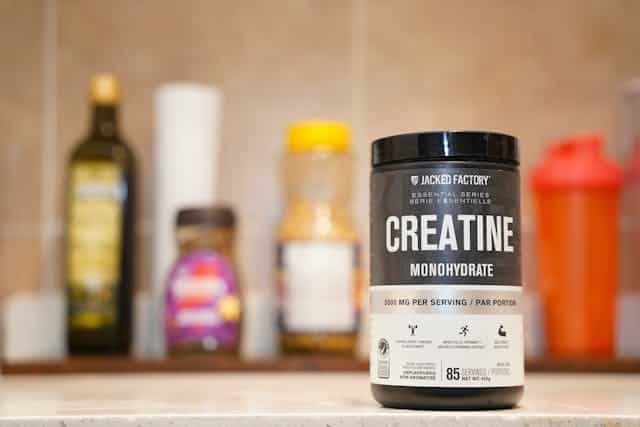
Creatine is not a quick-fix fat burner, but it’s a scientifically supported supplement that helps you reshape your body composition through improved muscle growth, strength, and metabolic efficiency.
The more lean muscle you build, the higher your basal metabolic rate becomes, allowing your body to burn more calories at rest and during exercise.
Research consistently shows that creatine improves energy availability, increases training performance, and accelerates recovery, all of which contribute to greater long-term fat loss potential.
While temporary water retention can occur when you first start supplementing, this effect is not related to fat gain and typically subsides as your body adapts.
In my experience as a professional basketball player and nutrition educator, creatine monohydrate remains one of the most reliable and cost-effective supplements for improving body composition.
When paired with consistent strength training, balanced nutrition, and proper hydration, using creatine for weight loss can be an excellent idea if you want a leaner, stronger, and healthier physique.
Read Next: Does Creatine Make You Gain Weight?
This website does not provide medical advice. This website site does contain affiliate links, and purchases may earn a commission.
Read my Medical Disclaimer, Review Disclaimer, and Publishing Policies for more details. Use of this site indicates acceptance of these terms.