
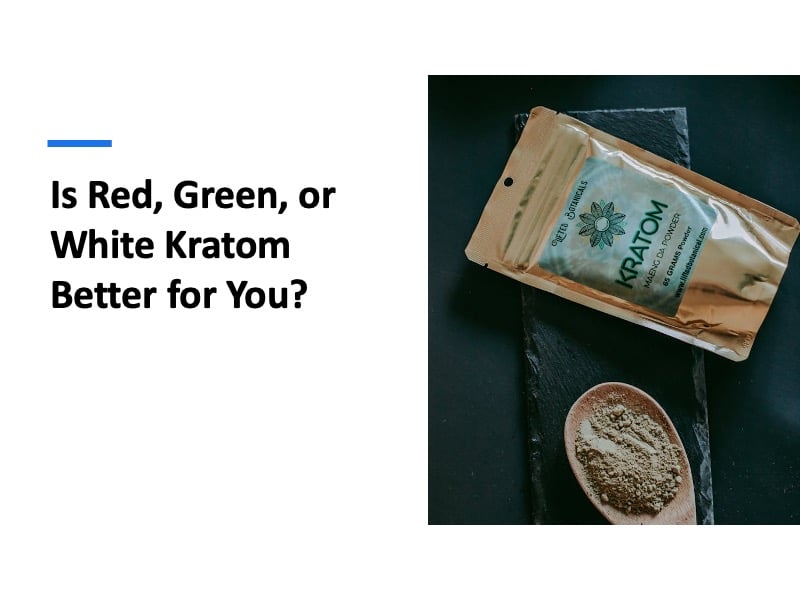
Is Red, Green, or White Kratom Better for You?
 Reading Time: 6 minutes
 If you’ve ever walked into a shop or browsed online for kratom, you know how overwhelming it can feel.
The labels sound exotic: Red Bali, Green Malay, White Thai.
But what do they actually mean? And how do you know which one will give you the experience you’re looking for?
Kratom (Mitragyna speciosa), a tropical plant native to Southeast Asia, has become popular for its ability to support energy, focus, or relaxation depending on the strain.
But that color-coded label on the bag is more than just marketing; it’s a clue to how the plant might affect you.
This article contains a kratom strains chart that will help you analyze the differences between red, green, and white kratom so you can make the choice that actually fits your needs.
Disclaimer: The information provided in this article is for educational purposes only and should not be considered medical advice. Kratom’s effects can vary widely depending on individual biology and dosage, and its safety and legality differ by location. Always consult a qualified healthcare professional before using kratom or any new supplement.
What is Kratom?

Kratom (Mitragyna speciosa) is a tropical tree native to Southeast Asia, particularly Thailand, Indonesia, and Malaysia.
Its leaves contain natural alkaloids, mainly mitragynine and 7-hydroxymitragynine, which can produce stimulating or calming effects depending on the dose and strain.
Traditionally brewed as tea or chewed, kratom has gained global popularity as a botanical supplement for energy, mood, and relaxation support.
Why Do People Use Kratom?
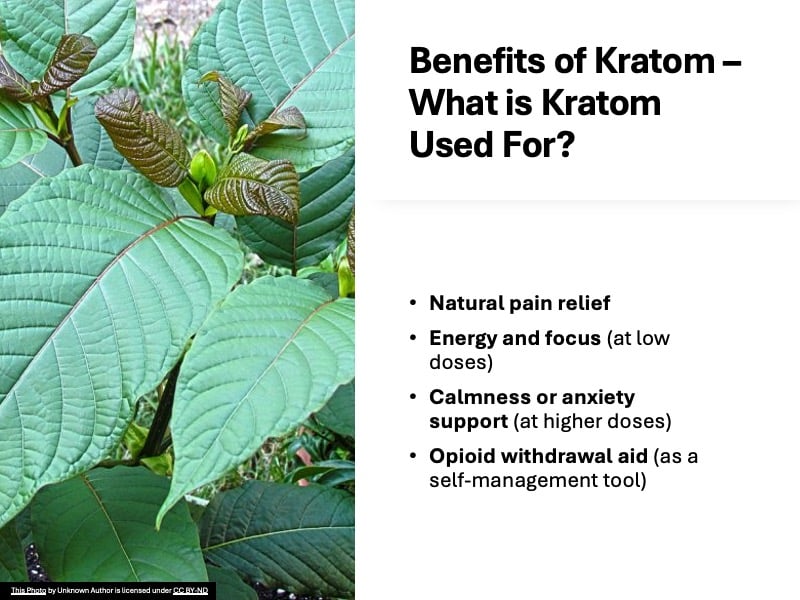
People use kratom for a variety of reasons, often depending on the strain and dosage.
Some individuals seek its stimulating effects to boost energy, focus, and motivation, while others use it for calming or pain-relieving properties that may support relaxation and stress reduction.
Many also turn to kratom as a natural alternative for mood enhancement or to ease discomfort, though research on its safety and long-term effects remains limited
What’s the Difference Between Red, Green, and White Kratom?
When kratom vendors refer to “red vein,” “green vein,” or “white vein,” they’re not about food dyes; those color labels stem from leaf vein appearance plus post-harvest processing techniques (e.g., drying, fermentation) that influence alkaloid composition.
- Red vein kratom is often dried longer or with more sunlight exposure; anecdotal reports suggest it delivers more calming, sedative, or wind-down effects.
- Green vein claims a “middle ground” profile, combining mild stimulation with relaxation support, and is often marketed as “balanced energy.”
- White vein is typically dried under gentler conditions (less direct sun or shorter drying time); some users associate it with brighter, more alert, uplifting effects.
Yet, here’s the caveat: scientific validation is limited.
A recent study found that many strain-color claims are not reliably substantiated by chemical analysis or controlled trials (i.e., color-based marketing effects remain largely anecdotal) (Huisman et al., 2023).
Also, internal alkaloid variation is profound: one strain may contain 24 detectable alkaloids; another only 11, depending on region, soil, and processing methods (Boffa et al., 2018).
Important Caveats:
- Batch-to-batch variability is real. Factors like climate, soil composition, harvest time, and drying methods shift alkaloid profiles.
- Your body chemistry matters. A “balanced green” strain for one person could feel overstimulating for another.
- Expectations bias plays a role. Some users may perceive effects aligned with marketing labels because they expect them, regardless of actual alkaloid differences (i.e., placebo or confirmation bias) (noted in narrative reports) (Smith et al., 2023).
How to Choose a Kratom Strain for Your Goal
A practical way to narrow your options is to match the time of day and desired effect to a color family.
Think of it like choosing tea, you don’t grab chamomile first thing in the morning unless you want to nap.
- Morning or mid-day “get-things-done” window: Start with white or a brighter green. Many beginners searching for best kratom strain for focus find a gentle green is ideal because it keeps them productive without feeling jittery.
- Afternoon balance, long to-do list: Green strains often hit that middle ground, helping you stay collected without tipping too far toward stimulation or sedation.
- Evening unwind, quieter routine: This is when red strains shine. They’re often chosen for their relaxing properties and are a popular favorite for people looking to smooth out their evening routine.
Names like “Bali,” “Maeng Da Kratom,” “Borneo,” or “Malay” denote regional style or vendor blends, not hard-and-fast effects.
Treat them as starting points rather than guarantees.
When you read reviews, look for patterns across many users rather than one enthusiastic comment.
If you want to compare these color families side by side, look for brands that offer all three types and provide clear, third-party lab results.
Product lines such as Super Speciosa make this easy by offering consistent red, green, and white vein varieties under the same testing standards, so you can experiment and find the best fit for your needs with confidence.
Forms: Powder, Capsules, or Tea?
Kratom drinks and other forms of consumption each offer unique ways to experience the plant’s effects.
Whether you prefer traditional tea, easy-to-use capsules, or raw powder, the delivery method can significantly influence how quickly and intensely kratom affects you.
- Powder mixes into smoothies or warm water; you can measure precisely but the taste is earthy.
- Capsules hide the flavor and are convenient for travel; dosing is simpler but less flexible.
- Tea (steeped leaf/powder) is easy on the stomach for some, though strength can vary.
- Extracts are concentrated; newcomers are better off skipping these until they understand their response to regular powder.
How Much Kratom to Start With?
There isn’t a universal dose because weight, metabolism, and sensitivity all matter. If you’re brand-new, start low and go slow:
- Begin around 1–2 grams of powder (or the equivalent in capsules).
- Wait 60–90 minutes to evaluate before considering more.
- Hydrate, as kratom can be drying.
- Avoid mixing with alcohol, sedatives, or other substances.
- Do not drive or operate machinery until you know how you respond.
If you take prescription medications or manage health conditions, talk with your clinician first.
Kratom can interact with other compounds (especially those affecting the liver or central nervous system).
Reading Labels Like a Pro: Quality, Testing, and Clean Sourcing
With botanicals, quality control is everything. A responsible purchase checklist:
- Third-party lab results (COA): Look for tests covering identity, alkaloid levels (e.g., mitragynine), microbial safety, heavy metals, and adulterants.
- Lot numbers and dates: Fresh inventory and traceability matter.
- GMP practices: Vendors following Good Manufacturing Practices have documented processes for cleanliness and consistency.
- Clear strain/type naming: Avoid mystery blends with vague labels.
- Real customer support: A human who can answer questions is a good sign.
If you’re researching “third-party lab tested kratom” or “kratom capsules vs powder,” prioritize brands that treat quality as non-negotiable and share data, not just marketing claims.
Final Thoughts: Should You Use Red, Green, or White Kratom?
Choosing between red, green, or white kratom isn’t about finding the “strongest” strain; it’s about discovering which one best aligns with your goals and daily rhythm.
Start with a small amount, track how your body responds, and always choose products from transparent brands that provide verified third-party lab testing.
For most beginners, a mild green strain during the day and a gentle red strain in the evening offer a balanced way to explore kratom’s potential.
Once you understand your tolerance and preferences, you can gradually experiment with white strains for enhanced focus or alertness.
Stay patient, prioritize quality, and remember that consistency and mindfulness, not intensity, lead to the best long-term results.
This website does not provide medical advice. This website site does contain affiliate links, and purchases may earn a commission.
Read my Medical Disclaimer, Review Disclaimer, and Publishing Policies for more details. Use of this site indicates acceptance of these terms.