
How to Recover After Workouts Faster
 Reading Time: 5 minutes
 Learning how to recover after workouts is just as important as the training itself.
Exercise challenges your body by breaking down muscle fibers and draining energy reserves, but the real progress happens afterward when your body repairs, adapts, and grows stronger.
Without effective recovery, even the most intense workouts can leave you feeling sore, drained, and vulnerable to injury.
The good news is that science-backed post-workout recovery strategies, ranging from nutrition and hydration to stretching, rest, and active recovery, can help speed up muscle recovery after workouts and have you feeling ready for your next session.
By making recovery a priority, you’ll not only improve performance and reduce soreness but also build a stronger foundation for long-term health and fitness.
As a professional basketball player with over a decade of experience and a Master’s degree in Nutrition Education, I’ve learned a wide variety of evidence-based strategies for speeding up recovery and keeping the body performing at its best.
In this article, you’ll learn practical, evidence-based methods for how to recover after workouts in a smarter, more efficient way.
What Helps Sore Muscles After Workouts?
After a tough workout, muscle pain is almost inevitable.
That soreness or stiffness you feel a day or two later, often called delayed onset muscle soreness, is a natural sign that your muscles are repairing and getting stronger.
While this process is normal, the discomfort can make it hard to stay consistent with your training or push yourself in the next session.
That’s why post-workout recovery strategies matter just as much as the workout itself.
Simple steps like stretching, foam rolling, or taking a warm shower can ease some of the tension, but they often don’t provide enough relief on their own.
The muscle recovery pyramid is a straightforward approach to understanding what matters most when it comes to recovering from exercise.
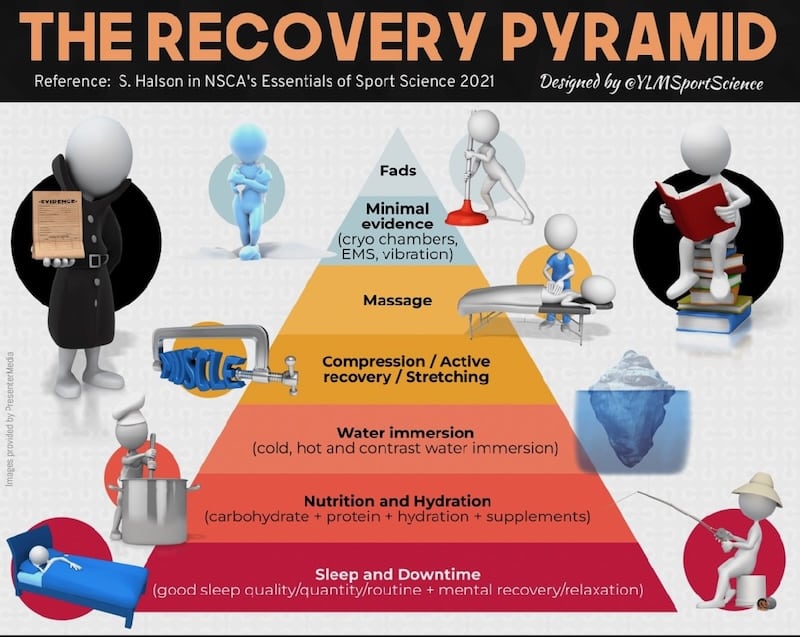
At the base are sleep, nutrition, and hydration, which are thethe true foundations of post-workout recovery.
If these aren’t in place, other strategies, such as stretching, foam rolling, or massage, become far less effective.
Once the basics are covered, you can layer in targeted tools and techniques to alleviate soreness and facilitate more efficient muscle repair.
Many athletes turn to a pain cream for sore muscles because it reduces stiffness and improves circulation where recovery is needed most.
When applied to sore spots, these creams provide a cooling or warming effect that eases tension and boosts blood flow.
The focused relief shortens recovery time and makes it easier to stay consistent with training.
By combining these recovery methods, you can ease soreness more effectively and keep your body primed for consistent progress.
Rest, Sleep and Active Recovery
The foundation of how to recover after workouts always begins with sleep.
Quality rest allows your body to release growth hormone, repair muscle fibers, and restore energy.
Without it, even the most structured workout program will feel harder and less productive.
Aim for 7–9 hours of deep sleep each night and maintain good sleep hygiene to maximize recovery.
Active recovery is another essential piece of the process.
Light activities, such as mobility work, swimming, or walking, increase blood flow, reduce stiffness, and accelerate healing.
When combined with adequate rest, active recovery ensures your muscles adapt properly and sets the stage for long-term consistency.
Nutrition for Faster Recovery
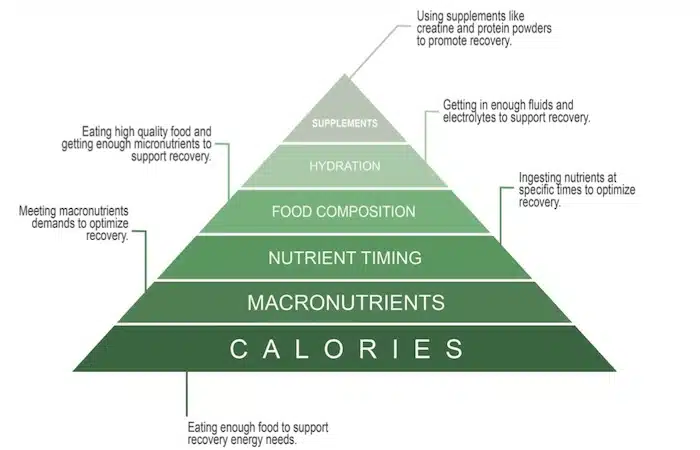
Nutrition is the next critical step in how to recover after workouts effectively.
After exercise, your muscles burn through glycogen and develop microtears that need nutrients to repair.
Eating a balanced meal or snack within an hour post-workout supports faster healing and energy restoration.
The ideal recovery meal consists of lean protein, such as chicken, fish, or tofu, paired with complex carbohydrates like brown rice or quinoa.
Protein supplies amino acids for muscle repair, while carbs replenish glycogen stores.
Adding fruits and vegetables provides antioxidants that help reduce inflammation and accelerate recovery.
With the right nutrition, your body repairs faster and feels stronger for your next session.
Hydration and Recovery Drinks
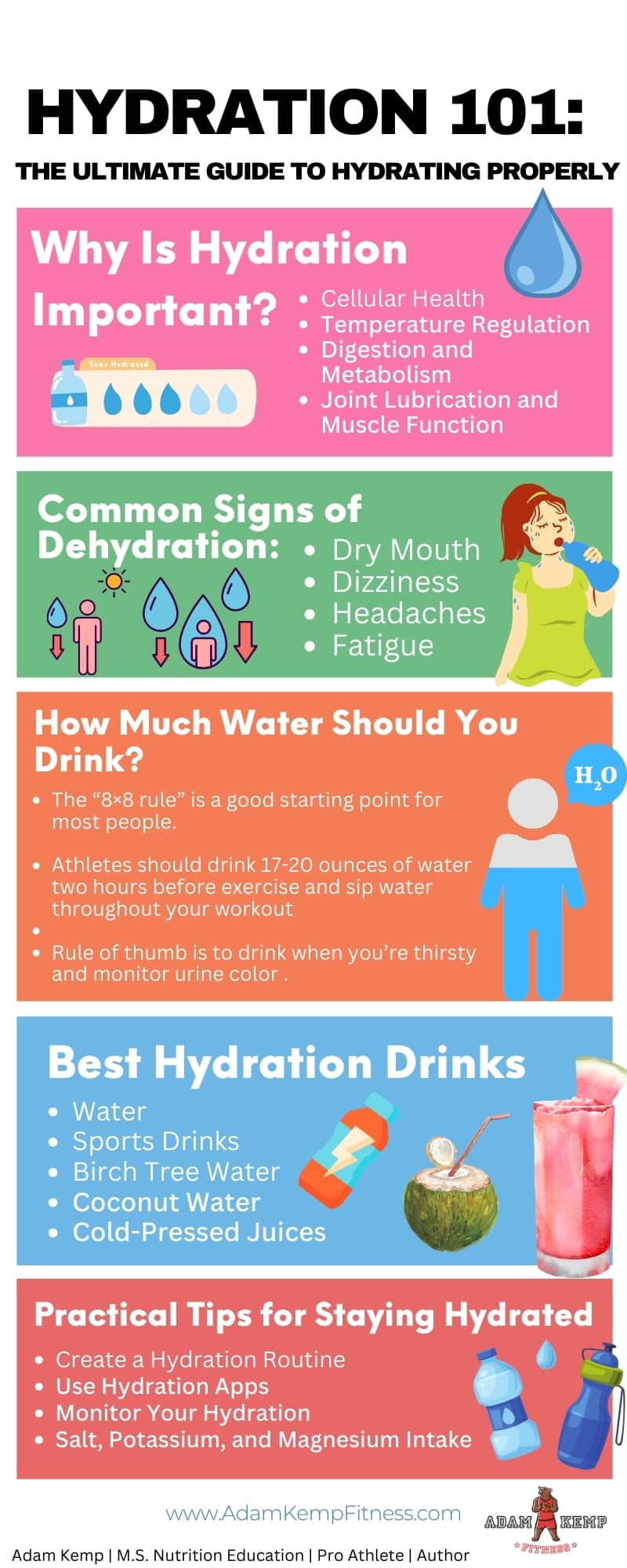
Hydration is often underestimated when thinking about how to recover after workouts, but it plays a vital role in every recovery process.
Water helps transport nutrients, regulate body temperature, and flush out metabolic byproducts that accumulate during exercise.
Without proper hydration, muscle repair slows, and fatigue lingers longer.
While water is usually enough, endurance or high-intensity workouts may require electrolyte replacements.
Sports drinks, coconut water, or tart cherry juice can help replenish minerals and offer anti-inflammatory benefits.
Prioritizing hydration ensures your muscles feel energized and supports a quicker, more complete recovery.
Stretching and Mobility Work
Stretching and mobility exercises are supportive strategies for anyone learning how to recover after workouts more efficiently.
These methods help restore muscle length, improve flexibility, and reduce the stiffness that often follows intense training.
Spending 10–15 minutes on static stretches or mobility drills with resistance bands can help loosen your body and make you feel better prepared for your next workout.
While not as foundational as sleep, nutrition, or hydration, mobility work is a valuable complement that enhances overall performance and helps prevent injuries.
Final Thoughts: How to Build a Strong Routine to Recover Faster After Workouts
Learning how to recover after workouts comes down to building a consistent routine that prioritizes the basics first.
Sleep, nutrition, and hydration form the foundation, while active recovery, stretching, and targeted recovery tools can help you feel even better between sessions.
By addressing recovery from the bottom up, you give your body the best chance to heal, adapt, and grow stronger.
Research supports this approach, as athletes who combined sleep optimization, balanced nutrition, and hydration strategies consistently showed improved muscle repair, reduced fatigue, and better overall performance compared to those who neglected these foundations (Walsh et al., 2020).
Recovery isn’t just a supplement to training; it’s an essential part of long-term progress.
When you put the same focus into recovery as you do into your workouts, you’ll notice faster results, fewer injuries, and more energy to keep pushing forward.
Take care of your recovery today, and your performance tomorrow will thank you!
This website does not provide medical advice. This website site does contain affiliate links, and purchases may earn a commission.
Read my Medical Disclaimer, Review Disclaimer, and Publishing Policies for more details. Use of this site indicates acceptance of these terms.