How to Get Rid of Unwanted Pounds and Improve Your Health
 Reading Time: 5 minutes
 Learning how to get rid of unwanted pounds involves a commitment to consistency, mindfulness, and evidence-based strategies.
Sustainable weight loss happens when lifestyle habits such as regular physical activity, balanced nutrition, and stress management align with your body’s unique needs.
For example, research published in The Journal of the Academy of Nutrition and Dietetics found that combining moderate-intensity exercise with dietary adjustments leads to significantly greater long-term weight reduction compared to either strategy alone (Johns et al., 2014).
This highlights that lasting results come from holistic lifestyle changes, not quick fixes.
Whether you’re starting your fitness journey or refining your current routine, the key lies in patience and structure.
By setting realistic goals, tracking your progress, and maintaining consistent healthy habits, you’ll gradually learn how to get rid of unwanted pounds in a way that feels natural and sustainable.
4 Effective and Sustainable Ways to Get Rid of Unwanted Pounds

Lasting weight loss requires strategies that go beyond crash diets and short-term fixes.
Sustainable results come from building healthy habits for weight loss that support your metabolism, improve energy balance, and promote overall well-being.
These four evidence-based approaches can help you get rid of unwanted pounds safely and effectively while maintaining your progress long-term.
Your Food Intake

Diet is the most critical factor in getting rid of unwanted pounds because it’s the most effective way to control your energy balance, which is the relationship between calories consumed and calories burned.
By managing your food intake, you can create a consistent calorie deficit that helps you lose weight fat loss while still fueling your body for optimal health and performance.
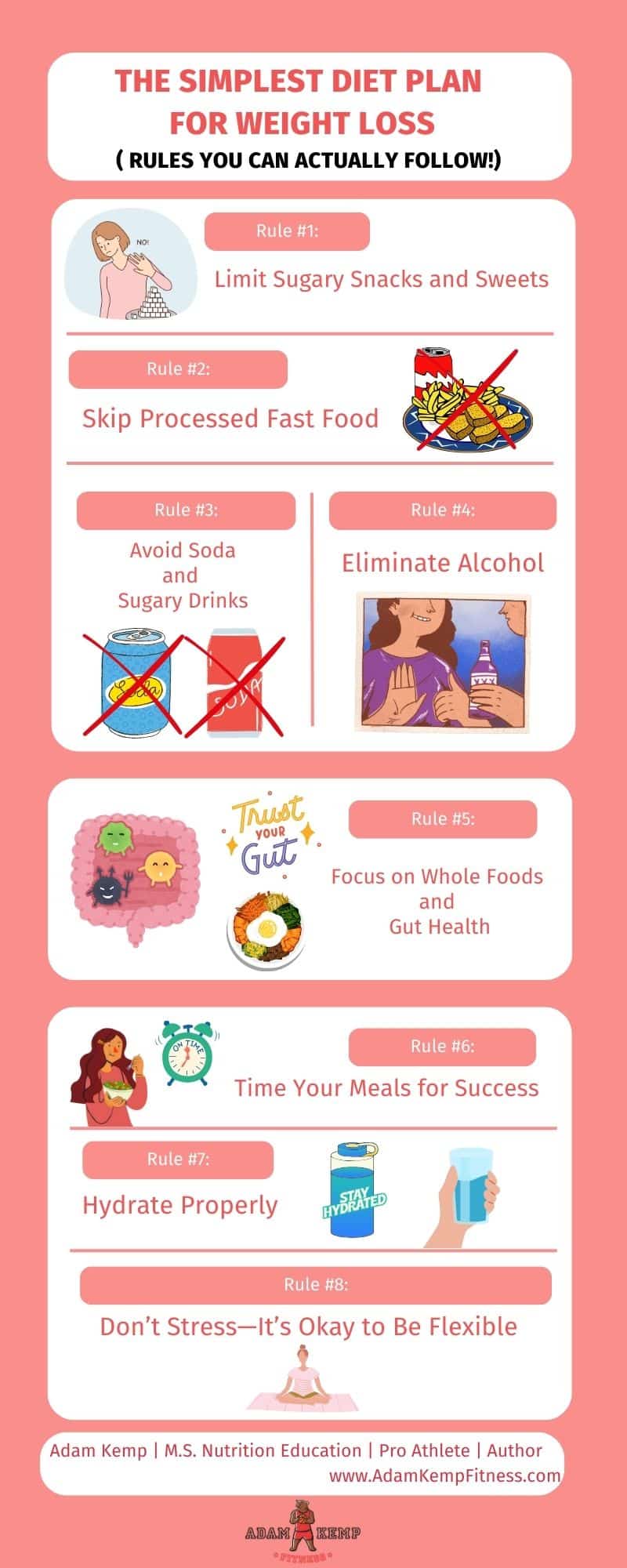
There are many effective weight loss diet plans to choose from, but one universal truth is that eating processed foods and excess sugar will slow your progress and make it harder to shed unwanted pounds, even if you’re exercising regularly.
Cooking at home and tracking your food intake are helpful because they allow you to know exactly what is going into your body.
A food journal will allow you to see your eating habits and patterns, helping you identify areas for improvement.
You may think twice before having dessert if you have to write it down.
It’s also a good idea to eat more lean protein before and after workouts and be mindful of your liquid calories.
Incorporate Exercises that Increase Heart Rate
Once your diet is in place, begin by committing to getting regular cardio and aerobic exercise.
Your goal is to get your heart rate up and break a sweat.
Mix it up by doing a variety of activities that are enjoyable and work different muscle groups.
For example, some days you may want to go for a run, while other times you may prefer swimming or a bike ride.
Aim to get roughly 150 minutes of moderate to intense aerobic exercise each week.
Pro Tip: It may help to identify an accountability partner so that you stay motivated to move daily.
Focus on Building Muscle
Another tip to shed unwanted pounds and increase fitness is to focus on building muscle mass.
Building muscle supports weight loss by increasing your resting metabolic rate, meaning your body burns more calories even when you’re not exercising.
Muscle tissue is metabolically active, so the more lean mass you develop, the more efficiently your body uses energy, helping reduce overall body fat and improve long-term weight management (Wolfe, 2006).
To build muscle, incorporate strength training into your exercise routine, and add reps and sets as you become stronger over time.
You can also experience fat loss and lean muscle mass by purchasing Anavar online and taking it as recommended, although FDA-approved forms of Anavar (oxandrolone) have been discontinued and are no longer available in the United States.
If you aren’t able to hit the gym, then do some push-ups and squats at home in your free time.
Doing some strength training at least twice per week will allow you to maintain muscle mass, while three to four sessions per week will help you build muscle mass.
Manage Chronic Stress & Get Enough Sleep
Sleep is important for optimal functioning and regulating your metabolism.
It will also allow your muscles to recover after working out.
Try to get roughly seven to nine hours of quality sleep each night and take rest days off from exercise.
Rest and recovery will prevent injuries and allow you to have better workouts when it’s time to move your body.
Additionally, proactively manage chronic stress so that you don’t emotionally overeat.
If you are stressed out, you may feel less motivated to live a healthy lifestyle and hit the gym.
Stress can also increase cortisol levels, making it more difficult to shed unwanted pounds.
Final Thoughts: Keys to Shedding Unwanted Pounds for Good

Long-term weight loss success depends on consistency, balance, and a willingness to adapt your habits over time.
Combining structured exercise, mindful nutrition, adequate sleep, and effective stress management creates a foundation for sustainable progress.
The most important key is patience, as true transformation comes from steady effort, not extreme measures.
By staying consistent and focusing on overall health rather than rapid results, you’ll not only get rid of unwanted pounds but also improve your energy, mood, and longevity.
This website does not provide medical advice. This website site does contain affiliate links, and purchases may earn a commission.
Read my Medical Disclaimer, Review Disclaimer, and Publishing Policies for more details. Use of this site indicates acceptance of these terms.