How to Gain Weight in a Healthy Way
 Reading Time: 6 minutes
 Understanding how to gain weight is just as important as learning how to lose it, especially for individuals recovering from illness, injury, prolonged stress, undernutrition, or periods of intense physical demand such as athletics.
Research consistently shows that being underweight is associated with increased risk of impaired immune function, hormonal disruption, reduced bone density, and higher all-cause mortality, particularly when weight loss occurs unintentionally (Kelly et al., 2010; Seidell et al., 1996).
People may need to gain weight for many reasons, including recovery from trauma or surgery, management of chronic disease, age-related muscle loss, disordered eating recovery, or the desire to rebuild strength and lean mass after extended caloric deficits.
In athletic and physically active populations, inadequate body mass can impair performance, slow recovery, and increase injury risk due to insufficient energy availability and reduced muscle tissue (Mountjoy et al., 2018).
However, the distinction between weight gain and healthy weight gain is critical.
Rapid increases driven by ultra-processed foods and excess sugar may raise body weight but often worsen insulin sensitivity, inflammation, and cardiovascular risk without restoring functional tissue like muscle or bone (Hall et al., 2019).
In contrast, structured nutrition and resistance training support gains in lean mass, metabolic health, and long-term resilience.
A thoughtful, evidence-based approach that prioritizes nutrient density, hormonal health, and progressive strength training ensures that added weight contributes to strength, vitality, and recovery rather than long-term health complications.
Key Takeaway: Learning how to gain weight the right way protects both short-term performance and long-term well-being.
Healthy Ways to Gain Weight

Healthy ways to gain weight focus on improving body composition, metabolic health, and long-term resilience rather than simply increasing the number on the scale.
Evidence shows that structured nutrition, resistance training, and adequate recovery promote gains in lean mass while reducing the risk of insulin resistance, inflammation, and poor cardiovascular outcomes often associated with low-quality weight gain (Hall et al., 2019; Mountjoy et al., 2018).
Build A Calorie-Dense Diet
A calorie-dense diet is one of the most effective strategies for healthy weight gain because it allows you to increase energy intake without dramatically increasing food volume.
Research shows that consistently eating larger portions alone often leads to digestive discomfort and poor adherence, whereas prioritizing energy-dense foods supports a sustainable caloric surplus with better long-term compliance (Hall et al., 2019).
Emphasizing healthy dietary fats such as olive oil, avocado, nuts, seeds, and full-fat dairy increases caloric intake while supporting hormonal health and nutrient absorption.
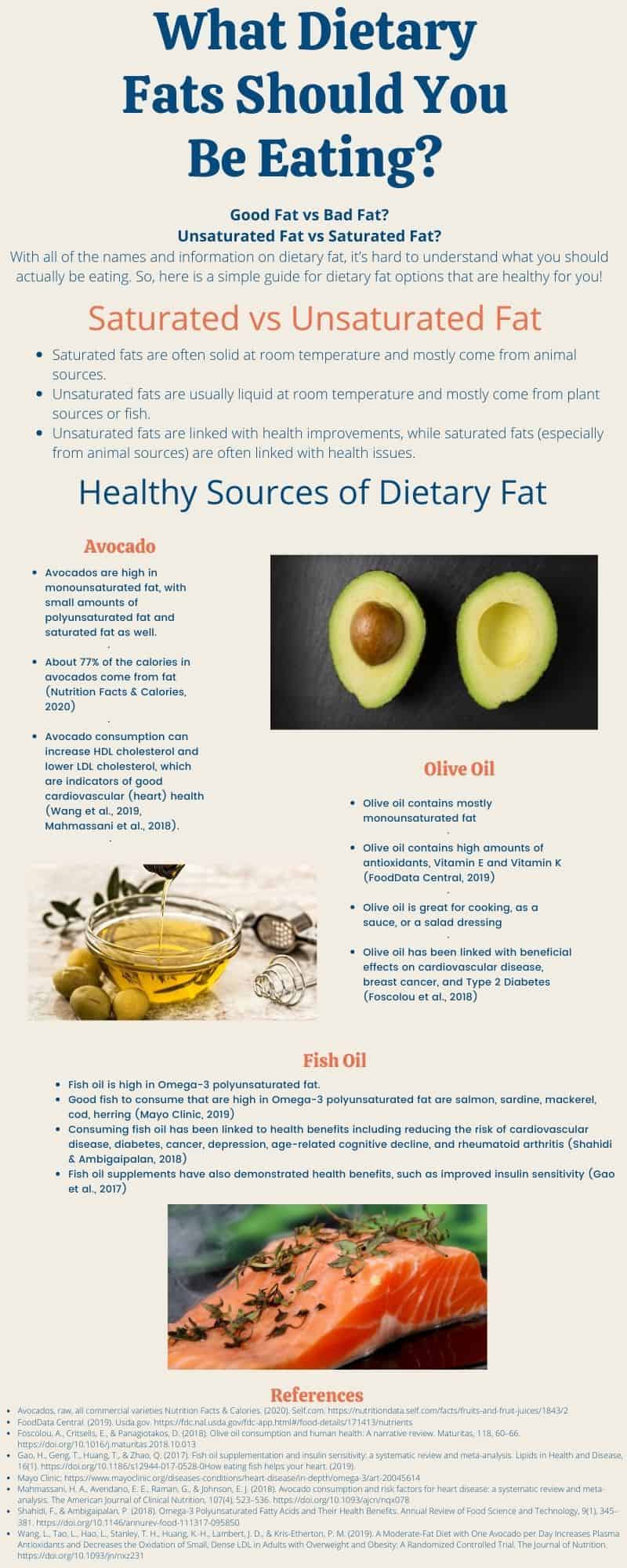
Pairing these fats with complex carbohydrates such as oats, rice, potatoes, and whole grains further supports muscle glycogen replenishment and training performance, which is critical when weight gain accompanies resistance training (Slater & Phillips, 2011).
In contrast, relying heavily on refined sugars and ultra-processed carbohydrates may increase body weight but is associated with poorer metabolic health and higher inflammation, undermining the goal of gaining weight in a healthy and functional way (Hall et al., 2019).
Build Muscle Through Resistance Training

Increasing calorie intake without resistance training primarily leads to fat mass gain rather than functional tissue.
Research consistently shows that progressive resistance training redirects excess calories toward skeletal muscle by stimulating muscle protein synthesis, improving insulin sensitivity, and increasing overall energy utilization (Phillips & Winett, 2010).
Structured strength training also enhances appetite regulation and nutrient partitioning, making it easier to sustain a caloric surplus without excessive fat accumulation.
For individuals aiming to gain weight in a healthy way, resistance training is essential for improving strength, metabolic health, bone density, and long-term physical resilience rather than simply increasing body weight (Westcott, 2012).
In rare clinical situations involving severe muscle wasting, chronic disease, or prolonged malnutrition, nutrition and resistance training alone may be insufficient to restore lean mass.
In these cases, some individuals explore pharmacological options, including searching for Anavar online, because anabolic steroids can increase nitrogen retention and muscle protein synthesis under specific medical conditions.
However, anabolic steroids carry well-documented risks, including hormonal suppression, cardiovascular strain, liver toxicity, and adverse lipid changes, particularly when used without medical oversight or for non-therapeutic purposes.
Current clinical guidance emphasizes that anabolic agents should be considered only under strict physician supervision, with clear medical justification and ongoing monitoring, and should never replace foundational strategies such as adequate nutrition, progressive resistance training, and recovery-focused care (Pope et al., 2014).
Use the Right Supplements
Supplements can support healthy weight gain when they complement, rather than replace, a calorie-dense diet and structured resistance training.
Evidence consistently shows that targeted supplementation helps close nutritional gaps, improves training adaptations, and supports lean mass gains when total energy intake is sufficient (Phillips & Van Loon, 2011).
Protein supplements, such as whey or casein, are among the most effective tools for weight gain because they provide a convenient, high-quality source of essential amino acids that stimulate muscle protein synthesis.
Higher protein intakes are strongly associated with greater gains in lean mass during resistance training, particularly in individuals recovering from illness, inactivity, or prolonged caloric deficits (Morton et al., 2018).
Creatine monohydrate is one of the most extensively researched supplements for increasing body mass through gains in muscle and intracellular water.
Studies show that creatine supplementation improves strength, training volume, and lean mass accumulation without adverse effects in healthy individuals when used at recommended doses (Kreider et al., 2017).
Other supportive supplements may include carbohydrate powders for individuals struggling to meet energy needs, omega-3 fatty acids to support muscle recovery and inflammation control, and vitamin D when deficiencies are present.
Used strategically, supplements can make healthy weight gain more efficient, consistent, and sustainable, rather than relying on increased food intake alone.
Address Your Hormone Balance
Hormonal health plays a central role in body weight regulation, muscle growth, and appetite control.
Conditions associated with unintended weight loss, such as chronic illness, prolonged stress, or undernutrition, can disrupt key hormones, including testosterone, thyroid hormones, insulin, and cortisol, all of which influence energy balance and tissue repair (Müller et al., 2019).
When hormonal imbalances are present, gaining weight becomes more difficult even with adequate nutrition and training.
Clinical evaluation can help identify underlying issues such as hypothyroidism, low testosterone, or chronically elevated cortisol, which may require medical intervention.
Addressing hormonal health supports more efficient nutrient utilization, improved recovery, and sustainable weight gain aligned with overall health rather than short-term scale changes.
Maintain Your Overall Health & Mind Your Immune System
Being significantly underweight, particularly in the presence of malnutrition, is associated with impaired immune function and increased susceptibility to infection.
Research shows that inadequate energy and protein intake can reduce immune cell activity, slow recovery, and increase illness frequency, all of which can disrupt consistency in training and nutrition needed for weight gain (Calder, 2020).
Supporting immune health is, therefore, a foundational part of gaining weight in a healthy way.
Correcting micronutrient deficiencies, such as vitamin D, iron, zinc, and B vitamins; supporting gut health with adequate fiber and fermented foods; and managing chronic stress can improve immune resilience and metabolic efficiency (Gombart et al., 2020).
Fewer illness-related setbacks allow for more consistent eating, better training adaptation, and steadier progress toward healthy weight restoration.
Final Thoughts: Understanding the Keys to Healthy Weight Gain
Healthy weight gain is not about eating indiscriminately or chasing rapid changes on the scale, but about restoring strength, function, and metabolic balance.
Evidence consistently shows that combining a calorie-dense, nutrient-rich diet with resistance training, hormonal support, and immune health creates weight gain that improves long-term health rather than undermining it.
When approached thoughtfully, learning how to gain weight becomes a process of rebuilding resilience, supporting recovery, and improving quality of life, especially for those recovering from illness, injury, or prolonged energy deficits.
This website does not provide medical advice. This website site does contain affiliate links, and purchases may earn a commission.
Read my Medical Disclaimer, Review Disclaimer, and Publishing Policies for more details. Use of this site indicates acceptance of these terms.