What Are the Best Prebiotic Sources? (Foods & Supplements)
 Reading Time: 8 minutes
 Prebiotics are the unsung heroes of gut health, often overlooked next to the more popular probiotics.
These non-digestible fibers serve as food for beneficial gut bacteria, fostering an environment where these microbes can thrive.
The growth and activity of these beneficial bacteria, in turn, contribute to various health benefits.
Consuming prebiotics can aid in enhancing digestion, boosting the immune system, and even playing a role in mental health through the gut-brain axis.
Additional benefits of consuming a variety of prebiotic sources include:
- Enhanced Digestive Health: Regulates bowel movements, alleviates constipation and diarrhea symptoms (Manning & Gibson, 2004).
- Better Immune Function: Supports the immune system, potentially reducing infections and inflammation (Gibson & Roberfroid, 1995).
- Improved Nutrient Absorption: Enhances mineral absorption, important for bone health (Scholz-Ahrens & Schrezenmeir, 2007).
- Weight Management: Aids in weight management by promoting satiety (Parnell & Reimer, 2009).
- Mental Health Benefits: May alleviate depression and anxiety symptoms (Schmidt et al., 2015).
Including prebiotic-rich foods and supplements in one’s diet is an effective strategy to nourish the gut microbiome and, by extension, support overall health.
In this article, we’re going to explore the best sources of prebiotics, both in the foods we eat and the supplements available.
Best Food Sources of Prebiotic Fiber
Let’s take a look at some of the best food sources of prebiotics:
Raw Chicory Root
Chicory root is one of the best prebiotic food sources you can eat; it contains about 65% fiber. You can normally find chicory root in gourmet markets and health stores.
You may have eaten chicory root without knowing since it is usually added to several food products such as dairy products, bread and breakfast bars.
Chicory root possesses a flavor like coffee and despite the absence of caffeine in chicory; people occasionally use it as a coffee substitute.
I used chicory root instead of coffee for a long time after realizing I had a slight food allergy to coffee.
Chicory root was a great substitute, and it is surprisingly energizing.
Raw Jerusalem Artichoke
Although it looks like the artichoke that you are familiar with, the Jerusalem artichoke looks more like ginger than an artichoke.
Jerusalem artichoke is commonly known as “artichoke” because it contains so much fiber, having 31.5% fiber.
Along with the fact that it contains so much fiber, it also has other health benefits including containing loads of potassium and iron.
Jerusalem artichokes are great in salads.
You can also boil them since they have a lower glycemic index than potatoes, making it a great potato-replacement for people with diabetes or blood sugar issues.
Raw Dandelion Greens
Just 1 cup serving of raw dandelion green can provide you with about 535% of your recommended daily amount of Vitamin K!
Vitamin K aids in blood clotting and also assists in maintaining bone strength and density in a variety of ways.
Other nutrients in Dandelion Greens include:
- Vitamin A
- Vitamin K
- Iron
- Calcium
You can maximize the benefits of dandelion greens by adding them to your sandwiches, salads, casseroles, stews, and herbal teas; it contains 24.3% fiber.
Raw Garlic
Raw garlic has a fiber content of 17.5%. Apart from the rich fiber content of raw garlic; garlic contains large amounts of nutrients such as:
- Vitamin C
- Vitamin B6
- Selenium
You can easily add raw garlic to your diet as a flavorful ingredient in anything from pasta to stir-fry.
Also, you can easily cook garlic into a wide variety of foods so it won’t be hard for you to find a way to add garlic into something you already eat regularly!
Raw Leeks
Leeks can also be enjoyed in a variety of different foods.
The taste of leeks makes them very adaptable, and it is far easier than you would believe to work them into your diet.
Leeks certainly can be enjoyed in soups, but cooking them does damage some of their prebiotic qualities (not optimal).
A one-cup serving of leeks (including the bulb and the stem) provides 52% and 18% of the recommended daily amount of Vitamin K and Vitamin C.
Other Prebiotic Foods Worth Considering

There is a long list of foods that contain prebiotics, including:
- Raw Onions: 8.6% fiber
- Cooked Onions: 5% fiber
- Raw Wheat Bran: 5% fiber
- Raw Asparagus: 5% fiber
- Raw Banana: 1% fiber
The entire root vegetable family contains prebiotics, including rutabagas, turnips, and parsnips.
Personally, my favorite prebiotic-rich food is the beet, mostly because it is the primary ingredient in borscht! Have to be thankful for that!
Regardless of which food you choose, enjoying these foods in their raw state will ensure that you get the best vitamins and minerals that nature has to offer.
By eating them regularly, you will fortify your body against nearly all forms of ailment.
There are creative ways of eating them and enjoying them, and exploring these ways will 100% increase the quantity you eat and your level of health!
Best Prebiotic Supplements

Prebiotic supplements are valuable for increasing prebiotic intake.
While consuming prebiotic-rich foods is important for their additional nutrients, supplements are a beneficial addition to a healthy diet.
Prebiotic supplements typically contain inulin, fructooligosaccharides (FOS), or galactooligosaccharides (GOS), fermented by gut bacteria, improving digestive health, nutrient absorption, and blood sugar regulation.
Dr. Tobias Prebiotics
Dr. Tobias Prebiotics is my top choice because it contains the patented PreforPro blend, a combination of four bacteriophages that have been clinically studied for both safety and effectiveness.
Research shows PreforPro helps support the growth of beneficial gut bacteria with minimal disruption to the overall microbiome.
This targeted approach makes it one of the most reliable and science-backed prebiotic supplements available today.
If you’re looking for a product with proven results, Dr. Tobias is hard to beat.

Last update on 2026-03-03 / This article includes affiliate links/Images via Amazon Product Advertising API. I may earn commissions on purchases made through these links.
Hyperbiotics Organic Prebiotic Powder
If you prefer a powder over capsules, Hyperbiotics Organic Prebiotic Powder is one of the best options on the market.
It’s made with organic acacia fiber, Jerusalem artichoke fiber, and green banana flour, which are three natural, food-based sources of prebiotics.
This blend is designed to gently nourish beneficial bacteria while being easy to digest for most people.
It mixes well in smoothies, shakes, or even water, making it a convenient and affordable way to add prebiotics to your daily routine.

Last update on 2026-03-03 / This article includes affiliate links/Images via Amazon Product Advertising API. I may earn commissions on purchases made through these links.
Zenwise Health Digestive Enzymes
Zenwise Health Digestive Enzymes takes gut support a step further by combining prebiotics, probiotics, and digestive enzymes in one formula.
This triple-action blend helps feed good bacteria, restore balance to the microbiome, and improve nutrient absorption.
It’s also fortified with herbal extracts such as ginger, turmeric, fennel, and peppermint, which have long been used to ease digestive discomfort.
If you want an all-in-one supplement for comprehensive digestive health, this is an excellent choice.

Last update on 2026-03-03 / This article includes affiliate links/Images via Amazon Product Advertising API. I may earn commissions on purchases made through these links.
Bulletproof InnerFuel Prebiotic
From the creators of Bulletproof Coffee, Bulletproof InnerFuel Prebiotic delivers a powerful 17 grams of prebiotic fiber per serving.
Its main ingredient, larch arabinogalactan, is derived from the bark and wood of the larch tree and is known to support immune function while promoting gut health.
This fiber source is also rich in antioxidants and polyphenols, which provide additional wellness benefits.
For those looking for a high-dose prebiotic supplement that doubles as an immune booster, InnerFuel is an excellent option.

Last update on 2026-03-03 / This article includes affiliate links/Images via Amazon Product Advertising API. I may earn commissions on purchases made through these links.
KOS Organic Inulin Powder
For a simple and affordable way to improve gut health, KOS Organic Inulin Powder is an excellent pick.
Inulin is one of the most well-studied prebiotics, and this unflavored powder can easily be added to coffee, tea, or smoothies.
It’s a straightforward supplement that delivers a concentrated dose of fiber to feed good bacteria and improve digestion.
If you want an entry-level prebiotic that’s budget-friendly and effective, KOS Organic Inulin Powder is a reliable choice.

Last update on 2026-03-03 / This article includes affiliate links/Images via Amazon Product Advertising API. I may earn commissions on purchases made through these links.
WOWMD Good Gut Great
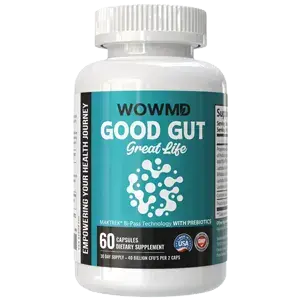
Price: $71.10
WOWMD Good Gut Great Life is a top-tier probiotic supplement designed to support digestive health, immune function, and overall wellness.
Made with a potent 40-billion CFU blend of Lactobacillus, Bifidobacterium, and other beneficial strains, it’s perfect for maintaining a balanced gut microbiome.
This formula uses MAKTREK® Bi-Pass Technology to ensure probiotics survive digestion and reach your gut for better digestion, less bloating, and improved nutrient absorption.
Gluten-free, non-GMO, and free of artificial additives, Good Gut Great Life is a simple, natural way to boost your gut health.
To use, take two capsules daily, one in the morning and one in the evening.
Is It Better to Consume Prebiotic Fiber from Food Sources or Supplements?
When comparing whole foods vs supplements for prebiotic fiber sources, supplements have a place but whole foods provide a much better long-term option.
Advantages of Prebiotic Supplements:
- Concentration and Consistency: Supplements offer a steady supply of prebiotics in a concentrated form, ensuring consistent nutrient intake, particularly beneficial for therapeutic purposes.
- Convenience: Ideal for those with busy lifestyles or limited access to fresh produce, supplements provide an easy way to ensure adequate prebiotic intake.
- Specificity: They often contain specific types of prebiotics not abundantly available in a regular diet, allowing for targeted gut health support.
Disadvantages of Prebiotic Supplements:
- Limited Nutritional Profile: Supplements lack the broad range of nutrients like vitamins, minerals, and antioxidants found in whole foods.
- Potential Side Effects: High doses can lead to discomforts such as bloating, gas, or diarrhea, especially when first introduced to the diet.
- Cost: Supplements can be more expensive than obtaining prebiotics from natural food sources.
Advantages of Whole Food Prebiotics:
- Nutritional Diversity: Whole foods rich in prebiotics also contain fiber, vitamins, and minerals, contributing to overall health.
- Natural Balance: The balance of prebiotics with other dietary fibers and nutrients in whole foods can reduce potential digestive side effects.
- Dietary Integration: Consuming a varied diet with prebiotic-rich foods promotes healthy eating habits and offers a diverse eating experience.
Disadvantages of Whole Food Prebiotics:
- Inconsistency in Intake: The amount of prebiotics in whole foods can vary, making it challenging to achieve a consistent dose.
- Limited Options for Some Diets: Individuals with dietary restrictions may find it difficult to consume a variety of prebiotic-rich foods.
- Preparation and Access: Fresh produce requires time for preparation, and consistent access to high-quality foods may not be feasible for everyone.
This website does not provide medical advice. This website site does contain affiliate links, and purchases may earn a commission.
Read my Medical Disclaimer, Review Disclaimer, and Publishing Policies for more details. Use of this site indicates acceptance of these terms.