
What Is the Best Diet for an Athlete? A Practical Performance Nutrition Guide
 Reading Time: 20 minutes
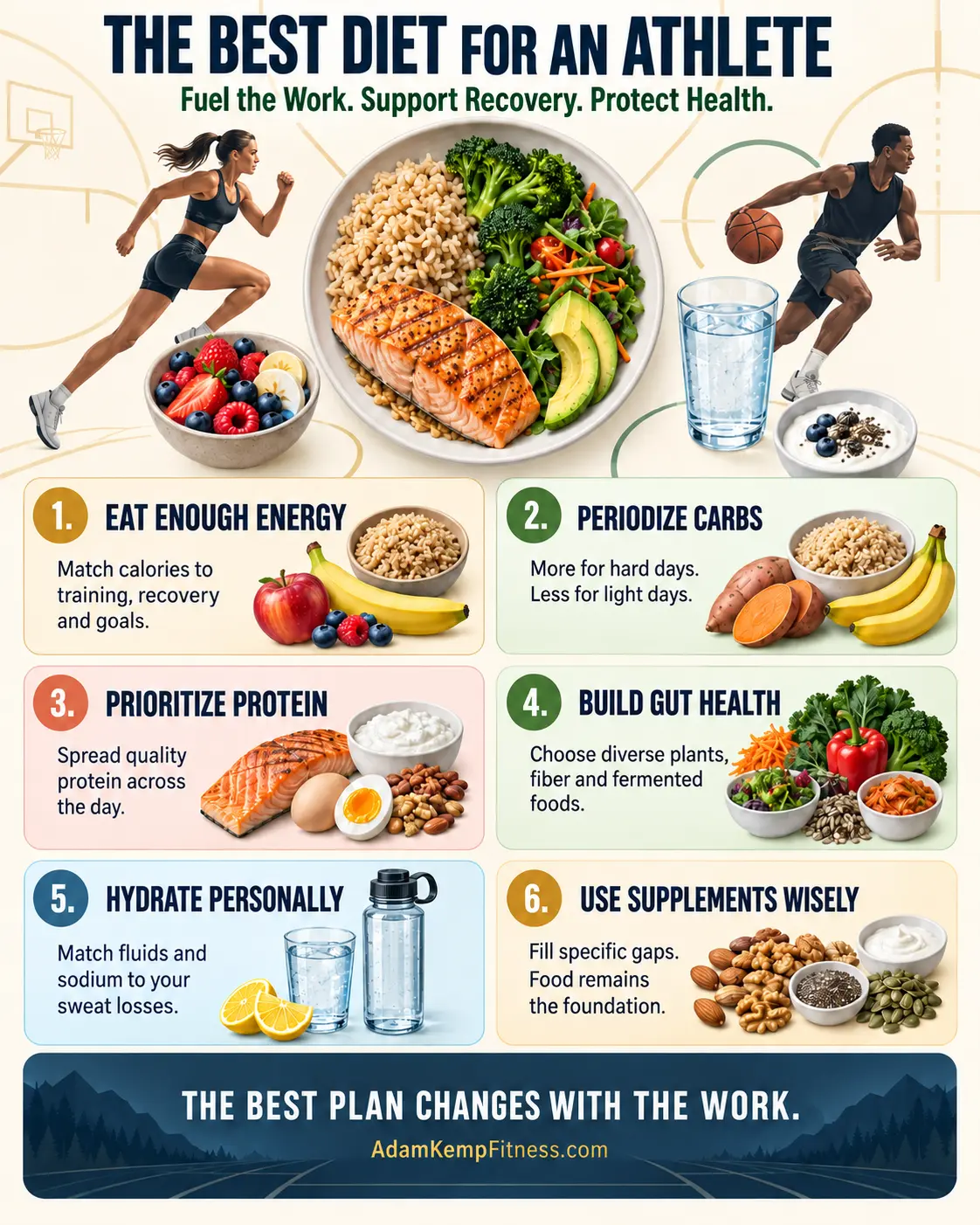
 As a professional basketball player with nearly 20 years of experience competing at elite levels and a Master’s Degree in Nutrition Education, I am confident when I say that I believe the best diet for an athlete is not a rigid meal plan, a trendy diet, or one perfect ratio of carbohydrates, protein, and fat, but it is a flexible, mostly whole-food eating pattern that provides enough energy, supports training and recovery, protects long-term health, and changes with the athlete’s sport, schedule, season, and goals.
From my experience as an athlete and my nutrition education, I’ve learned that performance sports nutrition is less about eating the same “clean” foods every day and more about giving my body what the next session demands.
Some days require large amounts of carbohydrates and calories, while lighter days let me eat less and focus on vegetables, protein, healthy fats, and recovery.
My dietary foundation is a diverse omnivorous diet with plenty of plant foods, fruit, whole grains, nuts, seeds, yogurt, kefir, eggs, fish, and high-quality meat. I then adjust portions, meal timing, fluids, sodium, and selected supplements based on my workload and how my body responds.
That flexibility is the central idea behind the best diet for an athlete: build a strong nutritional foundation, then match the details to the work.
Quick Answer: What Is the Best Diet for an Athlete?
For most athletes, the best diet is a varied, minimally processed, performance-focused diet that includes:
- Enough total calories to support training, recovery, health, and normal physiological function
- Carbohydrates adjusted to the intensity and duration of training
- Adequate protein distributed across the day
- Healthy fats for energy, hormones, cell function, and nutrient absorption
- Plenty of fruits, vegetables, whole grains, legumes, nuts, and seeds
- Fluids and electrolytes matched to individual sweat losses
- Familiar, easy-to-digest foods before practices and competitions
- Evidence-based supplements only when they solve a specific problem
Sports-nutrition guidance consistently emphasizes that nutrition should be individualized and periodized around training, rather than forced into a single universal diet (Thomas et al., 2016).
An endurance runner, a heavyweight strength athlete, and a professional basketball player may all eat healthfully, yet need very different quantities and timing strategies.
Why There Is No Single Perfect “Athlete Diet”
Terms such as Mediterranean, ketogenic diet for athletes, plant-based, high-protein, and low-carbohydrate describe broad dietary patterns, but none automatically becomes the best diet for every athlete.
A diet works for performance only when it provides enough usable energy, fits the sport, digests well, supports the athlete’s health, and is realistic to follow.
Even one athlete should not necessarily eat the same way year-round.
Preseason conditioning, two-a-day practices, game days, travel days, injury rehabilitation, and the offseason create different demands.
The basics of sports nutrition involve consuming enough total energy, using carbohydrates to fuel exercise, eating sufficient protein to support tissue repair and adaptation, and including healthy fats for energy and normal physiological function.
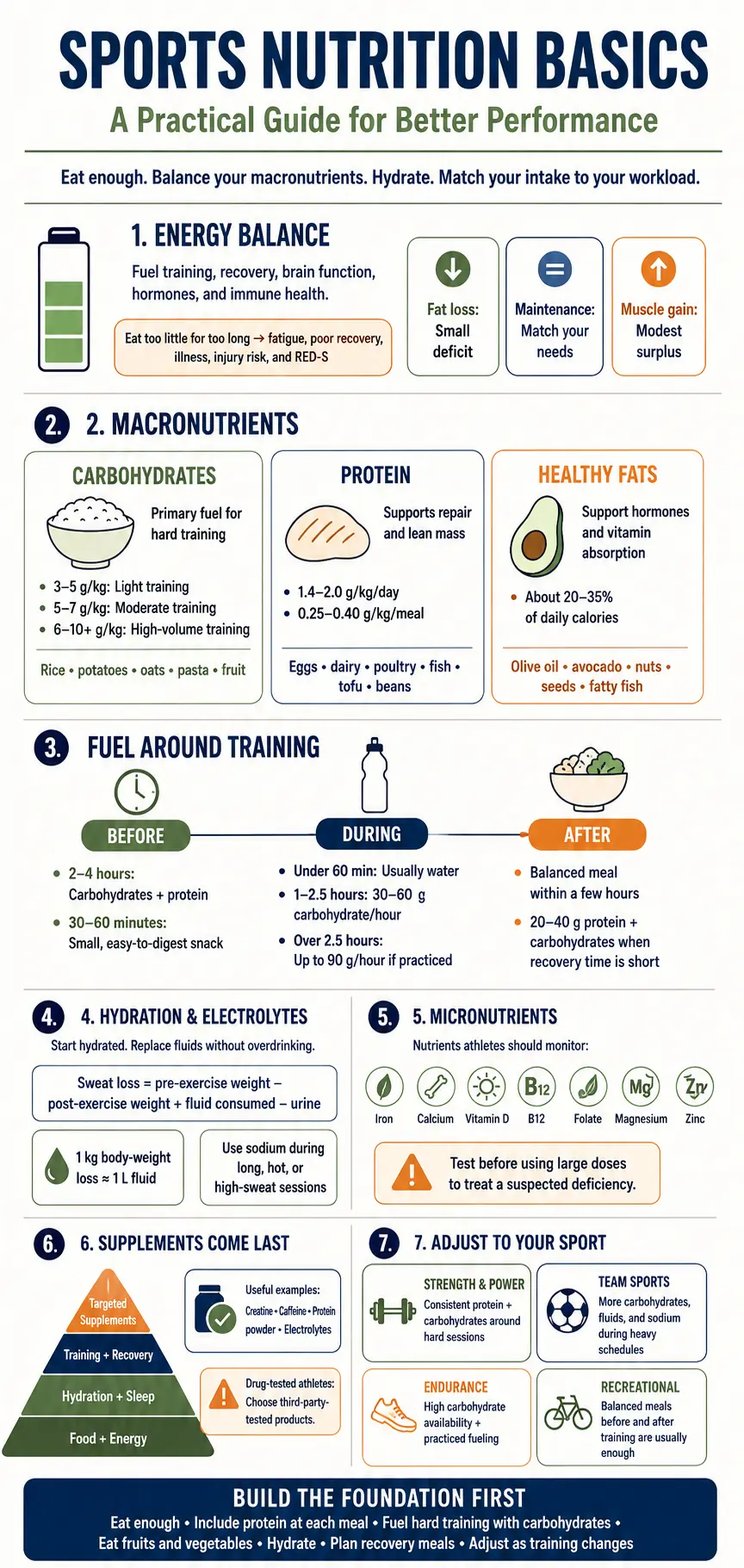
Athletes must also obtain adequate fluids, electrolytes, vitamins, and minerals to support hydration, recovery, immune function, bone health, and overall performance (Thomas et al., 2016).
This process is often called nutrition periodization.
Just as training volume and intensity change throughout the week and season, food intake, especially carbohydrate and total energy, should rise and fall with the work being performed (Thomas et al., 2016).
The objective is not perfect consistency in the menu. The objective is consistent alignment between nutrition and the athlete’s needs.
Important Rules of the Best Diet for Athletes
1.) Eat Enough Energy to Support Performance and Health
The most carefully designed food choices cannot compensate for chronic under-fueling.
Athletes who regularly consume less energy than their bodies require may experience impaired recovery, declining performance, fatigue, mood changes, increased injury risk, reduced bone health, hormonal disruption, or other features of relative energy deficiency in sport, commonly called RED-S (Mountjoy et al., 2023).
Calorie needs can vary substantially based on body size, sport, training duration, intensity, age, sex, environment, and body-composition goals.
For that reason, a calculator can provide a starting estimate, but body-weight trends, performance, hunger, sleep, recovery, menstrual function when applicable, and overall well-being provide essential feedback.
Trying to lose body fat does not eliminate the need to fuel demanding sessions.
A moderate calorie deficit, adequate protein, and strategic carbohydrate timing usually make more sense than aggressive restriction that compromises training quality.
Likewise, building muscle takes more than just adding protein shakes.
The athlete typically needs progressive resistance training, sufficient total energy, adequate protein and carbohydrates to support productive training, and enough time to recover.
2.) Adjust Carbohydrates to the Training Day
Carbohydrates are the body’s most useful fuel for high-intensity exercise, making them particularly important for basketball, soccer, sprinting, combat sports, CrossFit, repeated interval work, and demanding endurance training.
Muscle and liver glycogen help athletes sustain intensity, repeat explosive efforts, and resist fatigue.
General sports-nutrition recommendations often range from approximately 3–5 grams of carbohydrate per kilogram of body weight per day during light activity to 5–7 g/kg during moderate training and 6–10 g/kg during prolonged, high-volume endurance work (Thomas et al., 2016).
These are planning ranges, not mandatory targets for every person or every day.
I prefer to think in terms of fueling for the work required:
- Rest or recovery day: Smaller portions of starch, while maintaining protein, colorful produce, and healthy fats
- Normal practice day: Moderate carbohydrate intake spread through meals, with additional carbohydrate before and after training
- Hard practice or double-session day: Larger servings of rice, pasta, potatoes, oats, bread, cereal, and fruit
- Game or competition day: Ample carbohydrate from familiar, lower-fiber foods that digest predictably
- Fat-loss phase: A controlled reduction in calories, often focused away from key training windows rather than removing workout fuel
Carbohydrates are not inherently “good” or “bad.”
Brown rice, oats, beans, and whole-grain bread provide valuable fiber and micronutrients, while white rice, regular pasta, ripe bananas, juice, and sports drinks may be more practical close to intense activity.
The best carbohydrate is the one that serves the current job.
High-fiber carbohydrates support a healthy daily diet, while lower-fiber carbohydrates can provide fast, comfortable fuel when training is near.
What About Carbohydrates During Training?
Athletes may not need carbohydrate during a short, easy session, particularly if they started well fueled.
During prolonged or demanding exercise, however, carbohydrate intake can help maintain performance; common guidelines suggest roughly 30–60 grams per hour for sessions lasting about 1–2.5 hours, with higher intakes sometimes used for longer endurance events after gut training (Thomas et al., 2016).
Basketball practices and games are intermittent, so needs depend on minutes played, warm-up length, total session time, and opportunities to eat or drink.
A sports drink, banana, gel, or other simple carbohydrate can be useful when the session is long, glycogen demands are high, or another game follows soon.
3.) Consume Enough Protein, and Spread It Across the Day
Protein supplies amino acids needed to repair and remodel muscle, connective tissue, enzymes, and other body proteins.
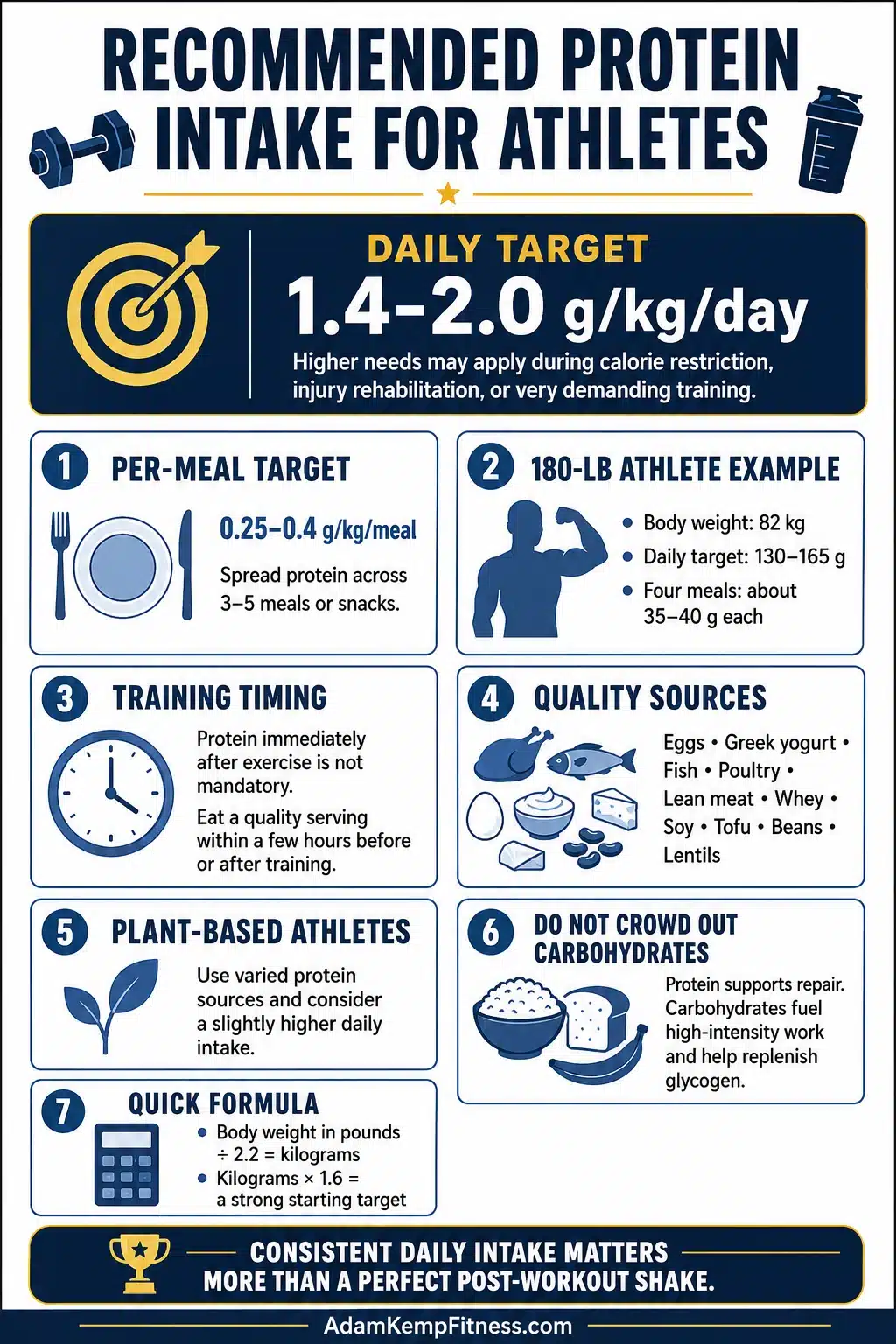
Most exercising people can meet their needs with roughly 1.4–2.0 g/kg of protein per day, although the useful target varies with training, total calorie intake, age, and whether the athlete is dieting (Jäger et al., 2017).
Instead of consuming most of my protein at dinner, I try to distribute meaningful servings across breakfast, lunch, dinner, and one or two snacks.
A practical target for many athletes is approximately 0.25–0.40 g/kg per meal or snack, repeated every three to five hours, while still prioritizing the total daily intake (Jäger et al., 2017).
My regular protein sources include eggs, yogurt, kefir, fish, beef, chicken, wild game, and plant foods.
Deer and wild boar can provide a lean, protein-rich variety, while pasture-raised or grass-fed animal foods may fit personal preferences; however, labels such as “grass-fed,” “wild,” or “pasture-raised” do not replace food safety, dietary balance, or adequate overall nutrition.
Plant protein sources also have an important place in an athlete’s diet.
Beans, lentils, tofu, tempeh, peas, nuts, seeds, whole grains, and protein powders can collectively provide sufficient protein when total intake and variety are appropriate.
I often prefer pea, hemp, or blended vegan protein powders because they are convenient and fit my digestion.
Blends can improve the amino-acid profile, and slightly larger servings may help plant-based powders deliver enough leucine and total essential amino acids compared with some animal-derived proteins.
Protein powder is a convenience, not the foundation of the best diet for athletes.
It is most valuable when eating a normal meal is difficult, appetite is low after training, or travel makes high-quality food less accessible.
You can read my guide on recommended protein intake for athletes for more specific information on this topic.
4.) Keep Healthy Fats in the Diet, but Time Them Intelligently
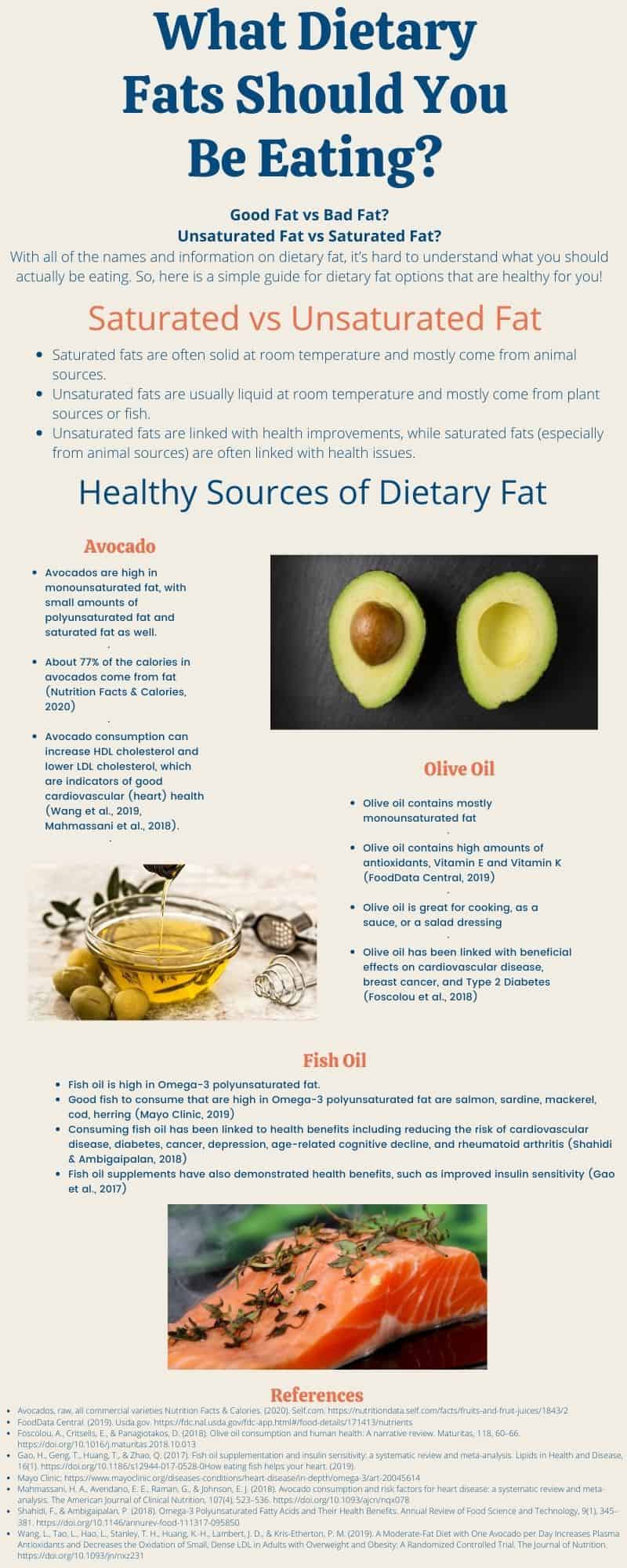
Dietary fat supports cell membranes, hormone production, absorption of fat-soluble vitamins, organ protection, and overall energy intake.
Athletes should not remove fat simply because carbohydrates and protein receive more attention in performance discussions.
My preferred sources include extra-virgin olive oil, avocado, nuts, seeds, peanut butter, eggs, and fatty fish.
These foods add flavor, energy, and valuable nutrients to meals.
However, large amounts of fat can slow stomach emptying and may feel heavy before intense exercise.
I usually limit high-fat meals before practices and games, but small amounts of olive oil, avocado, or peanut butter may be fine if there is enough time to digest.
This is an individual tolerance issue rather than a universal ban.
An athlete who comfortably eats some fat three hours before training doesn’t need to cut it, but competition day is a poor time to test an unusually rich meal.
5.) Build Gut Health Away from the Competition Window
I prioritize gut health because digestion, immune function, nutrient absorption, and an athlete’s ability to tolerate fuel all influence training consistency.
My everyday diet includes fiber-rich plant foods and fermented foods such as yogurt and kefir.
Whole grains, fruit, vegetables, beans, nuts, and seeds provide different fibers and other compounds that feed a diverse intestinal ecosystem.
Dietary diversity matters because different microorganisms use different substrates, so repeatedly eating the same few “healthy” foods may not offer the same breadth as a varied diet.
Fermented foods can add live microorganisms, but not every yogurt, kefir, pickle, or fermented product contains clinically meaningful probiotic strains.
Likewise, probiotic benefits are strain- and outcome-specific, and the evidence is more convincing for certain gastrointestinal or immune outcomes than for a direct performance boost in every athlete (Jäger et al., 2019).
The key distinction is that the best foods that support gut health for athletes throughout the week may not be ideal immediately before competition.
Large servings of fiber, lactose, fermentable carbohydrates, or fatty foods can increase gas, urgency, cramping, or fullness in susceptible athletes.
I generally reduce fiber, fat, and lactose around practices and games because that improves my digestive comfort.
This doesn’t make those nutrients unhealthy; it just moves them to a more useful part of the day.
Athletes with persistent pain, reflux, diarrhea, constipation, blood in the stool, unintended weight loss, or recurring exercise-related gastrointestinal problems should seek medical assessment rather than masking symptoms with dietary restriction.
6.) Eat Plenty of Fruit and a Wide Range of Plant Foods
Fruit is one of my most reliable athlete foods because it can provide carbohydrate, fluid, vitamins, minerals, polyphenols, and prebiotic fibers in a convenient form.
Bananas, berries, citrus fruit, kiwi, grapes, melons, apples, dates, and dried fruit can all serve different purposes.
Closer to activity, ripe bananas, applesauce, dates, melon, juice, or peeled fruit may digest more easily.
At meals farther from training, whole fruit with edible skins and seeds can contribute more fiber and help increase dietary diversity.
Vegetables remain important, but athletes do not have to force a giant raw salad before a game.
Cooked vegetables, soups, smoothies, and strategically timed salads can deliver nutrients without creating unnecessary digestive stress.
Eating “a lot of plants” does not require becoming vegan, just as eating meat does not require building every meal around it.
My approach combines animal and plant foods because it makes it easier for me to get enough protein, carbohydrates, micronutrients, fiber, and total energy.
7.) Simplify Pre-Practice and Pre-Game Meals
The closer a meal is to intense exercise, the more predictable it should become.
Before games, I often choose simple combinations such as pasta with Bolognese sauce or white rice with lean ground meat because they provide carbohydrates and protein without excessive fiber or fat.
A useful pre-event framework is:
- Three to four hours before: A substantial meal led by carbohydrate, with moderate lean protein and familiar amounts of fat and fiber
- One to two hours before: A smaller, carbohydrate-focused snack that is easy to digest
- Less than one hour before: Fluids and small amounts of rapidly digested carbohydrate, if needed and tolerated
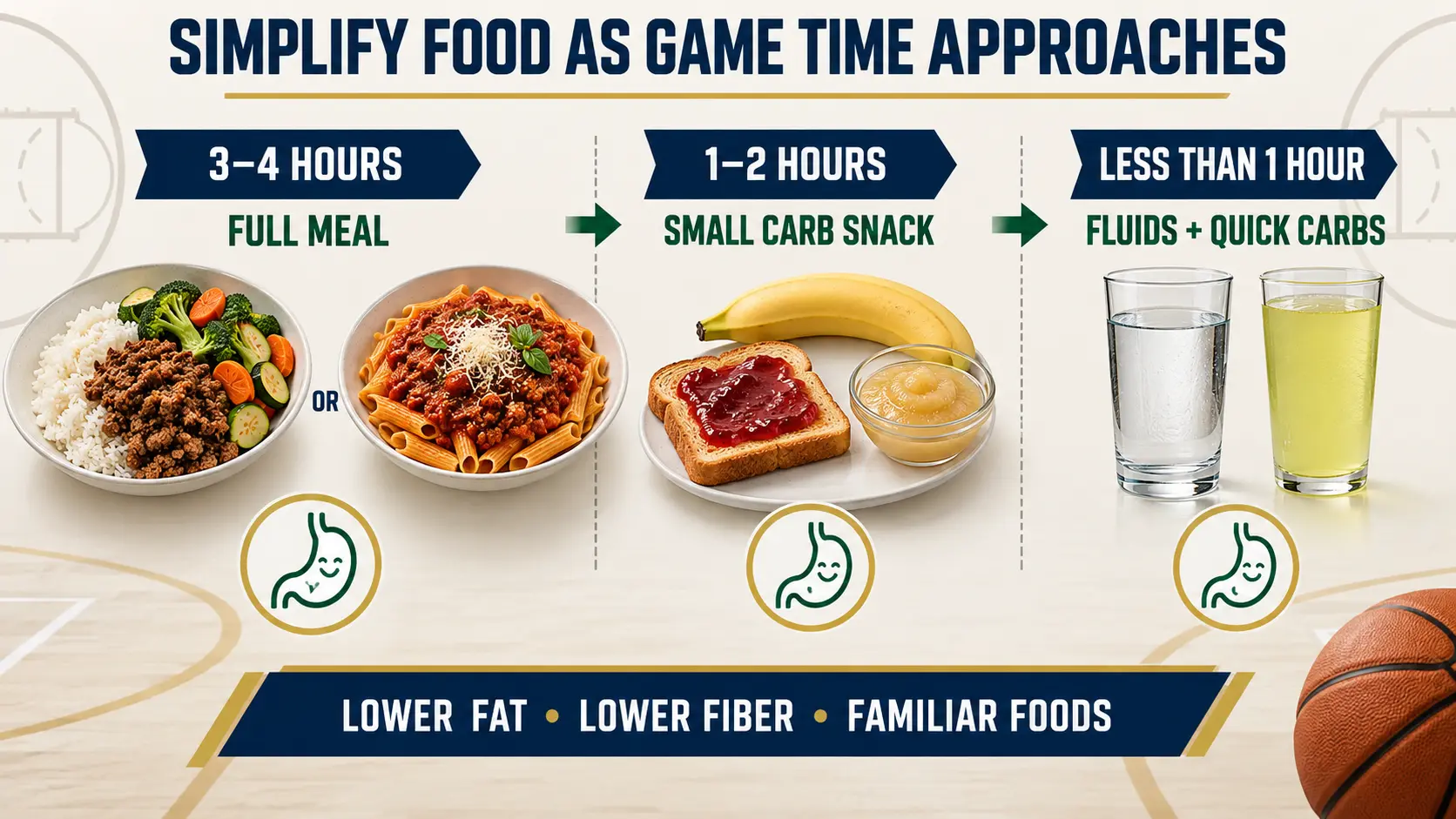
Examples include rice with lean ground meat, pasta with a lighter meat sauce, oatmeal with banana and protein, a turkey sandwich, cereal with a tolerated milk alternative, toast with jam, pretzels, applesauce, or a sports drink.
I avoid significant lactose near competition because I do not tolerate it well in that setting.
Athletes who digest lactose without symptoms do not automatically need to remove it, and lactose-free dairy can provide another option.
The best pre-game meal is not the meal that looks most impressive on social media.
It is the familiar meal that supplies enough fuel and lets the athlete compete without thinking about their stomach.
8.) Recover with Carbohydrate, Protein, Fluids, and Sodium
Post-workout nutrition should help restore what the session used and provide the materials needed for adaptation.
The urgency depends on the schedule: an athlete who has another hard session within several hours needs a more aggressive recovery plan than someone with a full day before training again.
A practical recovery meal combines carbohydrate, high-quality protein, fluids, and sodium.
Rice with meat and vegetables, potatoes with eggs and fish, pasta with Bolognese sauce, a smoothie with fruit and protein powder, or yogurt with cereal and berries can all work.
When rapid recovery is necessary, carbohydrate intake of approximately 1.0–1.2 g/kg per hour during the first several hours can accelerate glycogen restoration, alongside roughly 0.25–0.40 g/kg of protein (Thomas et al., 2016).
These amounts are situational and may be excessive after an easy workout or when the next demanding session is far away.
9.) Personalize Hydration and Sodium to Your Sweat Rate
I mostly drink water, then use electrolyte powders when heat, practice length, travel, or sweat losses make them useful.
Because I am a large athlete and a heavy sweater, my fluid and sodium needs can be much higher than those of a smaller person training lightly in a cool gym.
Hydration should be individualized rather than reduced to “drink as much as possible.” Both substantial dehydration and excessive fluid consumption can create problems, and drinking large amounts beyond sweat losses can contribute to exercise-associated hyponatremia (Hew-Butler et al., 2015).
A simple way to estimate sweat loss is to compare body mass before and after a representative session while tracking fluid consumed and urine produced:
Sweat loss = pre-exercise body mass − post-exercise body mass + fluid consumed − urine produced
Because one kilogram of mass change is approximately one liter of fluid, dividing the result by exercise time gives an estimated sweat rate per hour.
Repeating the test in different temperatures and training conditions creates a more useful personal range.
Sodium replacement can be valuable for athletes with high sweat rates, salty sweat, long sessions, or repeated training in the heat.
However, “salt shots” aren’t universally necessary, and taking concentrated salt without enough fluid can cause gastrointestinal distress or lead to excessive sodium intake.
I use concentrated salt strategically because of my sweat profile, but other athletes should estimate their losses and ideally work with a sports dietitian before copying that practice.
People with hypertension, kidney disease, heart disease, or other sodium-sensitive conditions should obtain medical guidance.
10.) Use Supplements to Close Gaps, Not Replace the Diet
There are certainly supplements for athletic performance that can help your diet and training sessions, but they should come after you’ve reasonably organized your diet, sleep, training, and hydration.
The strongest choice is the product that addresses an identified need, has evidence for the specific sport or outcome, and has been tested for safety and tolerance.
However, it is crucial that you remember that no supplement is completely risk-free, and contamination or inaccurate labeling can create health and anti-doping problems.
Competitive athletes should use batch-tested products from recognized third-party programs and confirm every ingredient against the rules that apply to their league or anti-doping organization.
The IOC recommends that performance supplements be used only after a careful risk-benefit assessment and tested during training before competition (Maughan et al., 2018).
A legal ingredient can still be poorly dosed, contaminated, unnecessary, or inappropriate for a particular athlete.
Disclaimer: This article contains affiliate links, which means I may earn a commission if you make a purchase through these links, at no extra cost to you. I only recommend products I use or believe in. Thank you for supporting my work and helping me continue to share evidence-based fitness and nutrition content.
Protein Powder
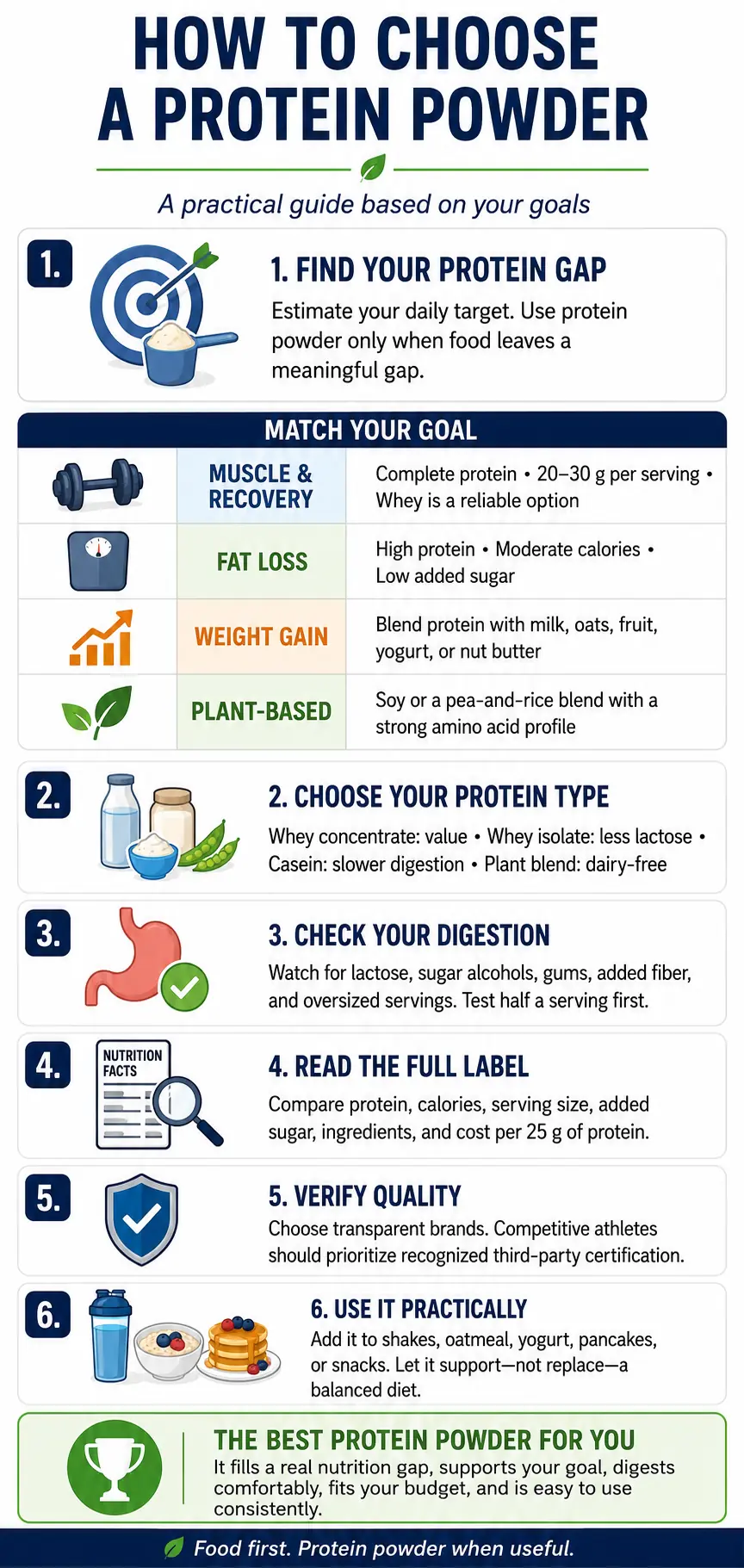
Protein powder is a practical way to meet protein needs, especially after workouts, while traveling, or when appetite is limited.
I prefer vegan protein supplements like pea, hemp, or blended plant proteins, but whey, casein, soy, and other well-formulated proteins can also work.
My favorite protein powder supplement is Garden of Life Protein & Greens:


Last update on 2026-09-14 / This article includes affiliate links/Images via Amazon Product Advertising API. I may earn commissions on purchases made through these links.
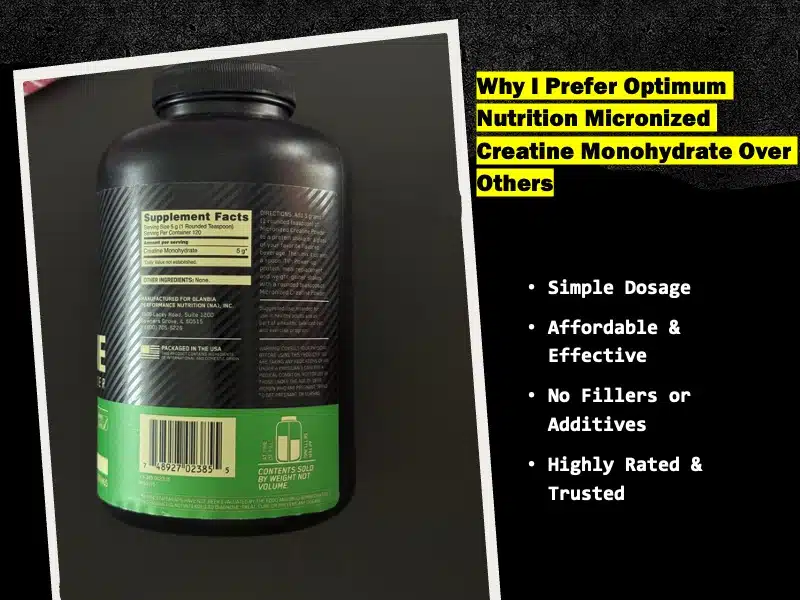
Creatine Monohydrate
Creatine monohydrate is among the most thoroughly studied performance supplements and can support repeated high-intensity exercise, strength, power, and gains in lean mass when combined with training.
A common maintenance strategy is 3–5 grams daily, while a loading phase is optional rather than required (Maughan et al., 2018).
Although there are many quality options, my favorite creatine monohdyrate supplement is Optimum Nutrition Creatine Monohydrate:

Last update on 2026-09-14 / This article includes affiliate links/Images via Amazon Product Advertising API. I may earn commissions on purchases made through these links.
Electrolyte Powders
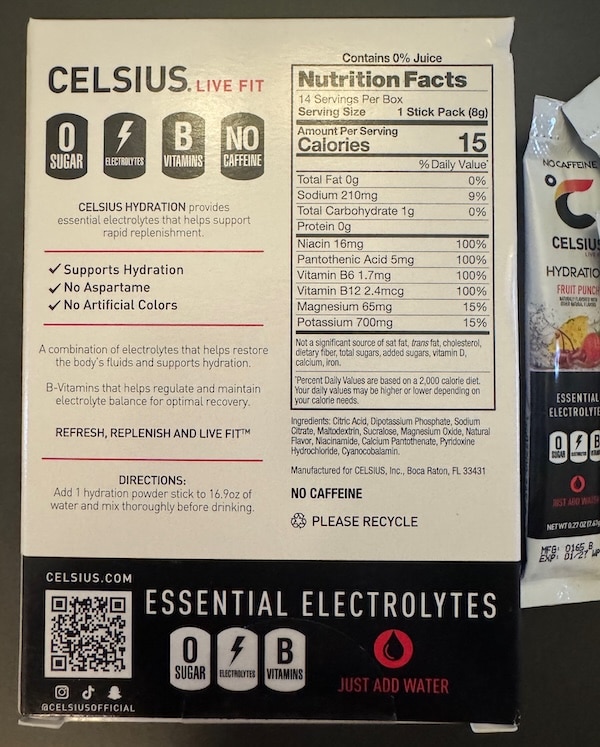
Electrolyte products can be useful during long, hot, or high-sweat sessions, but the sodium content varies widely.
Athletes should read the label and choose a product based on the actual session and personal sweat losses rather than assuming every electrolyte powder provides enough sodium.
One option I have been enojying lately are the Celsius Hydration Packets. Using just one of these packets per day provides a valuable amount of electrolytes without too many unnecessary fillers.

Last update on 2026-09-14 / This article includes affiliate links/Images via Amazon Product Advertising API. I may earn commissions on purchases made through these links.
Caffeine and Pre-Workout Supplements
Caffeine can improve alertness and performance in appropriate doses, but more is not automatically better.
Athletes should consider body size, habitual intake, anxiety, heart rate, sleep, competition time, and other caffeine consumed that day.
Multi-ingredient pre-workout supplements make it harder to know which ingredient helped or caused a side effect.
I prefer evaluating ingredients and doses individually, testing them in practice, and avoiding proprietary blends that hide exact quantities.
Two of my favorite pre workout supplements are Optimum Nutrition Gold Standard Pre Workout and RSP Nutrition AminoLean.

Last update on 2026-09-14 / This article includes affiliate links/Images via Amazon Product Advertising API. I may earn commissions on purchases made through these links.

Last update on 2026-09-14 / This article includes affiliate links/Images via Amazon Product Advertising API. I may earn commissions on purchases made through these links.
Amino Acid Supplements
Essential amino acid supplements may be useful when a full protein serving is impractical or when training with limited food intake.
However, branched-chain amino acids are generally redundant when total daily protein and servings of high-quality protein are already adequate.
I believe the best amino acid supplement is Xtend Amino Acids:

Last update on 2026-09-14 / This article includes affiliate links/Images via Amazon Product Advertising API. I may earn commissions on purchases made through these links.
Beetroot Juice and Dietary Nitrate Supplements
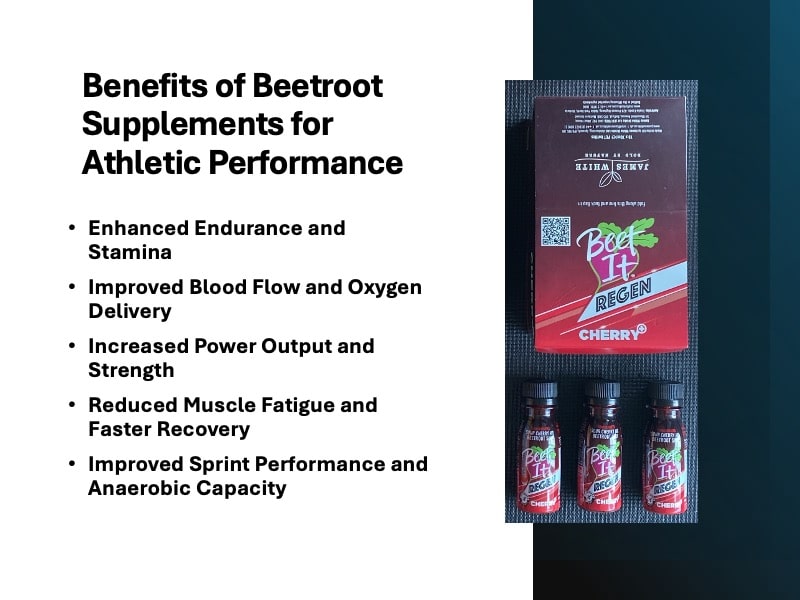
Beetroot juice provides dietary nitrate, which can increase nitric oxide availability and may improve exercise economy or performance in some events and athletes.
The Beet It Sport Shots are my favorite beetroot supplement, as they provide a powerful, concentrated beetroot shot to help improve your endurance and performance.

Last update on 2026-09-14 / This article includes affiliate links/Images via Amazon Product Advertising API. I may earn commissions on purchases made through these links.
What I Eat on Different Types of Days as a Professional Athlete
These examples illustrate the structure of my approach, not exact prescriptions for every athlete.
Rest or Light-Recovery Day
- Breakfast: Eggs, avocado, berries, and whole-grain toast
- Lunch: Large mixed salad with chicken or fish, beans, seeds, and olive oil
- Snack: Yogurt or kefir with nuts and fruit
- Dinner: Wild game or lean beef with vegetables and a moderate serving of potatoes or whole grains
On a lower-output day, I maintain protein and micronutrient-rich foods but reduce carbohydrate portions because glycogen demand is lower.
Hard Training Day
- Breakfast: Oats with fruit, seeds, and protein, plus eggs
- Lunch: Rice or pasta with lean meat and cooked vegetables
- Pre-workout: Banana, toast with jam, applesauce, or another familiar carbohydrate
- During training: Water, electrolytes, and carbohydrate if the session length or intensity warrants it
- Post-workout: Protein shake and fruit if a full meal is delayed
- Dinner: Fish, chicken, beef, or wild game with a large serving of rice or potatoes and vegetables
This day contains more carbohydrate and total food because the training creates a greater fuel and recovery requirement.
Game Day
- Morning meal: Familiar carbohydrate, protein, and fluids without unusually heavy foods
- Main pre-game meal: Pasta with a moderate portion of Bolognese sauce, or white rice with lean ground meat
- Pre-game snack: Banana, toast, pretzels, applesauce, or a sports drink as needed
- During the game: Water and an electrolyte-carbohydrate drink depending on playing time, heat, and sweat loss
- After the game: A substantial carbohydrate-and-protein meal, fluids, and sodium
Game-day nutrition should minimize surprises. I save experimental foods, new supplements, enormous salads, and very rich meals for another time.
How to Build the Best Diet for Your Sport
To build the best diet for yourself as an athlete, begin with the demands of the activity rather than the name of a diet.
Ask how long training lasts, how intense it is, which energy systems dominate, how much recovery time exists, and whether the sport rewards strength, endurance, speed, skill, or a particular body composition.
Then evaluate the athlete:
- Estimate energy needs. Look for stable performance, recovery, health, and an appropriate body-weight trend.
- Set a protein range. Most athletes can begin within 1.4–2.0 g/kg/day and distribute it across the day.
- Periodize carbohydrate. Increase it for demanding training and competition, and reduce portions when workload falls.
- Include adequate fat. Emphasize unsaturated sources while moving larger servings away from intense sessions if digestion requires it.
- Build food diversity. Rotate fruits, vegetables, whole grains, legumes, nuts, seeds, fermented foods, protein sources, and seafood.
- Create a hydration plan. Use sweat rate, environmental conditions, and sodium losses rather than guesswork.
- Practice competition nutrition. Test meals, fluids, and supplements during training.
- Monitor and adjust. Energy, digestion, sleep, performance, injuries, bloodwork, and body-composition trends can reveal whether the plan is working.
The best diet for an athlete should improve the repeatability of good training.
If a diet constantly leaves an athlete exhausted, obsessed with food, unable to digest workout fuel, or afraid of entire food groups, it is not functioning as a high-performance plan.
Common Athlete Diet Mistakes
Eating “Clean” but Not Eating Enough
An athlete can eat only nutritious foods and still under-fuel.
Large training loads often require energy-dense foods, generous carbohydrate portions, liquid nutrition, or convenient sports foods in addition to vegetables and lean protein.
Keeping Carbohydrates Too Low
Low-carbohydrate diets can work in specific contexts, but they may impair the ability to perform repeated high-intensity work.
Athletes should judge carbohydrate intake by the demands of their sport, not by fear-based nutrition messaging.
Eating Too Much Fiber Before Competition
Fiber is valuable for health, but timing matters.
A huge serving of beans, bran cereal, seeds, or raw vegetables shortly before intense exercise may create avoidable gastrointestinal symptoms.
Treating Protein as the Only Recovery Nutrient
Protein supports repair, but carbohydrate replenishes glycogen and sufficient calories enable adaptation.
A shake alone may not be enough after a long practice, game, or double-session day.
Copying Another Athlete’s Hydration Plan
Body size, sweat rate, sodium concentration, climate, equipment, and playing time affect fluid needs.
Copying a heavy sweater’s sodium intake, or a light sweater’s low intake, can produce the wrong plan.
Relying on Too Many Supplements
A crowded supplement stack can increase cost, side effects, ingredient duplication, and contamination risk.
Each product should have a defined purpose and a method for determining whether it is helping.
Trying Something New on Game Day
Even an evidence-based product can cause nausea, diarrhea, jitters, or poor sleep. Training is the laboratory; competition is where the rehearsed strategy is used.
Frequently Asked Questions About the Best Diet for Athlete’s
Final Thoughts on the Best Diet for an Athlete
The best diet for an athlete is not defined by whether it is paleo, vegan, Mediterranean, low-fat, or high-protein.
It depends on whether it consistently supplies the right fuel, in the right amount, at the right time, supports health, and fits the athlete’s life.
My own approach centers on whole foods, plant diversity, fermented foods, plenty of fruit, high-quality animal and plant proteins, and carbohydrates that rise or fall with my schedule.
I simplify meals near practices and games, replace the fluids and sodium I lose as a heavy sweater, and use selected supplements, such as protein powder, creatine, electrolytes, and beetroot products, to support rather than replace my diet.
That combination of structure and flexibility is what makes a performance diet sustainable.
The best diet for an athlete is ultimately a living plan: one that changes with the season, responds to the body, and makes high-quality training easier to repeat.
This website does not provide medical advice. This website site does contain affiliate links, and purchases may earn a commission.
Read my Medical Disclaimer, Review Disclaimer, and Publishing Policies for more details. Use of this site indicates acceptance of these terms.