Top 10 Gut Health Foods for Athletes
 Reading Time: 15 minutes
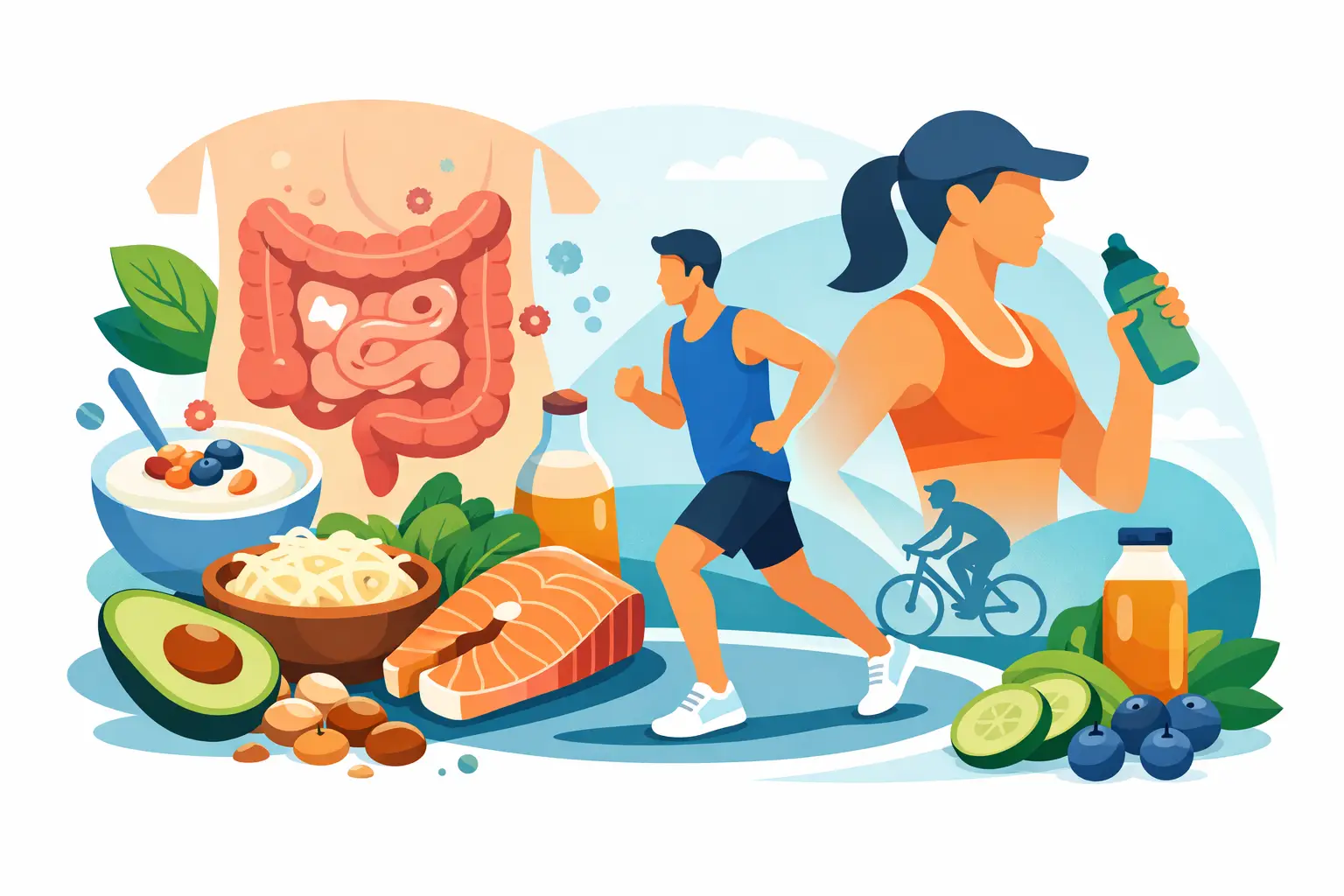
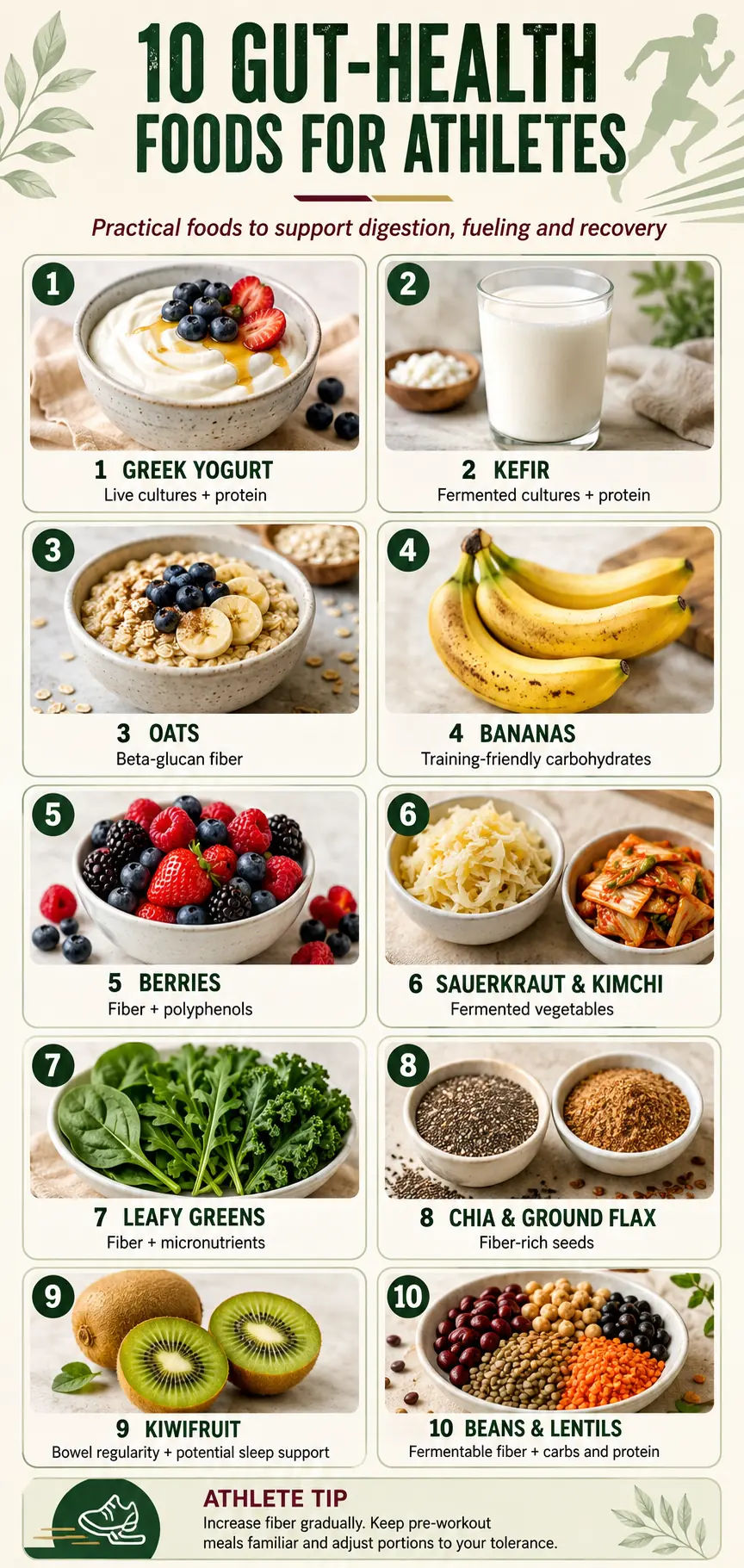
 Choosing the best gut-health foods for athletes can be simple, and those foods support comfortable digestion, regular bowel function, nutrient intake, immune health, and the ability to tolerate the carbohydrates and fluids needed for hard training.
After more than a decade of playing professional basketball, I learned that sports nutrition is not only about hitting protein targets or timing carbohydrates, especially if your stomach feels off during training, because your performance often then suffers.
If your digestive system cannot comfortably handle your nutrition plan, even a well-designed diet becomes difficult to follow.
Improving gut health for athletes is not a shortcut to better performance, and no single food can repair the microbiome overnight.
However, a varied diet that supplies fermentable fibers, polyphenols, resistant starch, and selected fermented foods can create a stronger foundation for health and consistent fueling (Mohr et al., 2020).
Drawing on more than a decade as a professional basketball player and my education in nutrition, I selected the ten foods and drinks on this list as the “best gut health foods for athletes” because they are practical, accessible choices you can realistically include in your diet to support body composition, performance, recovery, physical resilience, and long-term health.
Why Does Gut Health Matter for Athletic Performance?

Gut health is crucial for athletic performance, as the gastrointestinal tract must digest food, absorb nutrients, and tolerate fluids and fuel during training.
It also interacts with immune and inflammatory processes, although the direct relationship between specific microbiome changes and better athletic performance is still being studied (Mohr et al., 2020).
Athletes face several challenges that can disrupt digestion, including high training loads, dehydration, heat, travel, performance anxiety, unfamiliar foods, and large meals scheduled around practices or games.
During intense or prolonged exercise, blood is redirected toward working muscles and the skin, which can place greater strain on the digestive system (Jäger et al., 2019).
The evidence on exercise-related gastrointestinal symptoms is strongest in endurance athletes, especially runners.
Team-sport and strength athletes can still experience bloating, reflux, urgent bowel movements, nausea, or appetite loss when high-intensity work, travel, stress, and meal timing collide.
That does not mean every digestive symptom is caused by the microbiome.
Gut health is broader than microbial diversity and includes bowel regularity, symptom control, food tolerance, adequate fueling, and the absence of an untreated digestive condition.
Important: Fermented Foods, Probiotics, and Prebiotics Are Not the Same Thing
Fermented foods are produced through controlled microbial growth, but they do not automatically qualify as probiotics.
A food should only be called probiotic when it contains defined live microorganisms in an adequate amount with evidence of a health benefit (Marco et al., 2021).
This distinction matters when shopping.

Refrigerated yogurt, kefir, kimchi, or sauerkraut may contain live cultures, while heat-treated or shelf-stable versions may not; even when live microbes are present, the strains and amounts can vary.
Prebiotics are also more specific than fiber in general.
Certain fibers and other substrates are selectively used by gut microorganisms and have demonstrated health benefits, while other fibers support digestion through different mechanisms.
The 10 Best Gut Health Foods for Athletes
The best gut health foods for athletes are not expensive supplements or trendy superfoods.
They are practical, nutrient-dense foods that provide fermentable fiber, resistant starch, polyphenols, or live cultures while also helping athletes meet their needs for carbohydrates, protein, and essential micronutrients.
I selected the following 10 foods because they can fit realistically into an athlete’s diet and support digestion, fueling, recovery, body composition, physical resilience, and long-term health.
Individual tolerance and meal timing still matter, so use this list as a flexible foundation rather than a rigid checklist.
1.) Yogurt With Live Cultures
Yogurt is one of the most practical gut health foods for athletes because it combines fermented dairy with high-quality protein, calcium, and carbohydrates.
Greek yogurt is especially useful when you want more protein without a large volume of food.
Fermentation reduces some of the lactose in milk, which can make yogurt easier to digest for some people, but yogurt is not automatically lactose-free.
Look for “live and active cultures” on the label and choose a product whose sugar content and serving size fit your overall nutrition plan (Marco et al., 2021).
Try plain Greek yogurt with oats and berries at breakfast or use it as part of a post-workout meal.
If dairy consistently causes symptoms, a lactose-free yogurt may be more useful than forcing yourself to eat a food simply because it appears on a gut-health list.
2.) Kefir
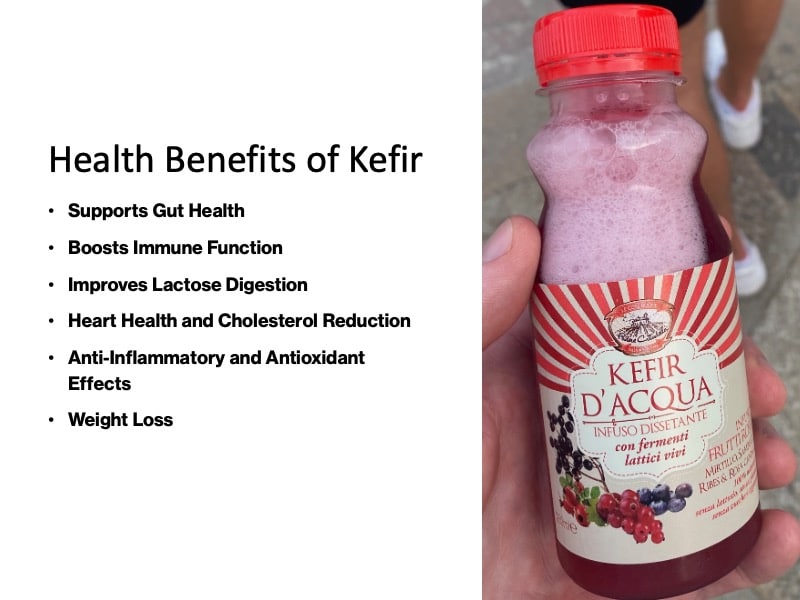
Kefir is a drinkable fermented food that can be easier to consume when appetite is low after training.
It provides fluid, carbohydrates, protein, and live microbes when the finished product has not been heat-treated after fermentation.
Kefir is often described as superior to yogurt because it may contain a broader microbial community, but the organisms and amounts vary by product.
More strains do not automatically yield better results, and athlete-specific performance evidence remains limited.
Start with approximately half a cup if fermented dairy is new to you, then increase the amount according to your tolerance.
Plain kefir works well in a smoothie with a ripe banana, while lactose-free or non-dairy versions are options for athletes who do not tolerate traditional dairy.
3.) Oats
Oats provide carbohydrates for training and a soluble fiber called beta-glucan.
Dietary fiber reaches the colon, where portions can be fermented by gut microbes and influence microbial activity and short-chain fatty-acid production (Mohr et al., 2020).
That makes oats a useful bridge between performance nutrition and long-term digestive health.
They are affordable, easy to prepare, and simple to combine with other foods on this list.
A large bowl immediately before repeated sprints or a hard conditioning session may feel too heavy.
Use oats at breakfast, after training, or at least a few hours before intense exercise until you know how your body responds.
4.) Bananas
Bananas are valuable because their ripeness changes how they function.
Less-ripe bananas contain more resistant starch, while riper bananas contain more readily available carbohydrates and are usually easier to tolerate close to training.
This creates a practical trade-off rather than a contest over which banana is healthier.
A slightly green banana may provide more resistant starch but cause more gas in some athletes, while a ripe banana is often a better pre-workout option.
Pair a banana with yogurt or kefir after training, or eat one with a familiar low-fat meal before a session.
Gut health is not only about maximizing fiber; it is also about choosing foods you can digest consistently.
5.) Berries
Blueberries, strawberries, raspberries, and blackberries provide fiber, vitamin C, and polyphenols.
Gut microbes help metabolize berry polyphenols, creating a two-way relationship between these plant compounds and the intestinal environment.
The human evidence should not be overstated.
A systematic review found that the small number of eligible randomized trials did not show a consistent effect of berry intake on gut microbiota composition, so berries belong on this list for their overall nutritional value rather than for a guaranteed microbiome transformation (Sweeney et al., 2022).
Use berries in yogurt, oatmeal, or a smoothie away from intense exercise.
Raspberries and blackberries are especially fiber-rich, which can be helpful during regular meals but less comfortable immediately before competition.
6.) Sauerkraut and Kimchi
Sauerkraut and kimchi add fermented vegetables and dietary variety in a compact serving.
A randomized feeding study in healthy adults found that a diet high in fermented foods increased microbiome diversity and reduced several inflammatory markers, although the study tested a fermented-food pattern rather than one specific vegetable (Wastyk et al., 2021).
Choose refrigerated, unpasteurized products if live cultures are your goal, and check the label because some shelf-stable products are heat-treated.
Start with one or two tablespoons rather than a large bowl.
Kimchi can be spicy, and both foods may be high in sodium or poorly tolerated by people sensitive to fermented foods.
Use them with lunch or dinner, not for the first time before an important practice or game.
7.) Beans, Lentils, and Chickpeas
Legumes provide fermentable fiber, carbohydrates, plant protein, iron, magnesium, and potassium.
They can help balance athletes’ diets that contain plenty of protein but too few varied plant foods.
Legumes are also one of the clearest examples of why personalization matters.
Their fermentable carbohydrates can support gut microbes, yet the same compounds may cause gas, bloating, or urgency when the serving is too large or when the food is unfamiliar.
Start with a small portion of canned, well-rinsed lentils or chickpeas and increase gradually.
Place larger servings in meals well away from training, especially during the competitive season.
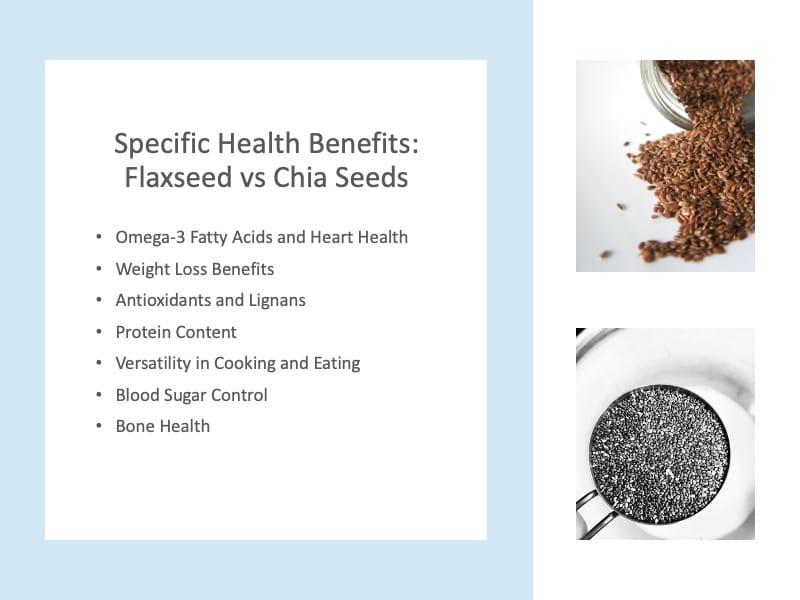
8.) Chia Seeds and Ground Flaxseed
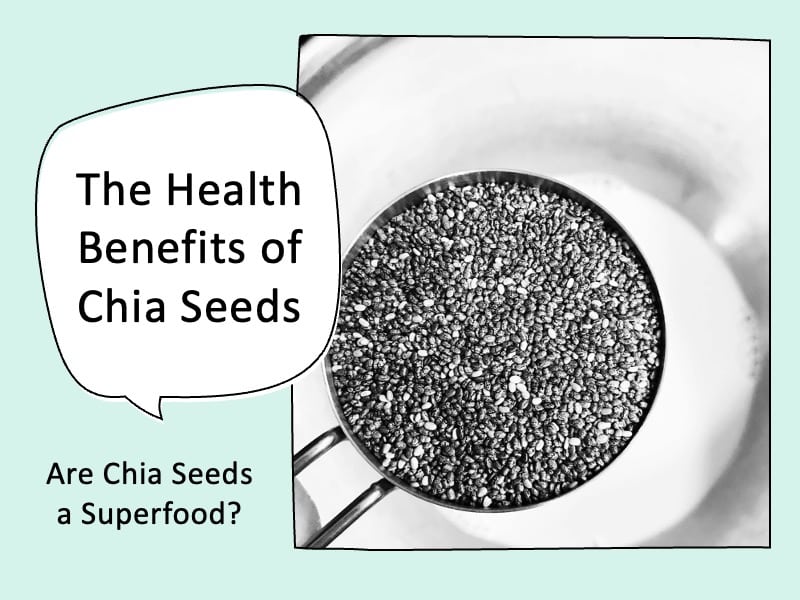
Chia and flaxseed are easy ways to increase fiber without rebuilding an entire meal.
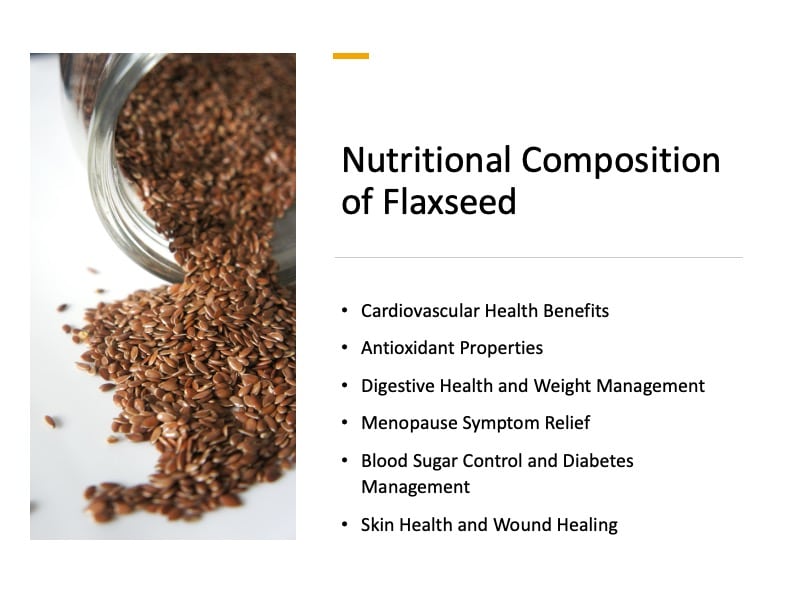
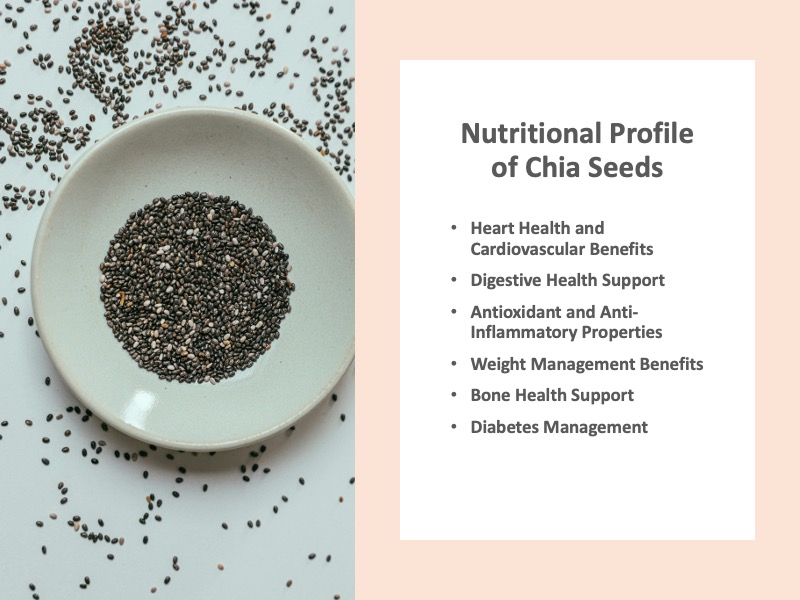
Ground flaxseed is easier to incorporate than whole flax, while chia seeds absorb fluid and form a gel-like texture.
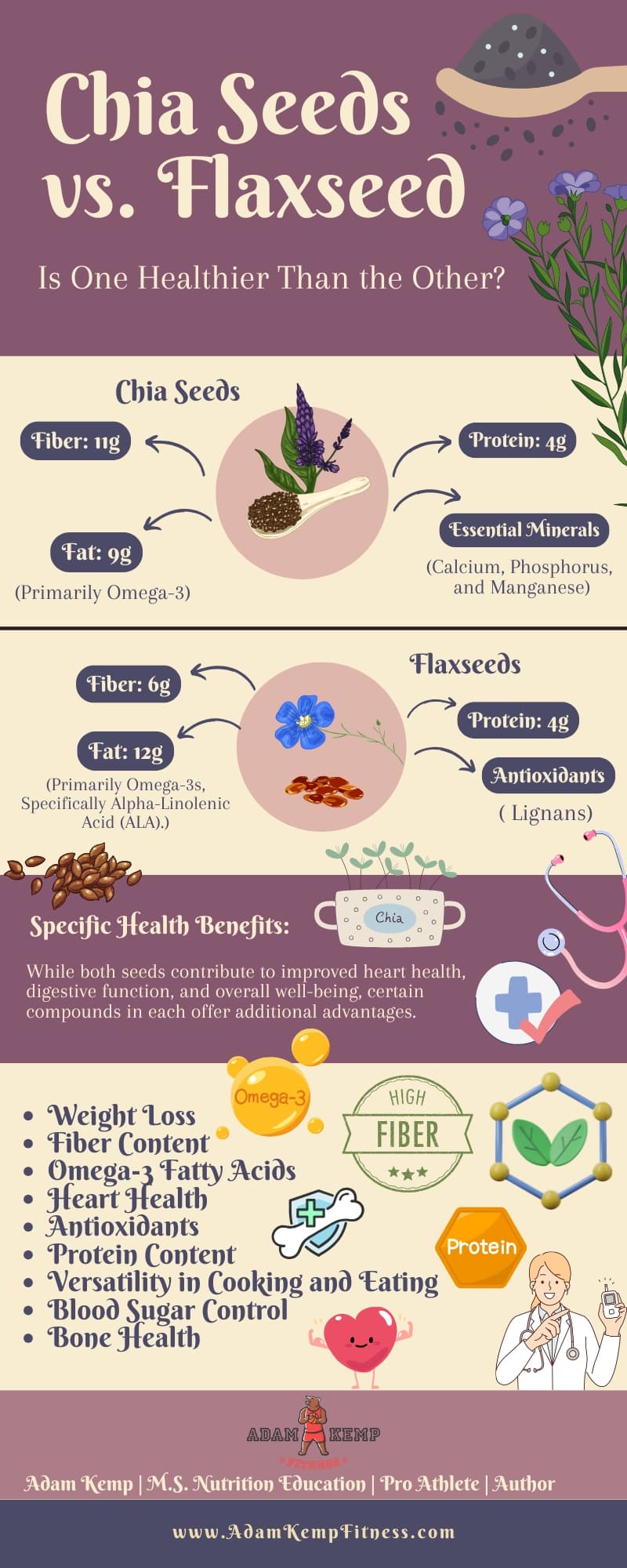
Begin with approximately one tablespoon per day and drink enough fluid.
Adding several tablespoons of seeds to a smoothie overnight can turn a reasonable fiber increase into a sudden digestive challenge.
Use chia or ground flaxseed in oatmeal, yogurt, or a recovery smoothie.
They are better suited to regular meals than to the final hour before intense training.
9.) Kiwifruit
Kiwifruit provides fiber, fluid, vitamin C, and actinidin, a proteolytic enzyme that assists with the digestion of dietary protein.
However, its strongest evidence for digestion concerns bowel regularity and abdominal comfort rather than direct improvements in athletic performance.
In an international randomized crossover trial, eating two green kiwifruits per day improved bowel-movement frequency and abdominal comfort in adults with functional constipation or constipation-predominant irritable bowel syndrome (Gearry et al., 2023).
These findings cannot be assumed to apply equally to every athlete, but they make kiwifruit a better-supported gut-health choice than many trendy products.
Kiwifruit may also be useful before bed to support better sleep quality.
In a small study of adults with self-reported sleep problems, eating two kiwifruits approximately one hour before bedtime for four weeks was associated with faster sleep onset, longer sleep duration, and better sleep efficiency (Lin et al., 2011).
A later open-label study involving elite athletes used the same routine (two green kiwifruits one hour before bed for four weeks) and reported improvements in sleep quality, sleep duration, sleep efficiency, nighttime awakenings, and recovery-related stress (Doherty et al., 2023).
These findings are promising, but both sleep studies were small and lacked placebo-controlled comparison groups.
Kiwifruit should therefore be viewed as a practical food worth experimenting with, not a proven treatment for insomnia.
With kiwi, the potential combination of digestive and sleep benefits is particularly relevant for athletes.
More comfortable digestion can make consistent fueling easier, while sufficient sleep supports recovery, immune function, training readiness, appetite regulation, and progress toward performance and body-composition goals.
Better sleep may also make gut symptoms easier to manage by supporting more consistent eating habits and reducing the recovery burden associated with hard training.
For athletes who tolerate food before bed, two kiwifruits about an hour before sleep may be a simple food-first strategy to test for several weeks.
Kiwifruit can also be eaten at breakfast or as a snack.
As with any food, athletes with a known kiwi allergy should avoid it.
10.) Nuts
Almonds, walnuts, pistachios, and other nuts provide fiber, polyphenols, unsaturated fats, minerals, and concentrated energy.
That combination is useful for athletes who need more calories without relying only on processed snacks.
A meta-analysis of randomized trials found that nuts changed the abundance of several bacterial genera but did not consistently change overall microbial diversity or stool output (Creedon et al., 2020).
The realistic conclusion is that nuts can contribute to a gut-supportive diet, not that a handful will overhaul the microbiome.
Use approximately one ounce as a snack or add nuts to oatmeal and yogurt.
Because fat and fiber slow digestion, large servings are usually better when not training hard.
Personal Tip: I enjoy Greek yogurt topped with nuts and honey as a gut-friendly bedtime snack that supports recovery and performance.
A Practical Gut-Health Meal Pattern for Athletes
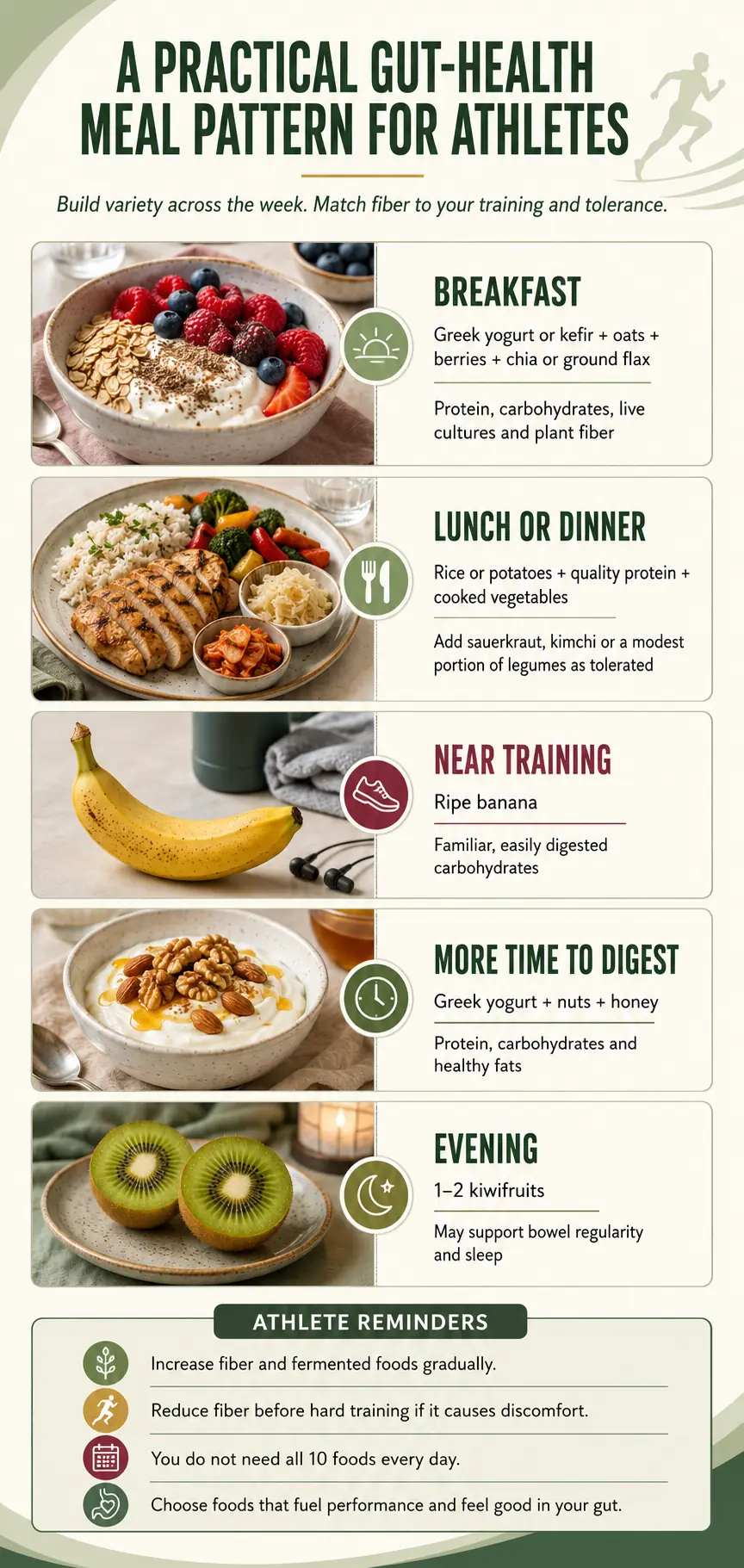
A gut-supportive diet does not require complicated recipes or a separate performance nutrition plan.
The goal is to combine adequate protein and carbohydrates with a gradual, well-tolerated variety of fermented foods, fiber, and polyphenol-rich plants.
For breakfast, try Greek yogurt or kefir with oats, berries, and a small amount of chia seeds or ground flaxseed.
This provides protein and carbohydrates for recovery while introducing live cultures and several types of plant fiber.
Adjust the portion to your training demands, and reduce the fiber before early, high-intensity sessions if it causes discomfort.
Lunch or dinner might include rice or potatoes, a high-quality protein source, and cooked vegetables, along with a small serving of sauerkraut or kimchi.
Beans, lentils, or chickpeas can replace part of the starch or protein when they suit your digestion and training schedule.
Cooked vegetables and modest portions of legumes are often easier to tolerate than a large raw salad or bean-heavy meal.
Snacks should be selected according to timing.
A ripe banana can provide easily digested carbohydrates close to training, while yogurt with nuts and honey works better when there is more time to digest.
One or two kiwifruits in the evening may support bowel regularity and could offer an additional sleep benefit.
Also, you do not need to eat all 10 foods every day.
Focus on building variety across the week, introduce higher-fiber or fermented foods gradually, and keep the meals closest to demanding workouts familiar and easy to digest.
The best gut-health meal pattern is one that supports your fueling needs without interfering with training.
Common Gut-Health Mistakes Athletes Make
The most common mistake is increasing fiber too quickly.
Adding oats, beans, seeds, berries, fermented vegetables, and a fiber supplement in the same week can cause more symptoms even when every individual choice is nutritious.
Another mistake is treating every symptom as a food intolerance.
Dehydration, anxiety, under-fueling, poor sleep, travel, caffeine, sugar alcohols, large high-fat meals, and the physical stress of exercise can all influence gastrointestinal comfort.
Long elimination diets can also reduce food variety and make it harder to meet energy and nutrient needs.
If a temporary low-FODMAP or dairy-free approach is needed, it is better used with a sports dietitian or another qualified clinician who can guide reintroduction.
Important Safety Information: What to Do When Gut Problems Need More Than Dietary Changes
Persistent bloating, abdominal pain, reflux, diarrhea, constipation, nausea, or unexplained fatigue deserve attention, especially when symptoms interfere with fueling or training.
Possible causes include under-fueling, lactose intolerance, celiac disease, irritable bowel syndrome, inflammatory bowel disease, infection, medication effects, or another medical condition.
Rectal bleeding, black or tarry stool, anemia, unexplained weight loss, frequent vomiting, severe abdominal pain, fainting, or dehydration are reasons to seek medical evaluation rather than continuing to experiment with food (National Institute of Diabetes and Digestive and Kidney Diseases [NIDDK], 2025).
Frequently Asked Questions About Gut Health Foods for Athletes
Final Thoughts: How Athletes Can Build a Gut-Supportive Diet You Can Perform On
The best gut health foods for athletes are not exotic.
Yogurt, kefir, oats, bananas, berries, fermented vegetables, legumes, seeds, kiwi, and nuts can all contribute to a stronger nutritional foundation.
The real skill is using them in the right amount and at the right time.
Build fiber gradually, keep pre-workout meals familiar, practice your competition fueling plan, and pay attention to patterns instead of blaming one food after one bad session.
Considering gut health for athletes when making food decisions should make performance nutrition easier to tolerate and understand, not more restrictive or stressful.
The best diet plan for athletes provides enough energy and nutrients to train, recover, travel, and compete with confidence.
This website does not provide medical advice. This website site does contain affiliate links, and purchases may earn a commission.
Read my Medical Disclaimer, Review Disclaimer, and Publishing Policies for more details. Use of this site indicates acceptance of these terms.