5 of the Best Meal Replacement Shake Brands in 2026
 Reading Time: 10 minutes
 The best meal replacement shake brands can make eating more convenient, provide structure during weight loss, or offer a practical alternative when preparing a balanced meal isn’t realistic.
However, the best meal replacement shake for you depends on your needs.
Some products are designed for medically supervised very-low-calorie diets, while others function as convenient everyday meals or protein-rich snacks.
As someone with a master’s degree in nutrition education and more than a decade of experience as a professional athlete, I know meal replacement shakes can be a tool, but they are not inherently healthy or unhealthy.
They can simplify your diet when used appropriately, but they should not automatically replace the variety, enjoyment, and eating skills that come from a balanced diet built primarily around whole foods.
What are Meal Replacement Shakes?
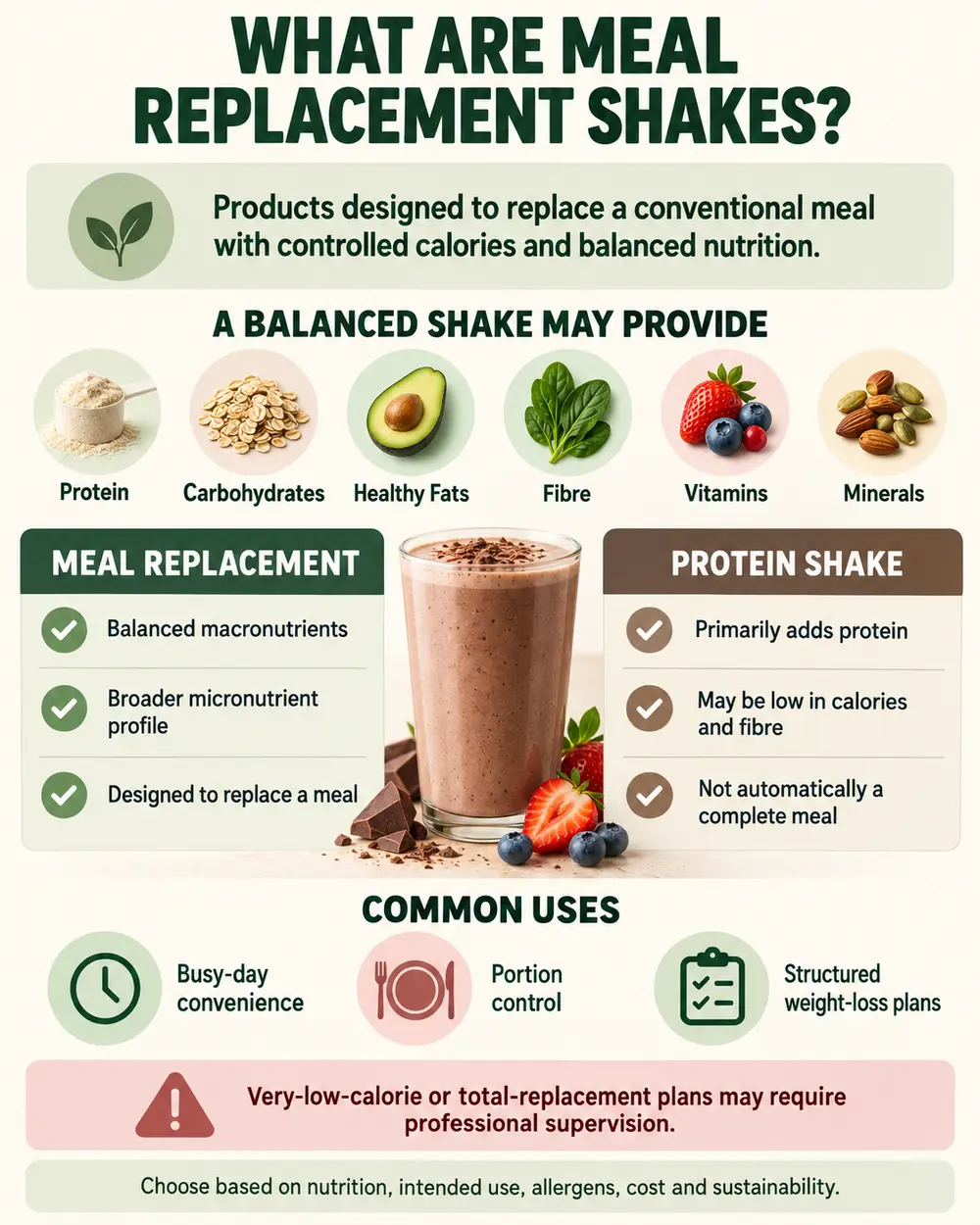
Meal replacement shakes are powdered or ready-to-drink products formulated to replace a conventional meal while providing a controlled amount of calories, protein, carbohydrates, fats, and essential micronutrients.
Unlike ordinary protein shakes, a genuine meal replacement offers a more balanced nutritional profile rather than primarily increasing protein intake.
Some meal replacement shakes are intended for occasional use, such as replacing breakfast or lunch on a busy day.
Others form part of structured weight-loss programs in which several, or occasionally all, daily meals are replaced for a limited period under appropriate professional supervision.
Meal replacement shakes can make portion control and calorie intake more predictable, which may explain why structured meal-replacement programs can support weight loss (Astbury et al., 2019).
However, they do not automatically improve diet quality, and most people should still get most of their nutrition from a varied diet of minimally processed foods.
Best Meal Replacement Shake Brands at a Glance
| Brand | Best for | Main advantage | Important limitation |
|---|---|---|---|
| Shake That Weight | Structured plans on a budget | Multiple calorie-controlled plans and relatively low cost per meal | Very-low-calorie plans may require professional supervision |
| Purition | Whole-food ingredients | Nuts, seeds, fibre, protein, and minimal additives | Not a conventional nutritionally complete meal replacement |
| Huel | Convenient everyday nutrition | Complete macronutrient and micronutrient profile | Does not provide a guided weight-loss programme |
| LighterLife | Coaching and accountability | Food products combined with behavioural support | More structured and potentially more expensive |
| The Fast 800 | People interested in intermittent fasting | Integrates shakes into a wider fasting programme | The approach may feel restrictive |
| OWYN | Ready-to-drink, allergen-conscious convenience | Plant-based and easy to carry | Availability and formulations vary by market |
Prices, formulations, flavours, and program details can change.
Always check each company’s current label and website before purchasing.
Best Meal Replacement Shake for Structured Plans at a Lower Cost per Meal: Shake That Weight
Shake That Weight offers shakes alongside soups, bars, breakfasts, snacks, and prepared meals intended for structured weight-management plans.
Its current shake formulations provide approximately 20 grams of protein, fibre, and more than 20 vitamins and minerals per serving, although exact nutrition varies by flavour.
This makes them closer to formulated meal replacements than ordinary protein shakes.
Shake That Weight offers several levels of structure, including an 800-calorie Total Plan, 1,000-calorie Everyday Plan, 1,200-calorie Active Plan, 5:2 fasting plan, and maintenance plan.
That flexibility is useful because someone replacing one rushed meal has different needs from someone following a full meal-replacement programme.
Prices advertised from approximately £1.85 per meal also make the range comparatively accessible, but shoppers should calculate the current cost based on their chosen bundle and delivery fees.
What I Like
- Multiple plan structures
- Approximately 20 grams of protein in certain shakes
- More than 20 added vitamins and minerals
- Shakes, bars, soups, meals, and vegan choices
- Lower entry price than many coaching-based programmes
What to Consider
The lowest-calorie plans are substantially more restrictive than replacing one meal per day.
An 800-calorie program should not be treated as an ordinary healthy-eating plan, particularly for athletes, highly active people, pregnant or breastfeeding women, people with eating-disorder histories, or anyone managing a medical condition.
The UK’s National Institute for Health and Care Excellence recommends using diets below 800 calories only as part of a specialist weight-management strategy that includes clinical support and is nutritionally complete (National Institute for Health and Care Excellence [NICE], 2025).
Best fit: Someone in the UK who wants a defined weight-loss structure and prioritizes nutritional completeness, variety, and cost per meal.
Best for Whole-Food Ingredients: Purition
Purition takes a noticeably different approach by combining ingredients such as nuts, seeds, fruit, fiber, and either dairy or plant protein.
Its products contain protein, fibre, and naturally occurring fats without artificial sweeteners, flavourings, gums, or synthetic vitamin fortification.
The resulting texture is nuttier and less smooth than a conventional powdered shake.
Purition itself explains that it is not a meal replacement in the traditional regulatory or formulation sense.
It can replace breakfast or lunch, but it should be evaluated as a convenient whole-food blend rather than as a complete total-diet-replacement product.
That makes Purition attractive when ingredient simplicity matters more than following a precisely fortified weight-loss programme.
What I Like
- Recognizable whole-food ingredients
- Original and vegan varieties
- Protein, fibre, and unsaturated fats
- No artificial sweeteners or synthetic vitamin blend
- Can be blended with milk or mixed into yogurt or porridge
What to Consider
The milk, yogurt, fruit, or other ingredients you add can materially change the calories and nutritional profile.
People with nut, seed, dairy, or other food allergies must also review the specific formulation carefully.
Best fit: Someone who wants a minimally processed breakfast or small lunch and is comfortable building the rest of their diet independently.
Best for Nutritionally Complete Everyday Food: Huel
Huel is one of the most recognizable nutritionally complete food brands and offers powders, ready-to-drink products, instant meals, and snack options.
A standard serving of Huel Powder currently provides 400 calories, 30 grams of plant protein, approximately 8–10 grams of fiber, essential fats, and all 27 essential vitamins and minerals.
Its main protein sources include pea, fava bean, and brown rice protein.
Huel’s strength is convenience rather than intensive weight-loss guidance. You can use it to replace an occasional meal without committing to an 800- or 1,000-calorie programme.
However, that flexibility places responsibility on the user to determine serving frequency, calorie intake, and how Huel fits alongside regular meals.
What I Like
- Substantial protein and fibre
- Complete vitamin and mineral profile
- Fully plant-based
- Powdered and ready-to-drink formats
- More substantial than many low-calorie diet shakes
What to Consider
A 400-calorie serving may fit well as an ordinary meal but is considerably higher in calories than many weight-loss shakes.
Its oat, fibre, and gum content may also require gradual introduction for people with sensitive digestion.
Best fit: Someone who wants a convenient plant-based meal for work, travel, or busy days without joining a formal diet programme.
Best for Coaching and Accountability: LighterLife
LighterLife combines formulated food products with behavioural education and support.
The program’s emphasis on accountability distinguishes it from brands that simply sell shakes.
That can be valuable because long-term results are influenced by adherence, food habits, and the transition back to ordinary meals, not merely the nutritional composition of the replacement product.
LighterLife may make more sense for someone who has repeatedly struggled with self-directed diets and believes regular support will improve consistency.
What I Like
- Greater emphasis on behavioural support
- Clearly structured programme
- Multiple food-replacement formats
- Guidance extending beyond choosing a shake
What to Consider
A managed programme generally involves more commitment and potentially greater expense than purchasing shakes independently.
Before enrolling, check the current programme cost, level of professional support, cancellation terms, and transition strategy.
Best fit: Someone who values accountability and structured behavioural support more than maximum flexibility.
Best for an Intermittent-Fasting Programme: The Fast 800
The Fast 800 was developed around the work of the late Dr. Michael Mosley and combines calorie restriction, Mediterranean-style eating, and intermittent fasting.
Meal replacement shakes are one component of the broader program, not the entire method.
This makes The Fast 800 meaningfully different from brands designed primarily as convenient everyday food.
Intermittent fasting can help some people reduce total calorie intake, but research does not consistently show that it produces greater weight loss than continuous calorie restriction when calories and support are comparable (Liu et al., 2022).
Its practical value therefore depends on whether defined eating windows make your diet easier or harder to maintain.
What I Like
- Combines meal replacements with a broader eating framework
- Emphasizes Mediterranean-style foods
- Offers more guidance than a standalone shake
- May appeal to people who prefer defined eating windows
What to Consider
Combining fasting with a low-calorie plan may be unnecessarily restrictive for some people.
It is also unlikely to suit athletes who need regular energy around training, people with certain medical conditions, or anyone with a history of disordered eating unless an appropriate healthcare professional is involved.
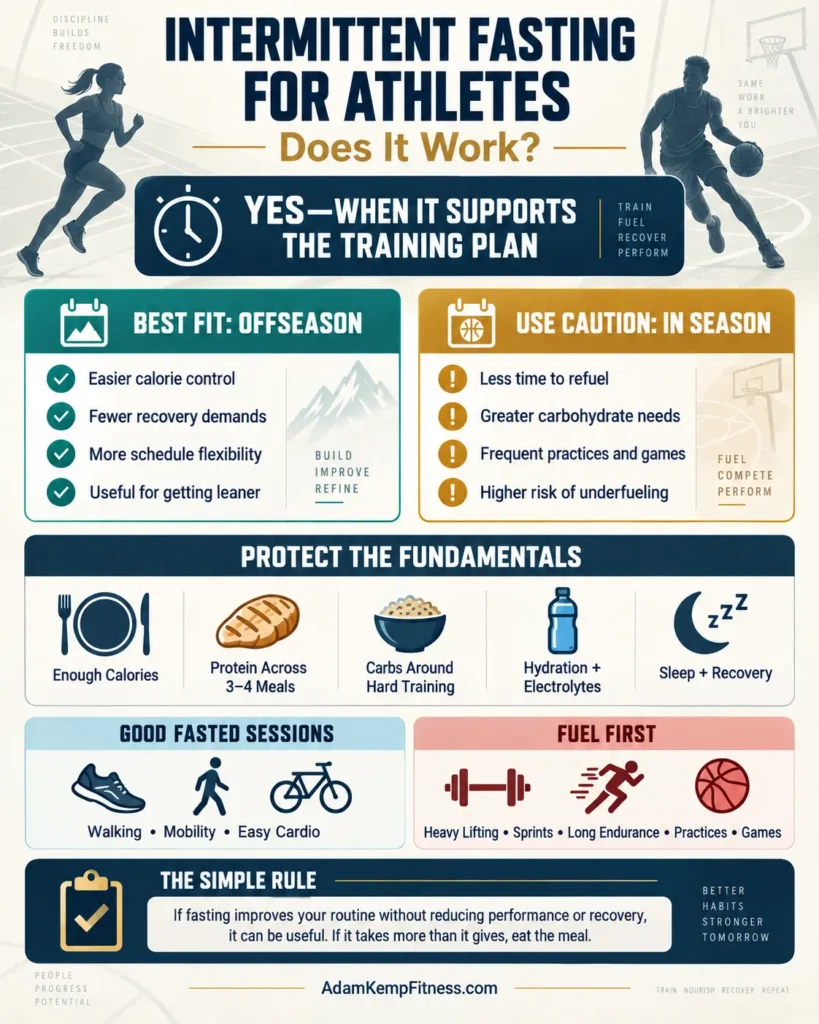
Best fit: Someone who already prefers intermittent fasting and wants a programme built around that eating pattern.
Where Do OWYN Shakes Fit?
OWYN stands for “Only What You Need” and offers plant-based ready-to-drink protein and balanced-nutrition shakes.
OWYN is not one of my five featured options because it primarily serves a different use case. It is particularly useful for people seeking a portable, dairy-free drink rather than a UK-based structured weight-loss programme.
Its ready-to-drink format can work well during travel, after training, or when refrigeration and meal preparation are difficult.
However, OWYN has several product lines with different calorie and protein quantities, so a protein shake should not automatically be treated as nutritionally equivalent to its Balanced Nutrition products.
You can read my complete OWYN protein shake review for a closer analysis of its ingredients, benefits, and limitations.


Last update on 2026-09-09 / This article includes affiliate links/Images via Amazon Product Advertising API. I may earn commissions on purchases made through these links.
Meal Replacement Shake vs. Protein Shake: What Is the Difference?
A protein shake is primarily designed to increase protein intake.
It may contain little carbohydrate, fat, fiber, or micronutrients and therefore may not provide enough energy or nutritional variety to replace a meal.
A meal replacement should provide meaningful amounts of protein, carbohydrates, fats, vitamins, and minerals.
Nevertheless, products intended to replace one meal are not necessarily appropriate as the sole source of nutrition for an entire day.
This distinction is particularly important for active people.
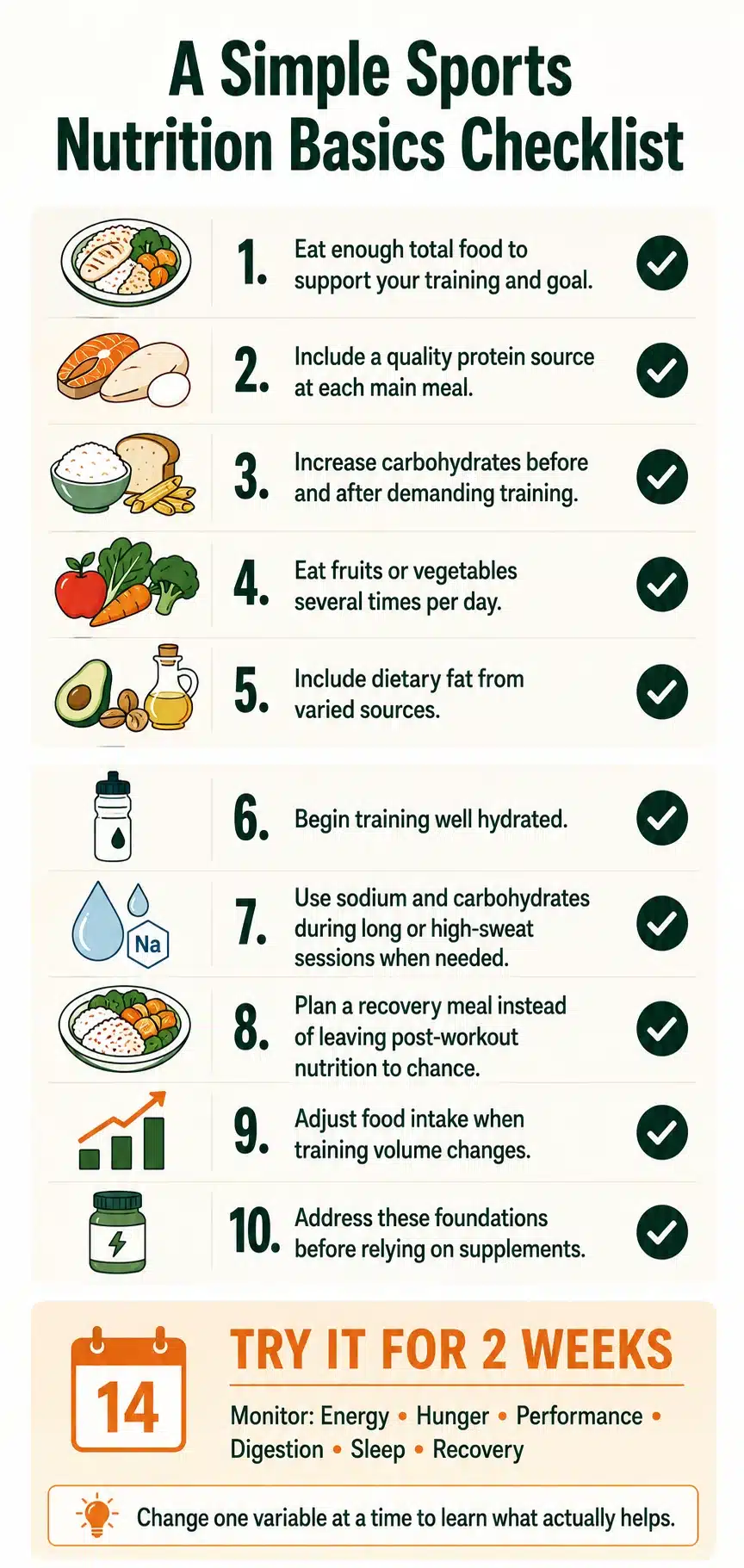
My sports nutrition guides explain why athletes also need sufficient carbohydrates, fluids, electrolytes, and total energy, not simply more protein.
Are Meal Replacement Shakes Effective for Weight Loss?
Meal replacement programs can support weight loss by reducing decision-making, controlling portions, and making calorie intake more predictable.
A systematic review of randomized controlled trials found that programmes incorporating meal replacements generally produced greater weight loss at one year than comparison diets using conventional foods alone, although results still depended on adherence and the surrounding support programme (Astbury et al., 2019).
That does not mean the shake itself causes fat loss.
Weight loss still depends largely on maintaining an appropriate calorie deficit over time, while the product’s primary advantage is making that deficit easier to follow.
Protein is another relevant consideration because an adequate intake can support satiety and help preserve lean tissue during calorie restriction.
My complete protein guide explains how protein requirements change with body size, activity level, age, and training goals.
What to Check Before Choosing a Meal Replacement Shake
1.) Intended Use
Determine whether the product is designed as a snack, protein supplement, occasional meal replacement, or total diet replacement.
Do not assume those categories are interchangeable simply because they are all sold as powders or ready-to-drink shakes.
2.) Calories per Serving
A 150-calorie diet shake and a 400-calorie nutritionally complete shake serve different purposes.
Consider the calories after adding milk, yogurt, fruit, nut butter, or other ingredients rather than evaluating the powder alone.
3.) Protein
Protein supports satiety and helps preserve muscle during weight loss, but your total daily intake matters more than the amount in one shake.
For many adults, 20–40 grams per meal is a practical range, though individual needs depend on body size, age, training, and overall diet (Jäger et al., 2017).
4.) Fiber
Fiber can improve the shake’s staying power and contribute to digestive health.
Increase dietary fiber gradually and drink enough fluid if you are switching from a relatively low-fiber diet.
5.) Nutritional Completeness
Check the full nutrition label rather than relying on words such as “healthy,” “natural,” or “balanced.”
A short ingredient list does not automatically make a product nutritionally complete, while a fortified product is not automatically inferior.
6.) Allergens and Dietary Requirements
Review milk, soy, gluten, nut, seed, and sweetener content carefully.
“Plant-based” does not mean allergen-free, and recipes can change even when the front of the package looks familiar.
7.) Cost per Prepared Meal
Divide the total price by the number of realistic servings and include required additions, shipping, and subscription conditions.
This provides a more useful comparison than looking only at the price of the tub or starter pack.
8.) Sustainability After the Programme
Consider what happens when you stop using the shakes.
A worthwhile programme should help you transition toward meals you can shop for, prepare, and maintain.
My guide on how to meal prep can help bridge that gap with simple, repeatable meals.
Which Meal Replacement Shake Brand Is Best?
There is no universal winner because these brands solve different problems.
Choose Shake That Weight if you want an affordable, structured UK weight-loss plan with several levels of meal replacement.
Choose Purition if recognizable whole-food ingredients matter more than conventional nutritional fortification.
Choose Huel if you want a substantial plant-based meal that can fit into an ordinary day.
Choose LighterLife when coaching and accountability are the priorities, or The Fast 800 if you specifically want meal replacements integrated into an intermittent-fasting framework.
OWYN is a convenient additional option for plant-based ready-to-drink nutrition, especially in the United States, but it is better approached as a portable nutrition product than as a complete weight-loss programme.
Final Thoughts on Meal Replacement Shakes
Meal replacement shakes can make everyday nutrition more predictable, but convenience should support a sustainable, balanced diet rather than replace it entirely.
Compare calories, protein, fiber, micronutrients, allergens, cost, and programme support before buying.
If you are considering a total diet replacement or a very-low-calorie plan, consult a qualified healthcare professional who can determine whether it is appropriate for your health and medications.
Last update on 2026-09-09 / This article includes affiliate links/Images via Amazon Product Advertising API. I may earn commissions on purchases made through these links.
This website does not provide medical advice. This website site does contain affiliate links, and purchases may earn a commission.
Read my Medical Disclaimer, Review Disclaimer, and Publishing Policies for more details. Use of this site indicates acceptance of these terms.