Sports Nutrition Basics Guide for Better Performance
 Reading Time: 20 minutes
 Consistently poor nutrition can undermine a productive training program. Whether you play competitive sports, lift weights, run recreationally, or train for general health, the same sports nutrition basics apply: consume enough energy, balance your macronutrients, stay hydrated, and adjust your food intake to match the work you are doing.
I have learned through more than a decade of professional basketball that performance nutrition rarely comes down to one special food or supplement.
My formal education in nutrition helped me understand the science, but years of practice, games, travel days, injuries, and changing training schedules taught me how that science has to work in real life.
Athletes often become interested in supplements, strict diets, or detailed nutrient timing before they have built a dependable foundation.
Those details can matter, but they cannot replace the basics of sports nutrition: eating enough food, getting enough protein and carbohydrates, eating a varied diet, and drinking enough fluids.
What Is Sports Nutrition?
Sports nutrition is the practice of using diet to support training, recovery, health, and performance, recognizing that an athlete’s nutritional needs can change with body size, sport, training load, environment, schedule, and goals.
For example, a basketball player who completes two practices per day does not need the same diet as someone who lifts weights three times per week.
Even the same athlete may need substantially more food during preseason than during an offseason recovery week.
Good sports nutrition therefore involves more than choosing “healthy” foods.
Good sports nutrition matches energy and nutrient intake for the work your body and mind are being asked to perform.
What are the Basics of Sports Nutrition?
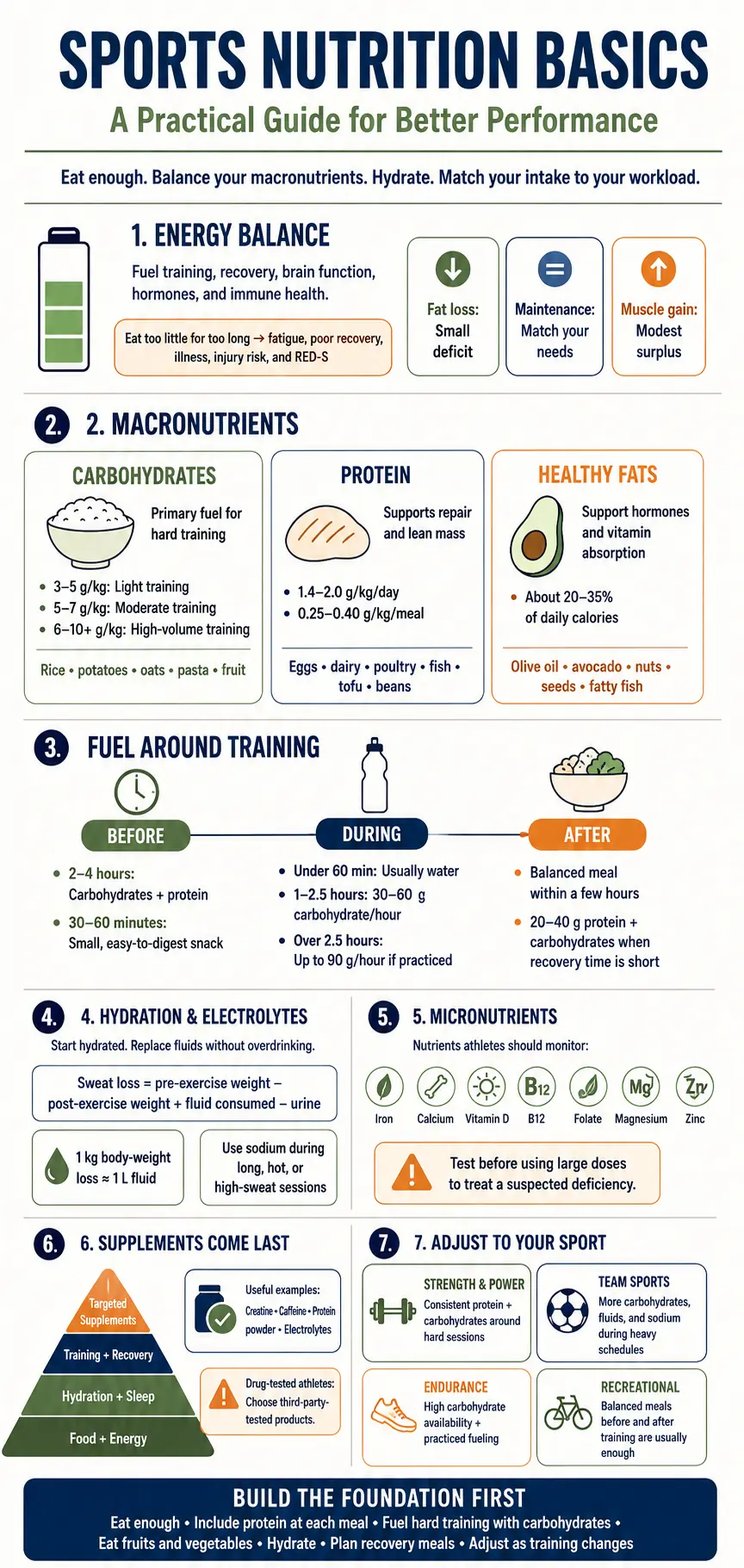
The basics of sports nutrition involve consuming enough total energy, balancing carbohydrates, protein, and dietary fat, staying properly hydrated, and choosing foods and drinks that provide the vitamins and minerals your body needs.
These principles support training performance, recovery, body composition, and long-term health.
However, effective sports nutrition is not a fixed diet that works for every athlete.
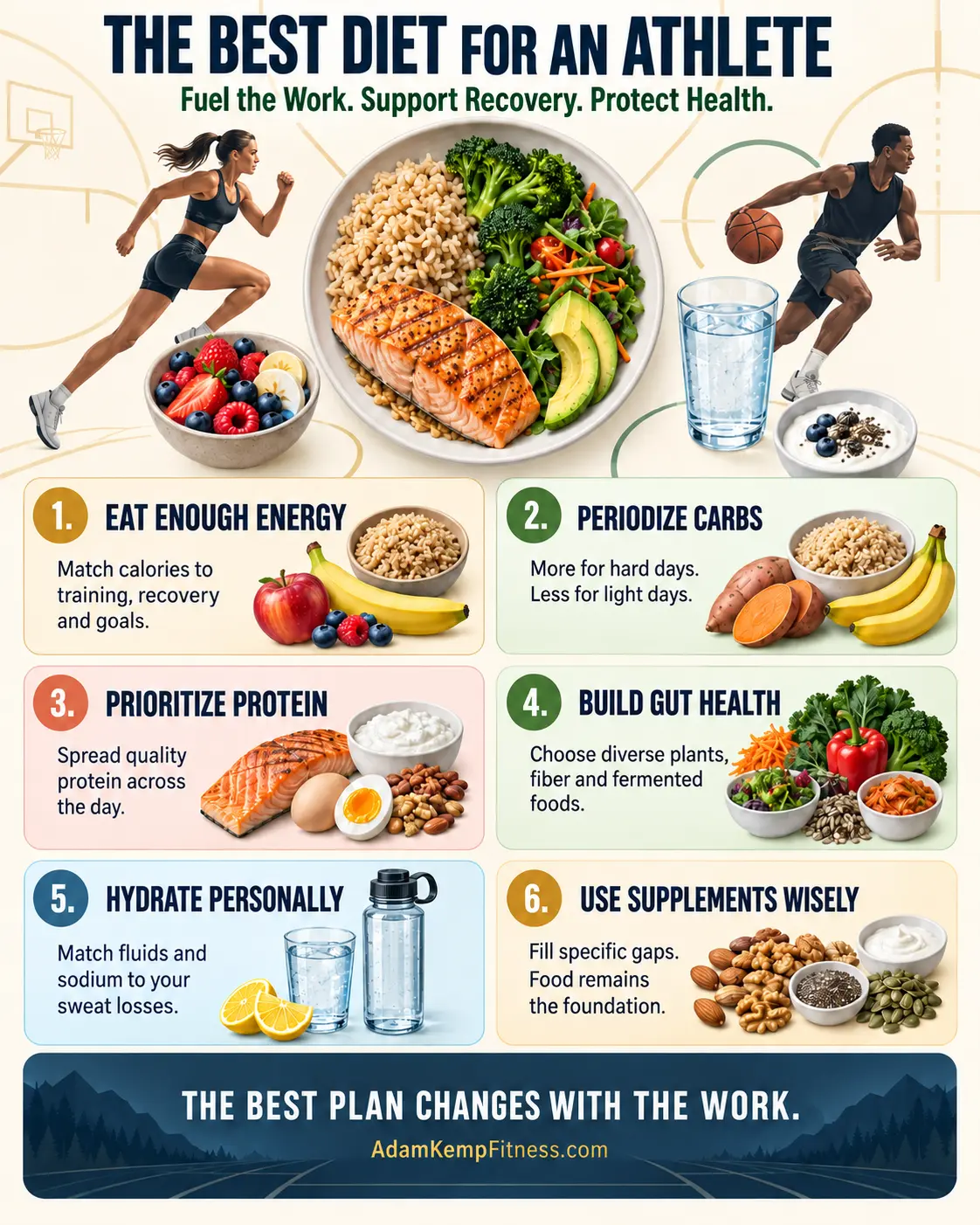
The best diet for an athlete varies by athlete, and your food and fluid needs should reflect your body size, sport, training intensity, schedule, environment, and current goals, which may change considerably between hard training days and recovery days.
Energy Balance
Calories provide the energy needed for movement, tissue repair, brain function, immune function, and normal physiological processes.
Carbohydrates, protein, and dietary fat all contribute to total energy intake, although each has a different role.
Consistently consuming less energy than your body needs can eventually affect training quality, recovery, mood, sleep, bone health, hormone function, and injury risk. In athletes, prolonged low energy availability may contribute to relative energy deficiency in sport, commonly known as RED-S (Mountjoy et al., 2023).
Low energy availability does not always produce obvious or immediate weight loss. An athlete can maintain a relatively stable body weight while the body reduces energy expenditure in other physiological systems.
Possible signs that an athlete is not eating enough include:
- Declining performance without a clear training-related explanation
- Persistent fatigue or irritability
- Frequent illnesses or injuries
- Difficulty recovering between sessions
- Disrupted sleep
- Loss of menstrual function or reduced libido
- Constant thoughts about food
- Unintended weight loss or difficulty maintaining muscle
These symptoms can have many causes, so they should not be used to diagnose RED-S without professional evaluation.
However, they are good reasons to review your diet, training load, sleep, and overall health.
Adjust Calories According to Your Goal
Someone attempting to lose body fat may benefit from a controlled calorie deficit, but the deficit should be small enough to preserve training quality and lean mass.
Severe restriction often leads to flat workouts, persistent hunger, and a diet that is difficult to sustain.
When fat loss is the goal, maintain a high protein intake, keep resistance training in the program, and place enough carbohydrates around demanding sessions.
Losing weight more slowly is often a worthwhile trade when it helps you continue training well.
Building muscle generally requires progressive strength training and enough food to support tissue growth.
A modest calorie surplus is usually more useful than force-feeding large amounts of food, which can lead to unnecessary fat gain and digestive discomfort.
Body weight can help you evaluate whether your intake matches your goal, but it should not be the only measurement.
Training performance, energy, hunger, recovery, waist measurements, and changes in body composition provide additional context.
Macronutrients
Carbohydrates, protein, and fat are called macronutrients because the body needs them in relatively large amounts.
Each supports performance differently, so removing an entire macronutrient can make an athlete’s diet unnecessarily restrictive.
Carbohydrates Provide Fuel for High-Intensity Exercise
Carbohydrates are stored in the muscles and liver as glycogen.
This stored fuel becomes especially important during sprinting, repeated jumps, court sports, high-volume strength training, and endurance exercise performed at moderate or high intensities.
When carbohydrate availability is low, the body can still exercise, but maintaining speed, power, concentration, and total work may become more difficult.
Athletes completing repeated demanding sessions have a greater need to replace glycogen between workouts (Thomas et al., 2016).
Carbohydrate requirements should be based on training demands rather than a fixed percentage of daily calories. Approximate daily targets include:
- 3–5 grams per kilogram of body weight: Light training or skill-based activity
- 5–7 grams per kilogram: Moderate training of approximately one hour per day
- 6–10 grams per kilogram: Moderate-to-high-volume endurance or intermittent training
- 8–12 grams per kilogram: Very high training loads or prolonged endurance exercise
These ranges are starting points rather than requirements for every athlete.
A 110-kilogram basketball player, for example, may not need to consume the highest calculated amount every day simply because of his body weight.
I prefer to adjust my carbohydrate intake based on the upcoming workload.
Hard practices, games, conditioning sessions, and high-volume lifting days require more fuel than recovery days or light shooting workouts.
Useful carbohydrate sources include:
- Fruit and dried fruit
- Potatoes and sweet potatoes
- Rice, oats, pasta, bread, and cereal
- Beans, lentils, and other legumes
- Milk and yogurt
- Fruit juice, sports drinks, gels, and other sport-specific products
- Honey, maple syrup – as sweeteners
Less-processed sources generally provide more fiber and micronutrients, but faster-digesting carbohydrates can be valuable around training.
For example, white rice, cereal, juice, or a sports drink is often easier to tolerate before a hard session than a large serving of beans or raw vegetables.
Protein Supports Repair, Adaptation, and Lean Mass
Protein supplies the amino acids used to repair and maintain muscle and other tissues.
Exercise increases protein turnover, which is one reason active people generally need more protein than sedentary adults.
A useful daily protein range for most athletes is approximately 1.4–2.0 grams per kilogram of body weight, or about 0.6–0.9 grams per pound.
Athletes restricting calories, older athletes, and those focused on maximizing muscle growth may benefit from the upper end of this range (Jäger et al., 2017).
I usually think of daily protein intake as the first target and meal distribution as the second.
Reaching a good total matters, but distributing that protein over several meals gives the body repeated opportunities to support muscle protein synthesis.
Most athletes can aim for approximately 0.25–0.40 grams of protein per kilogram per meal, usually spread across three to five meals.
Depending on body size, this often equals about 25–50 grams per meal.
Quality protein sources include:
- Eggs and dairy products
- Poultry, lean meat, and fish
- Greek yogurt and cottage cheese
- Tofu, tempeh, soy foods, beans, and lentils
- Protein powders
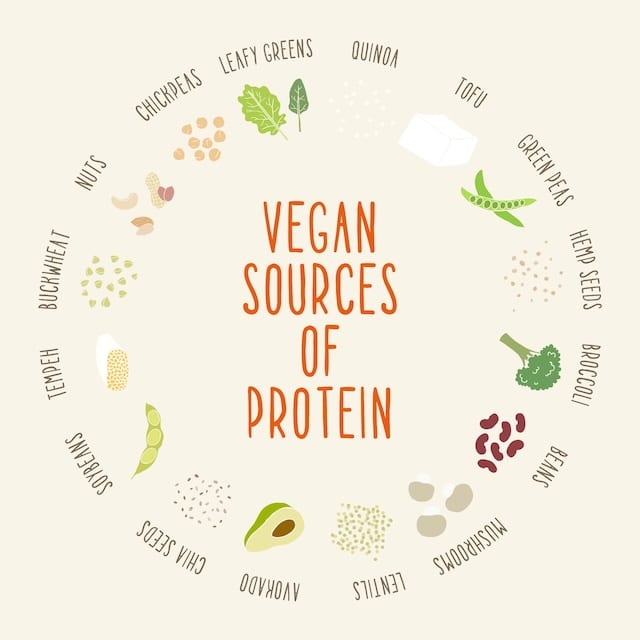
Plant-based diets can provide sufficient protein, although athletes may need to pay closer attention to total intake, protein variety, and essential amino acids.
Combining several vegan protein sources throughout the day can make it easier to meet these needs.
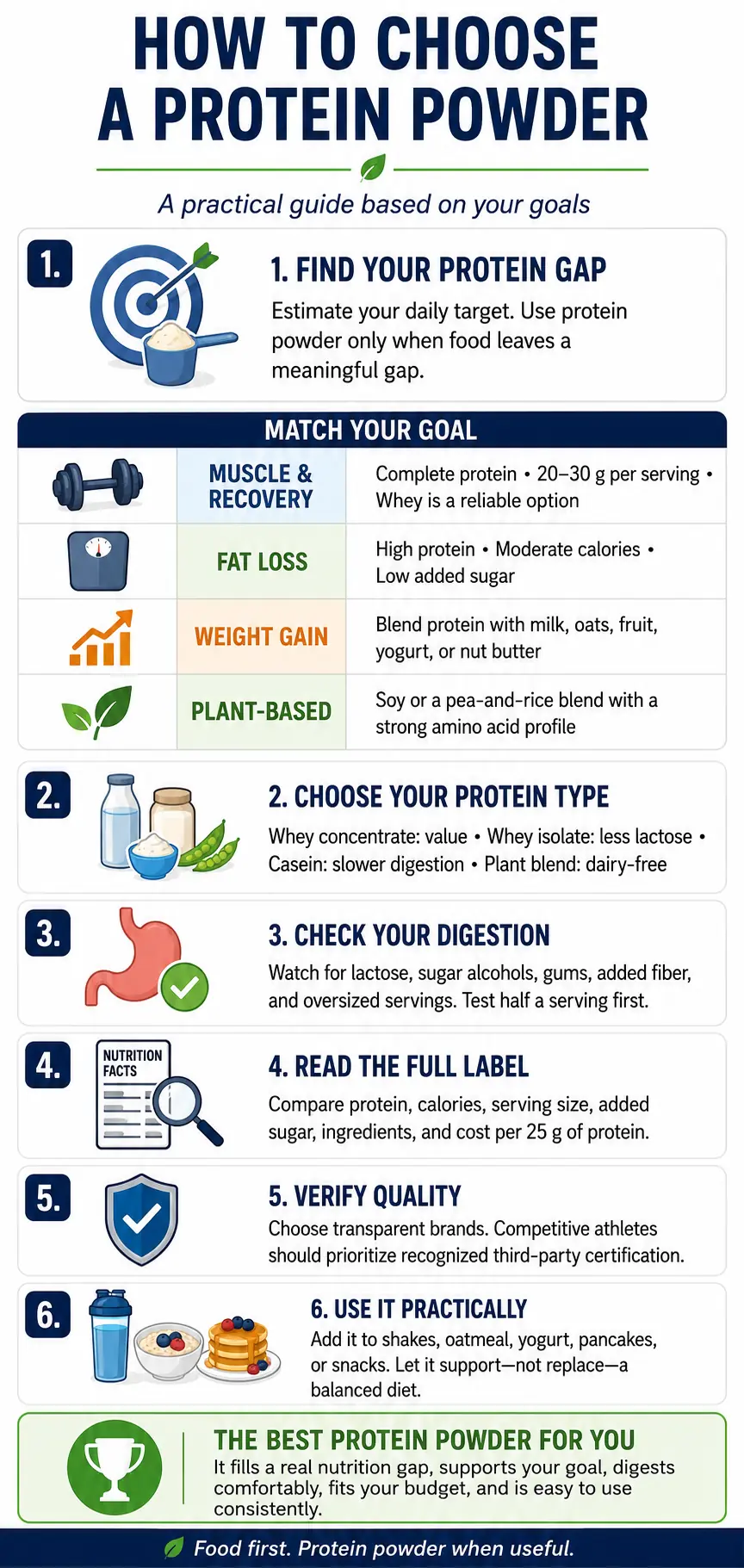
Protein powder supplements are convenient when practices, travel, work, or appetite make a full meal difficult.
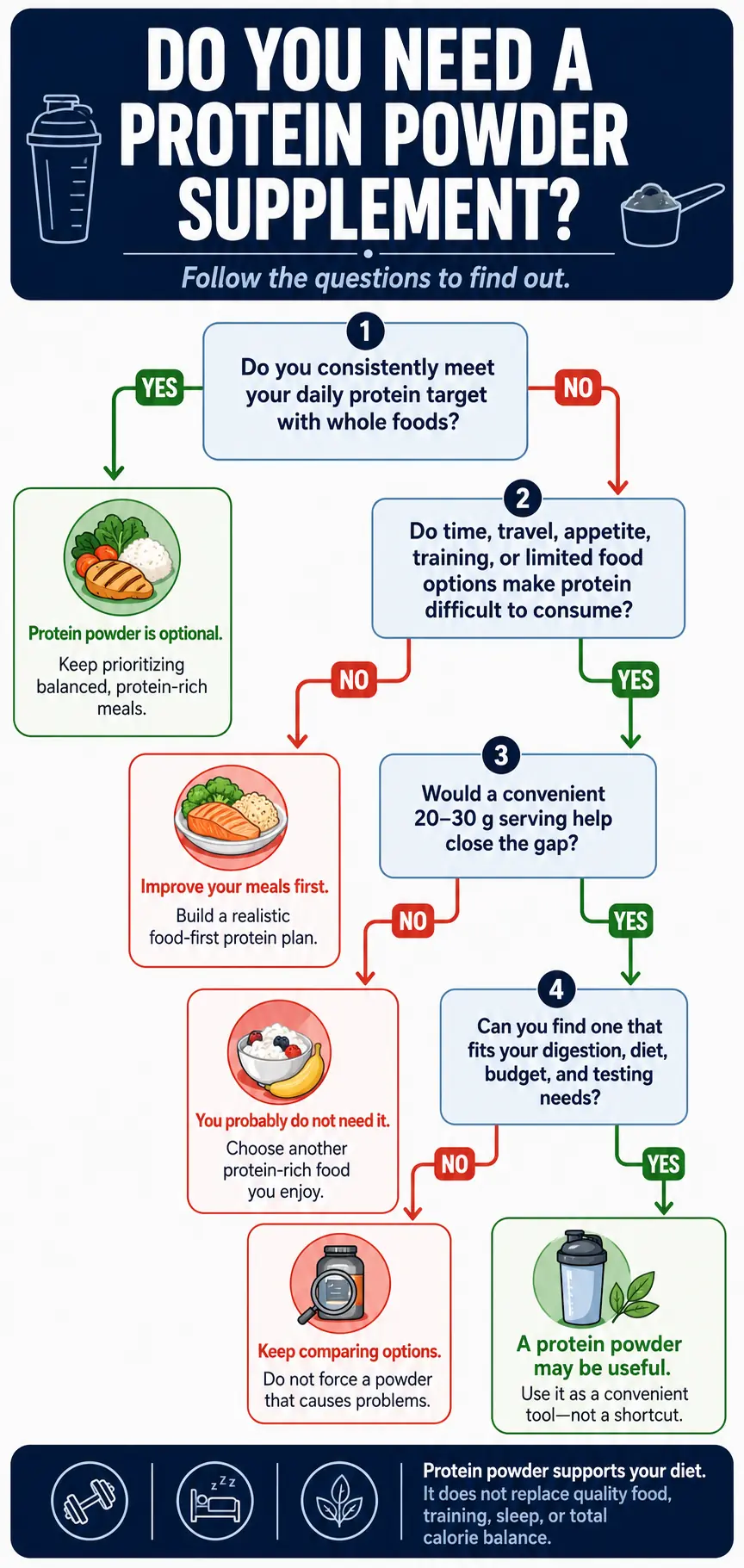
However, they should be treated as a practical food supplement rather than the foundation of the diet.
Dietary Fat Supports Health and Nutrient Absorption
Dietary fat supplies energy, contributes to cell structure, and assists with the absorption of vitamins A, D, E, and K. It also provides essential fatty acids that the body cannot produce on its own.
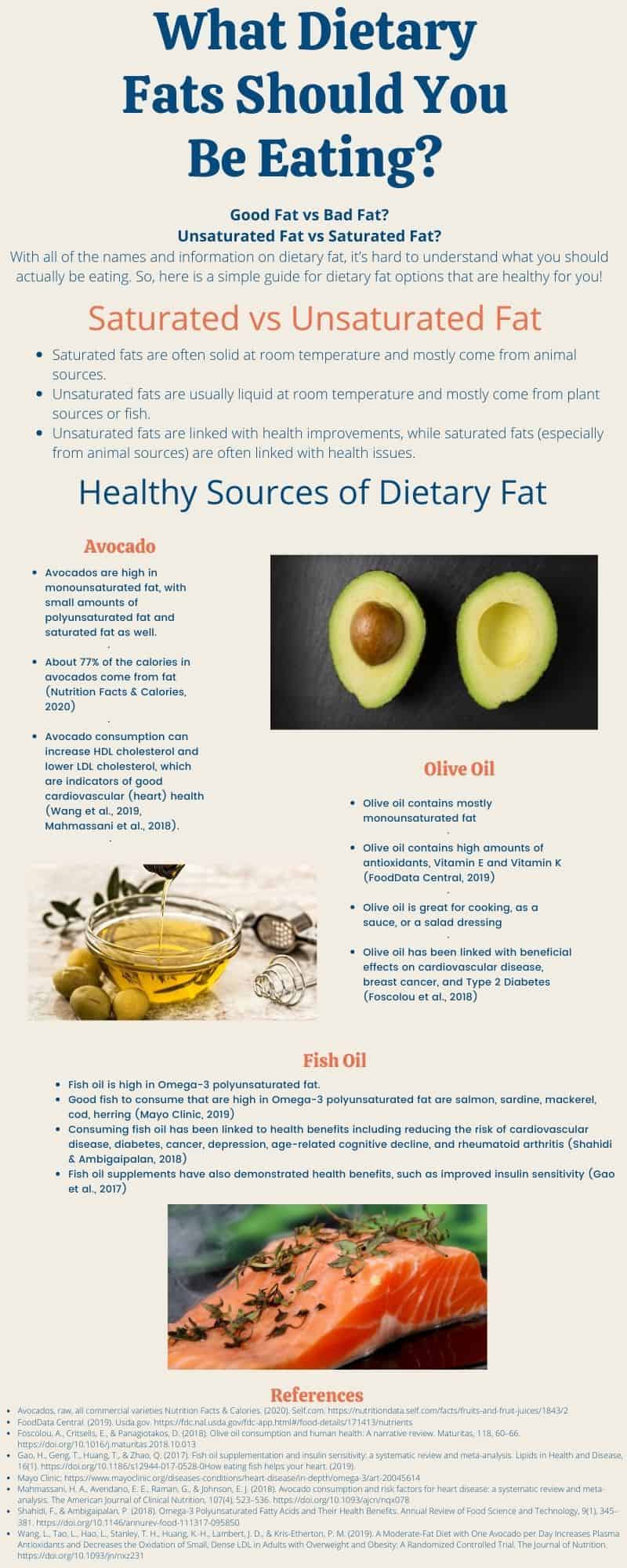
Most athletes do not need an extremely high-fat or low-fat diet. Fat commonly provides approximately 20%–35% of total calorie intake, although individual needs and preferences vary (Thomas et al., 2016).
Useful fat sources include:
- Extra-virgin olive oil
- Nuts, seeds, and nut butter
- Avocado
- Whole eggs
- Salmon, sardines, and other fatty fish
- Dairy products
Fat slows stomach emptying, which can improve satiety and satisfaction after a normal meal but may cause discomfort immediately before intense exercise.
Larger servings of fat generally fit better in meals eaten several hours away from training.
Hydration
Hydration is one of the sports nutrition basics because fluid plays a crucial role in supporting blood circulation, temperature regulation, and exercise performance.
Beginning exercise adequately hydrated and replacing appropriate amounts of fluid during activity helps limit the strain caused by dehydration (McDermott et al., 2017).
Like calorie and carbohydrate needs, fluid requirements change with your training.
Sweat losses vary with exercise intensity, duration, body size, clothing, and environmental conditions, so a fixed daily water target will not suit every athlete (McDermott et al., 2017).
A practical approach is to drink regularly throughout the day, keep fluids accessible during training, and replace losses afterward.
Water is usually sufficient for workouts lasting less than an hour, while longer sessions or heavy sweating may warrant additional sodium and, when fuel is needed, carbohydrates (McDermott et al., 2017).
More fluid is not always better. Drinking beyond your losses can dangerously dilute blood sodium, so the goal is to meet your needs without forcing excessive amounts of water or sports drinks (McDermott et al., 2017).
The Best Hydration Drinks for Athletes
The best hydration drinks for athletes depend on whether you need fluids, electrolytes, carbohydrate fuel, or a combination of all three.
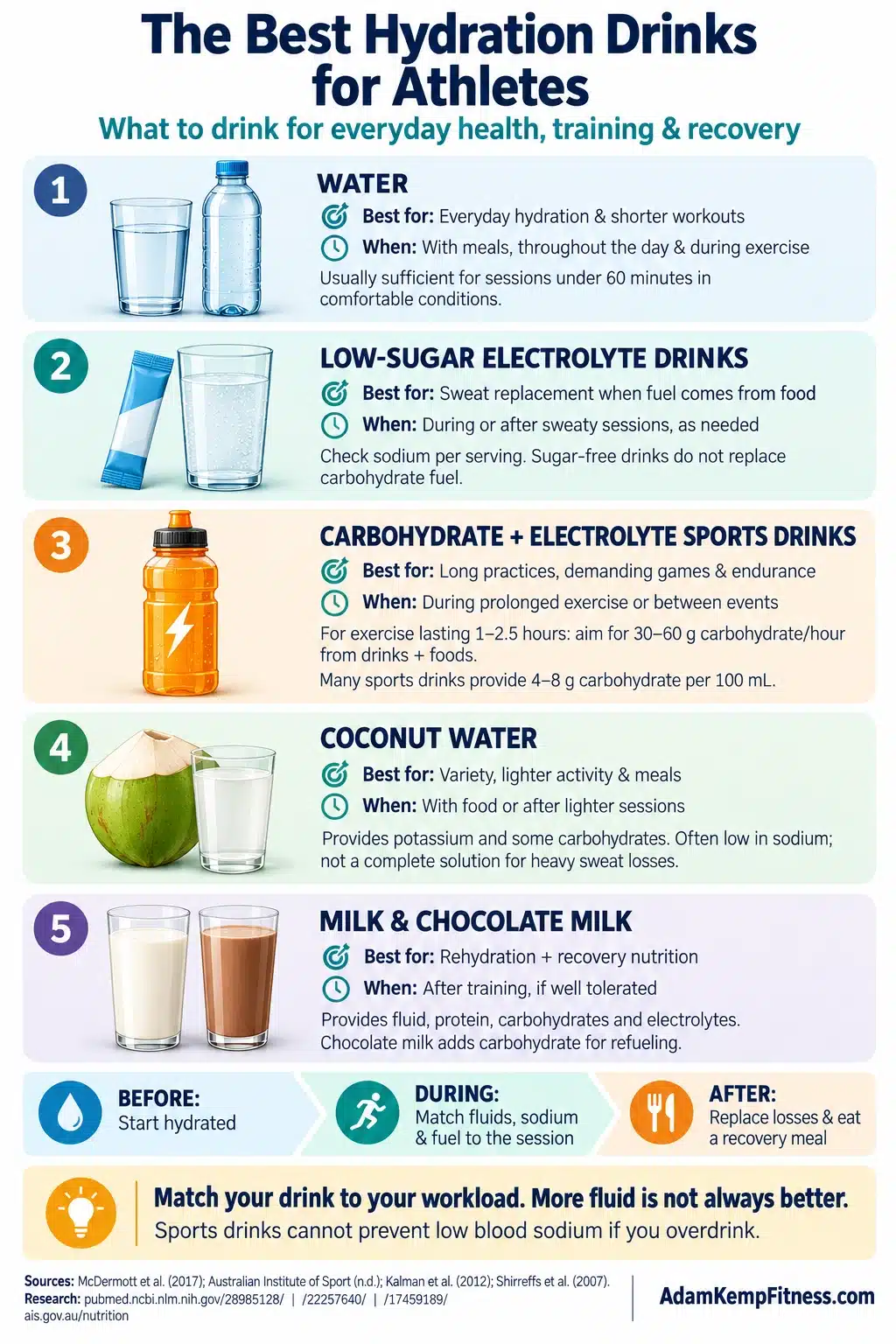
Water covers many everyday needs, while demanding practices, competitions, and recovery periods may call for a different approach (McDermott et al., 2017).
My approach is always to choose the drink that fits the work ahead.
When comparing the best sports drinks, consider their sodium and carbohydrate content alongside your sweat losses, training demands, and personal tolerance.
Water should be your default drink throughout the day and during most short workouts.
For exercise lasting less than approximately an hour in comfortable conditions, water and a balanced diet generally provide adequate hydration support (McDermott et al., 2017).
Drink water with meals, between activities, and during training breaks rather than trying to consume your entire day’s fluid intake immediately before exercise.
Your needs will increase when you sweat more, so adjust your intake to the conditions instead of forcing the same amount every day.
For a more individualized plan, my guide to hydration for athletes explains how to estimate sweat losses and organize fluid intake before, during, and after training.
Low-sugar or sugar-free electrolyte drinks can be useful when you need additional fluid and sodium but already receive enough carbohydrates from meals or snacks.
They can also accompany gels or other carbohydrate sources during longer sessions, allowing you to manage hydration and fueling separately (Australian Institute of Sport [AIS], n.d.-a).
My Celsius Hydration packets review covers one convenient option in this category.
CELSIUS Hydration is caffeine-free and sugar-free, so it serves a different purpose from the brand’s caffeinated energy products.
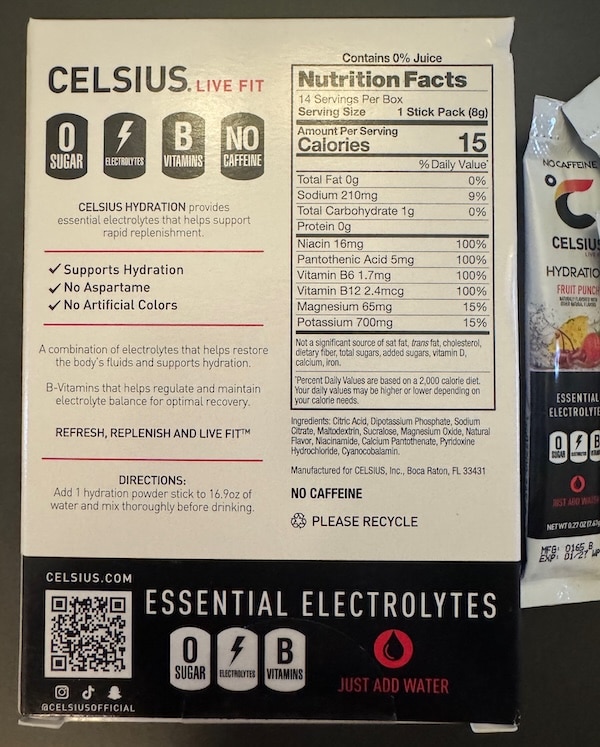
Check sodium per serving rather than choosing a drink simply because the package advertises “electrolytes.”
Sodium replacement deserves particular attention during substantial sweating, but a highly concentrated sodium drink is not automatically necessary for everyday hydration (AIS, n.d.-a).
When exercise is prolonged or demanding, a sports drink containing carbohydrates and sodium can provide fluid and usable energy together.
Many conventional sports drinks contain approximately 4–8 grams of carbohydrate per 100 milliliters, a concentration designed to balance fuel delivery, hydration, and digestive tolerance (AIS, n.d.-b).
This is where judging a drink only by its sugar content becomes misleading.
Carbohydrates that add unnecessary calories during an inactive afternoon can serve a useful performance purpose during a long practice, demanding game, or endurance event.
For exercise lasting approximately 1–2.5 hours, a common target is 30–60 grams of carbohydrate per hour, counting both drinks and foods (AIS, n.d.-c). A zero-sugar electrolyte drink cannot meet that fueling target by itself.
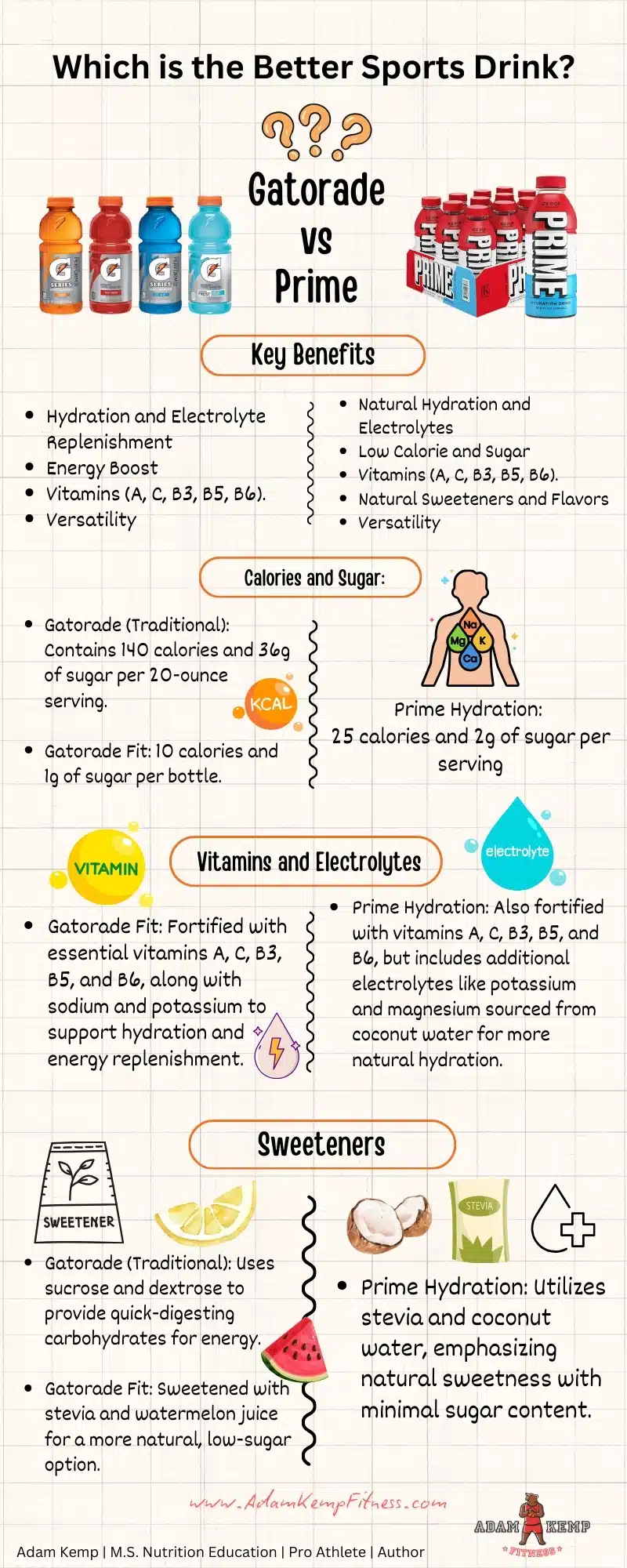
When considering options such as those in my Gatorade vs Prime comparison, ask whether you need hydration alone or hydration plus fuel.
For basketball, planned drink breaks during practice, timeouts, and halftime are practical opportunities to carry out that strategy.
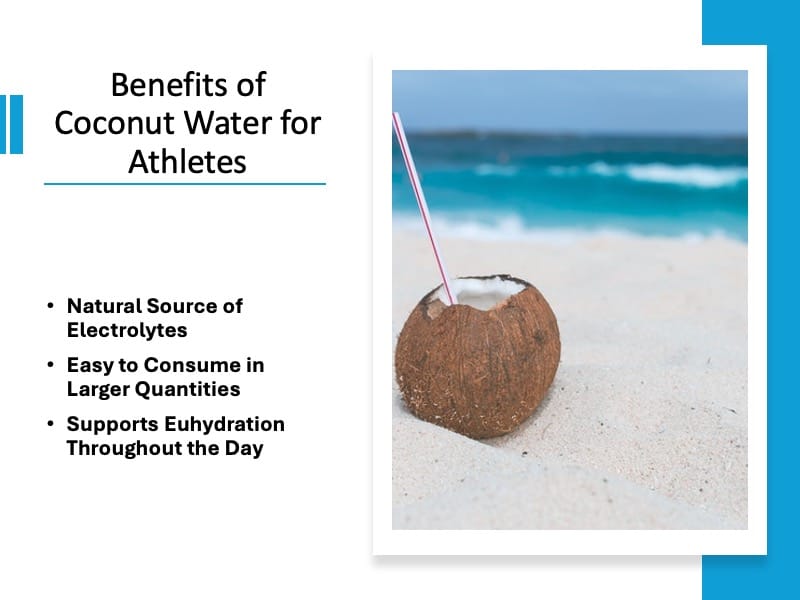
Coconut water provides fluid, naturally occurring carbohydrates, and potassium, making it an enjoyable option with meals or after lighter activity.
However, many varieties contain relatively little sodium, so check the label before relying on it to replace substantial sweat losses.
A small crossover study found broadly similar rehydration and subsequent exercise outcomes with coconut water, bottled water, and a sports drink, without a clear advantage of drinking coconut water for athletes, outside of potentially taste preferance and drink tolerability (Kalman et al., 2012).
If you enjoy the taste of coconut water, it certainly has many positive attributes.
Milk can be useful after exercise because it supplies fluid alongside protein, carbohydrates, and electrolytes. In a small controlled study, low-fat milk supported post-exercise fluid retention more effectively than water or the sports drink tested (Shirreffs et al., 2007).
Plain milk can accompany a recovery meal, while chocolate milk supplies additional carbohydrates when refueling is a priority.
I would generally place these drinks after training rather than during intense exercise, with the amount guided by appetite, digestive tolerance, and the rest of the recovery meal.
For general health, build your routine around water and nutritious meals; for peak performance, add sodium and carbohydrate drinks when the workload calls for them.
Whatever you choose, avoid drinking beyond your needs as much as under drinking , because even electrolyte-containing sports drinks cannot prevent hyponatremia when consumed excessively (McDermott et al., 2017).
How to Build a Balanced Performance Plate
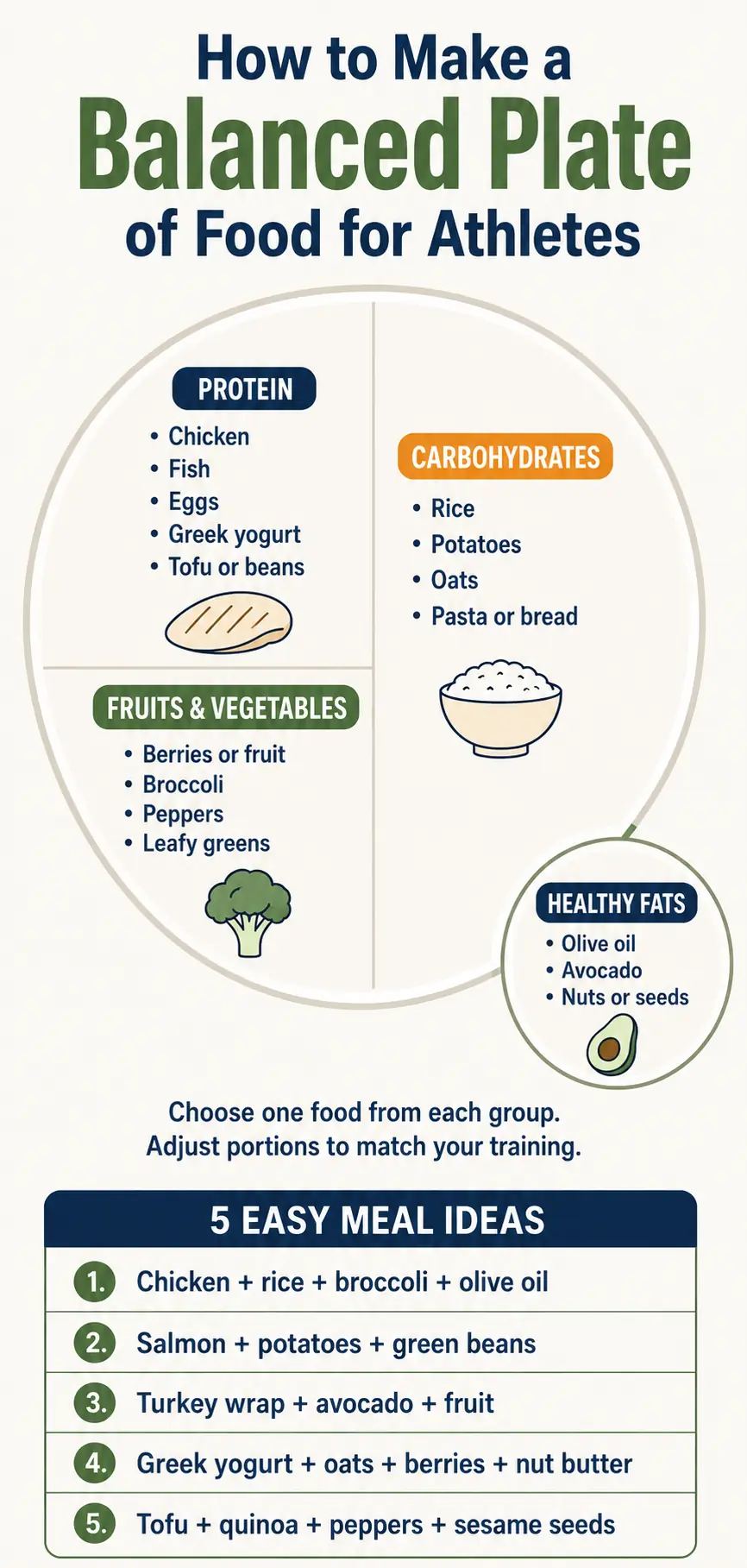
Counting every gram of food is unnecessary for someone learning the basics of sports nutrition.
Instead, learning how to consistently build a balanced plate provides a practical way to support training while leaving room for different foods, schedules, and preferences.
Start with a substantial protein source, add a carbohydrate-rich food such as rice, pasta, potatoes, bread, or fruit, and include vegetables and a source of dietary fat.
The proportions can then change according to the day’s activity and how soon you will be training.
On a light training or recovery day, protein and vegetables may occupy more of the plate, with a moderate serving of carbohydrates.
Before a game or demanding practice, carbohydrates should generally make up a larger portion of the meal because they help supply the energy needed for repeated high-intensity efforts.
My pregame meals usually contain familiar, easy-to-digest carbohydrates, a moderate amount of protein, and less fat than I might eat at other times of the day.
Higher-fat, high-fiber meals take longer to digest and may increase the likelihood of feeling heavy or experiencing stomach discomfort during competition, particularly when eaten close to game time (Berning, 2015).
Spaghetti Bolognese is one of my classic pregame meals because the pasta provides plenty of carbohydrates, while the meat sauce adds protein and other micronutrients from the vegetables.
Another option I enjoy is white rice with scrambled eggs and a small serving of avocado.
The rice is easy to digest, the eggs provide protein, and the avocado adds flavor and some fat without dominating the meal.
For a while, one of my favorite combinations was my wife’s sourdough blueberry pancakes with scrambled eggs, bacon, and avocado.
Although bacon and avocado are higher in fat, smaller portions can still fit into a pregame meal when the pancakes provide most of the energy and the meal is eaten early enough to digest comfortably.
These meals are different, but they follow the same general structure: a generous carbohydrate source, a dependable protein source, and enough fat to make the food satisfying without making the entire meal overly heavy.
The best pregame meal isn’t necessarily the one that looks perfect on paper.
It provides enough fuel, sits comfortably in your stomach, tastes good, and has already worked well for you during training.
This flexible approach is more useful than eating identical meals every day.
Your plate should respond to your training demands, meal timing, and personal digestion.
How to Fuel Before Exercise
A pre-workout meal should help you begin training with enough energy while minimizing digestive discomfort.
Carbohydrates provide fuel, while some protein contributes amino acids that can support recovery.
A normal meal eaten approximately two to four hours before training may include:
- Rice, chicken, and cooked vegetables
- Oatmeal, Greek yogurt, fruit, and honey
- Pasta with lean meat sauce
- A turkey sandwich with fruit and yogurt
- Eggs, toast, and a banana
Meals eaten closer to exercise should generally be smaller and easier to digest. A banana, toast with honey, applesauce, cereal, or a protein shake can be useful when only 30–60 minutes are available.
High-fat foods, large portions of fiber, and unfamiliar meals are more likely to cause gastrointestinal discomfort. This does not make these foods unhealthy; it makes their timing less practical.
Pre-workout nutrition must also account for individual tolerance. The best competition meal is one you have already tested during training.
Use Carbohydrates During Long or Demanding Sessions
Most people do not need calories during a short recreational workout. Water and a normal meal before or after the session are usually enough.
Carbohydrate intake becomes more useful as exercise duration and intensity increase. Approximate targets include:
- Under 60 minutes: Usually no carbohydrate is required during the session
- 1–2.5 hours: Approximately 30–60 grams of carbohydrate per hour
- More than 2.5 hours: Up to approximately 90 grams per hour when the digestive system has been trained to tolerate it
Sports drinks, gels, chews, fruit, and easily digested foods can all work.
The best choice depends on the sport, environment, opportunities to eat or drink, and the athlete’s stomach.
Basketball presents a different challenge than continuous endurance exercise because opportunities to eat are limited.
A sports drink, fruit, or small carbohydrate snack before warm-ups, at halftime, or between games can be more practical than solid food during play.
Eat for Recovery After Exercise
Post-workout nutrition has two primary jobs: supplying protein for tissue repair and replacing the fuel used during training.
Fluid and sodium may also need to be replaced when sweat losses are substantial.
For most people, a balanced meal within a few hours of exercise is sufficient.
The so-called anabolic window does not close immediately after the final repetition.
Recovery nutrition becomes more time-sensitive when another demanding session will occur later that day or early the next morning.
In that situation, consuming carbohydrates and approximately 20–40 grams of protein soon after training can begin the recovery process while a larger meal is prepared (Kerksick et al., 2017).
Practical recovery meals include:
- Rice, lean beef, and vegetables
- Potatoes, salmon, and a salad
- Greek yogurt, oats, fruit, and nuts
- A chicken wrap with fruit
- A smoothie containing milk or yogurt, protein powder, fruit, and oats
A protein shake alone supplies protein but very little glycogen-replacing carbohydrate unless other ingredients are added. That may be enough after a light lifting session, but it is rarely complete recovery nutrition after a long practice or game.
Remember, Hydration Directly Affects Performance
Fluid helps regulate body temperature, circulate nutrients, maintain blood volume, and support normal muscle and brain function.
Sweat losses large enough to reduce body weight by more than about 2% can impair performance, although the effect varies by athlete and activity (Sawka et al., 2007).
There is no universal fluid target that works for every athlete.
Sweat rate changes with body size, exercise intensity, temperature, humidity, clothing, fitness, and acclimatization.
A simple way to estimate sweat loss is to weigh yourself before and after training:
Sweat loss = pre-exercise body weight − post-exercise body weight + fluid consumed − urine produced
One kilogram of body-weight loss represents approximately one liter of fluid.
If you lose two kilograms during a practice after drinking one liter, your estimated sweat loss is approximately three liters.
This information can help you create a more personal hydration plan.
The goal during exercise is generally to limit excessive dehydration without drinking so much that you gain weight.
When Are Electrolytes Necessary?
Water is adequate for many workouts lasting less than an hour, especially in comfortable conditions.
Electrolytes become more relevant during long sessions, hot-weather training, repeated practices, or exercise that produces heavy sweating.
Sodium is the primary electrolyte lost in sweat.
It helps retain fluid and may improve rehydration after substantial losses.
Signs that sodium intake may deserve more attention include visible salt marks on clothing, salty-tasting sweat, very high sweat rates, or repeated long sessions in hot conditions.
However, muscle cramps are not always caused by dehydration or sodium deficiency, so electrolytes should not be treated as a guaranteed cure.
Excessive water intake can dilute blood sodium and contribute to exercise-associated hyponatremia.
Athletes should drink according to an individualized plan and avoid forcing fluid far beyond thirst and measured needs (McDermott et al., 2017).
Do Not Ignore Micronutrients
Vitamins and minerals do not directly provide calories, but they support energy metabolism, oxygen transport, bone formation, immune function, and muscle contraction.
A varied diet usually covers many of these needs, but athletes can develop deficiencies.
Nutrients that deserve particular attention include:
- Iron: Needed for oxygen transport; deficiency risk is higher among female athletes, endurance athletes, vegetarians, and athletes with low energy intake
- Calcium and vitamin D: Important for bone health and muscle function
- Vitamin B12: Requires attention in vegan diets
- Folate: Involved in red blood cell formation and cellular growth
- Magnesium: Participates in muscle, nerve, and energy-related processes
- Zinc: Supports immune function and tissue repair
Taking large doses without evidence of deficiency is not automatically beneficial and may create new problems.
Blood testing and professional guidance are more reliable than guessing based on symptoms.
Food Quality Matters, but Perfection Does Not
Athletes benefit from a diet built mostly around minimally processed foods because these foods supply fiber, vitamins, minerals, and other compounds that support health.
Protein sources, fruits, vegetables, grains, legumes, potatoes, dairy or fortified alternatives, nuts, and seeds can form the base.
However, “processed” does not automatically mean harmful or inappropriate.
Bread, yogurt, canned fish, protein powder, cereal, and sports drinks are all processed to some degree, yet each can serve a useful purpose.
Food quality and food function should both be considered.
Brown rice may provide more fiber, while white rice may digest more comfortably before a game.
Restaurant meals, desserts, and convenience foods can also fit into a strong overall diet.
A nutrition plan that only works when every meal is prepared at home will quickly become difficult for athletes who travel, compete, work, or care for a family.
Supplements Should Solve a Specific Problem
Supplements become more useful once energy intake, macronutrients, hydration, sleep, and training are addressed.
Before taking one, identify exactly what you expect it to accomplish.
A supplement may be reasonable when it:
- Corrects a diagnosed nutrient deficiency
- Provides convenient protein, carbohydrates, or electrolytes
- Supports performance through a well-researched ingredient
- Makes an otherwise effective nutrition plan easier to follow
Creatine monohydrate has strong evidence for improving repeated high-intensity exercise capacity and supporting strength and lean-mass gains.
Caffeine can improve several aspects of exercise performance, although individual responses and side effects vary (Guest et al., 2021; Kreider et al., 2017).
Other supplements may be valuable in specific situations, but their benefits are usually smaller and more dependent on dose, sport, and timing.
A long supplement list does not mean a better nutrition program.
Athletes subject to drug testing must also consider contamination.
The International Olympic Committee warns that supplements can contain undeclared or prohibited substances, meaning even an accidental exposure may threaten an athlete’s eligibility (Maughan et al., 2018).
Choose products certified by established third-party testing programs, and avoid proprietary blends that don’t disclose ingredient amounts.
Third-party testing reduces risk, but it cannot provide an absolute guarantee.
Adjusting Sports Nutrition to Your Sport and Schedule
The most effective sports nutrition plan changes with the athlete’s workload. Training nutrition should be viewed as a flexible system rather than a fixed meal plan.
Strength and Power Athletes
Strength and power athletes need sufficient protein, but carbohydrates still matter.
Repeated heavy sets, sprinting, jumping, and high-volume training rely substantially on glycogen.
Protein intake should remain consistent across the week, while carbohydrate intake can rise around demanding sessions.
A calorie surplus may help muscle growth, but it should be moderate enough to limit unnecessary fat gain.
Team-Sport Athletes
Basketball, soccer, hockey, and similar sports involve repeated bursts of high-intensity movement combined with longer periods of activity.
These athletes often have high carbohydrate and fluid needs, especially during preseason, tournaments, or two-a-day practices.
Nutrition between games can become as important as the pregame meal.
Easily digested carbohydrates, fluids, sodium, and a moderate amount of protein can support recovery without leaving the athlete uncomfortably full.
Endurance Athletes
Endurance athletes require enough daily carbohydrate to support training volume and may need fuel during longer sessions.
The digestive system can also be trained, so athletes should practice competition fueling rather than introduce it on race day.
Recreational Exercisers
Someone training three or four times per week does not need to eat like a professional athlete.
Regular meals containing protein, carbohydrates, produce, and healthy fats will cover most needs.
Nutrient timing can remain simple: eat a balanced meal before training when possible, hydrate, and consume another balanced meal afterward.
A Simple Sports Nutrition Basics Checklist
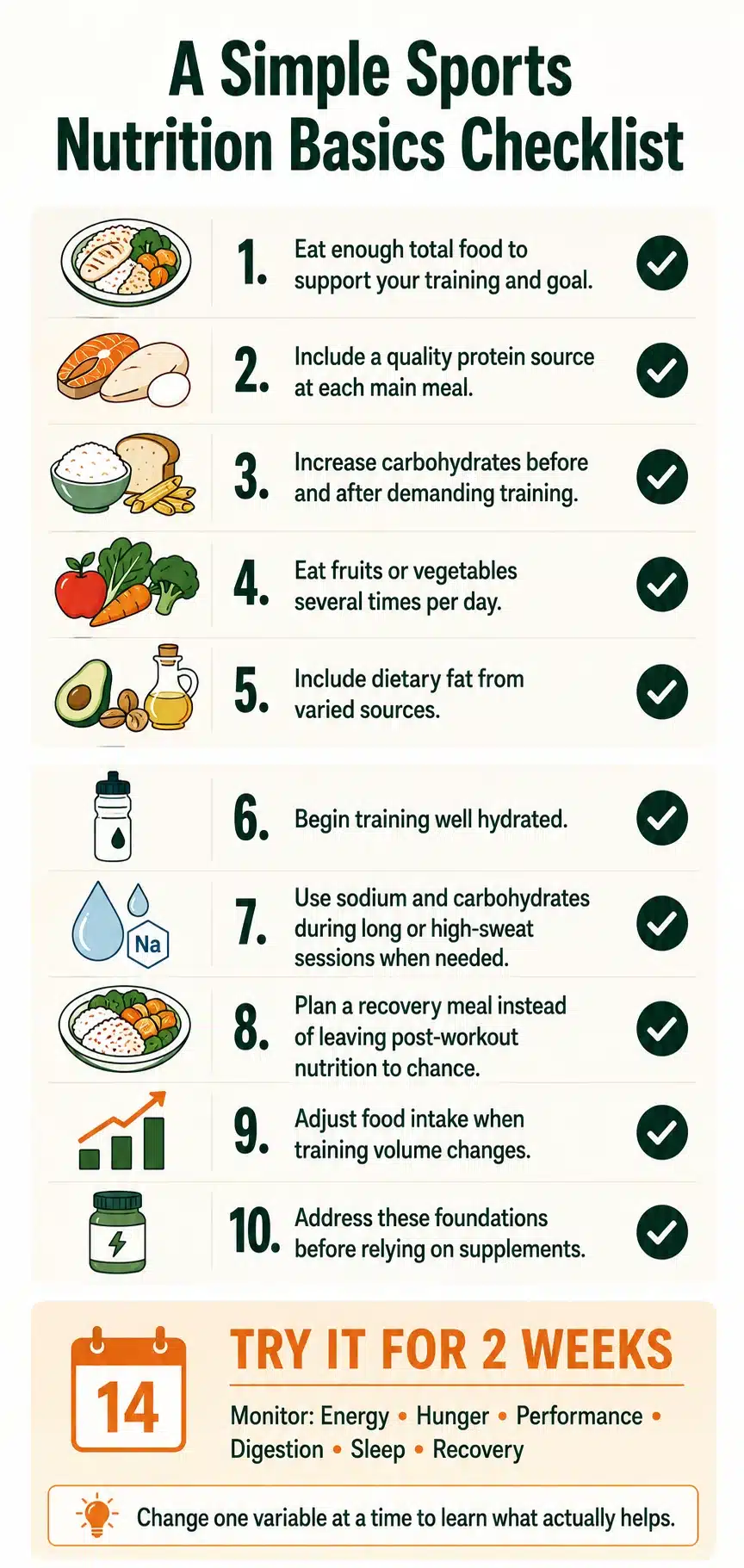
You do not need to change everything at once. Begin with a few repeatable habits:
- Eat enough total food to support your training and goal.
- Include a quality protein source at each main meal.
- Increase carbohydrates before and after demanding training.
- Eat fruits or vegetables several times per day.
- Include dietary fat from varied sources.
- Begin training well hydrated.
- Use sodium and carbohydrates during long or high-sweat sessions when needed.
- Plan a recovery meal instead of leaving post-workout nutrition to chance.
- Adjust food intake when training volume changes.
- Address these foundations before relying on supplements.
Follow these habits for two weeks and monitor your energy, hunger, performance, digestion, sleep, and recovery.
If something is consistently poor, change one variable at a time so you can identify what actually helps.
Final Thoughts on Sports Nutrition Basics
Mastering sports nutrition basics includes consistently eating enough, balancing your macronutrients, staying hydrated, and adjusting your intake to your training demands.
These habits create the foundation for a nutrition plan that supports both athletic performance and everyday health (Thomas et al., 2016).
My experience in professional basketball has taught me that a nutrition plan must work beyond the days when everything goes smoothly.
It needs to fit early practices, travel, family meals, changing schedules, and the foods you actually enjoy eating.
Start by identifying the part of your routine that needs the most attention, which might mean eating before practice, preparing a recovery meal, or bringing enough fluid for a demanding session.
The goal is to make good fueling a repeatable habit.
Build confidence with the sports nutrition basics, pay attention to how you feel and perform, and refine your approach as your needs change.
This website does not provide medical advice. This website site does contain affiliate links, and purchases may earn a commission.
Read my Medical Disclaimer, Review Disclaimer, and Publishing Policies for more details. Use of this site indicates acceptance of these terms.
Check Out Some of My YouTube Videos Below, and Please Follow on YouTube for More Educational Health and Fitness Content!
![Subscribe to @AdamKempFitness for more training, general health, recovery, and nutrition tips from a professional basketball player with a master’s degree in Nutrition Education! 🏀💪
Seated Max Vertical Jumps From a Box are one way I train explosive takeoff power with maximum intent on every rep.
Starting seated, with a pause and minimal rocking or dipping, reduces the contribution of a quick countermovement and emphasizes producing force from a relatively static position (National Strength and Conditioning Association [NSCA], 2020).
For athletes, the training goal is explosive lower-body force production and coordinated extension through the hips, knees, and ankles. I use this variation to practice driving hard into the floor and accelerating my body upward.
My preferred setup: 3 sets of 3 reps or 4 sets of 2 reps, supersetted with a strength or power exercise.
I keep the reps low, reset between jumps, and take longer rest periods so I’m ready to attack every takeoff. Even when pairing exercises, I give myself enough recovery to keep the jumps sharp.
Every rep has one goal: jump as high as possible. I focus on an explosive takeoff, a controlled landing, and consistent quality throughout the session.
Save this for your next power workout! 🚀
Reference: NSCA. (2020). Stretch-shortening cycle.
#VerticalJump #JumpTraining #ExplosivePower #AthleticPerformance #BasketballTraining](https://www.adamkempfitness.com/wp-content/plugins/feeds-for-youtube/img/placeholder.png)