How to Increase Energy Levels Naturally
 Reading Time: 11 minutes
 Learning how to increase energy levels naturally starts with identifying what may be draining your energy in the first place.
Poor sleep, dehydration, nutrient deficiencies, chronic stress, insufficient movement, and inadequate calorie intake can all leave you feeling sluggish, unfocused, and dependent on caffeine.
Although caffeine and other stimulants can provide a temporary boost, they cannot replace the habits that support steady physical and mental energy.
Prioritizing restorative sleep, balanced nutrition, hydration, regular movement, and stress management can help your body produce and use energy more efficiently.
Small, consistent lifestyle changes often make a greater long-term difference than another coffee or energy drink.
Here are the most practical, evidence-based strategies to naturally increase energy levels.
What Causes Low Energy and Chronic Fatigue?
Low energy and chronic fatigue are complex issues that can stem from a variety of physical, psychological, and lifestyle-related factors.
While fatigue is a normal response to exertion or insufficient rest, chronic fatigue—persistent exhaustion lasting more than six months—is often a symptom of underlying health concerns that require investigation and intervention.
Understanding the underlying cause of chronic fatigue is crucial for effective treatment.
If persistent exhaustion interferes with daily life, a comprehensive medical evaluation—including sleep assessments, psychological screenings, and nutritional testing—can help identify and address contributing factors.
Sleep Disorders and Sleep-Related Breathing Issues
One of the most common causes of persistent fatigue is inadequate or poor-quality sleep.
Conditions such as insomnia, sleep apnea, and restless leg syndrome disrupt the body’s ability to achieve restorative sleep, leading to daytime exhaustion.
Sleep apnea, in particular, is linked to chronic fatigue due to frequent interruptions in breathing that prevent deep sleep cycles.
Studies show that nearly 26.5% of patients in general medical practices suffer from primary insomnia, which can significantly contribute to fatigue (Maisel et al., 2021).
Psychological Factors
Mental health conditions, especially depression and anxiety disorders, are major contributors to chronic fatigue.
Approximately 18.5% of patients experiencing fatigue also suffer from depression (Maisel et al., 2021).
Chronic stress can further exacerbate exhaustion by overloading the nervous system, leading to hormonal imbalances that disrupt sleep, digestion, and energy levels.
Anemia and Iron Deficiency
Low iron levels can impair oxygen transport in the blood, leading to physical weakness and persistent fatigue.
While anemia is a less common cause of fatigue in primary care (approximately 2.8% of cases), iron supplementation may help in premenopausal women with low ferritin levels (<20 µg/mL) (Maisel et al., 2021).
Endocrine and Metabolic Disorders
Thyroid dysfunction, particularly hypothyroidism, diabetes mellitus, and adrenal insufficiency, can cause chronic fatigue due to metabolic dysregulation.
While overt thyroid disease is a well-recognized cause, studies suggest that thyroid hormone supplementation does not necessarily improve fatigue in patients with subclinical hypothyroidism (TSH <10 mIU/L) (Maisel et al., 2021).
Viral Infections and Post-Infectious Fatigue
Fatigue often follows viral infections, such as mononucleosis, Lyme disease, and, more recently, COVID-19.
Post-viral fatigue syndromes may persist for weeks or months after the initial infection subsides, potentially evolving into chronic fatigue syndrome (CFS), also known as systemic exertion intolerance disease (SEID).
Chronic Diseases and Autoimmune Conditions
Conditions such as congestive heart failure, multiple sclerosis, rheumatoid arthritis, and lupus frequently cause persistent fatigue as part of their symptom profile.
Additionally, liver disease, chronic kidney disease, and fibromyalgia are known to contribute to fatigue, making proper disease management essential.
Nutrient Deficiencies and Poor Diet
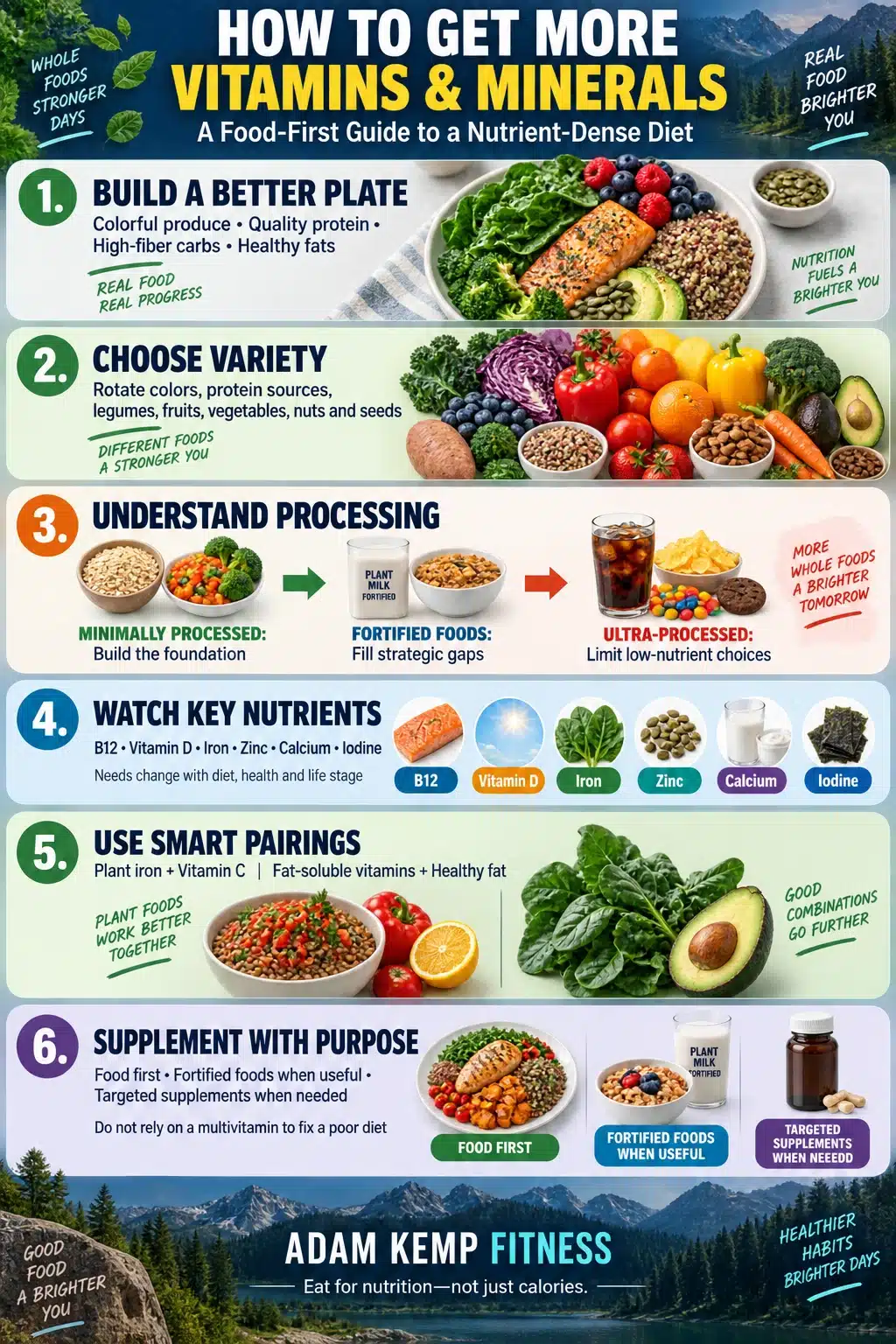
Low levels of essential vitamins and minerals—particularly vitamin B12, vitamin D, magnesium, and omega-3 fatty acids—can impair energy production and neurological function.
A diet high in processed foods and refined sugars can also contribute to blood sugar fluctuations, leading to energy crashes.
A lot of people will see substantial improvements in energy levels if they get more vitamins and minerals in their diet.
Medications and Substance Use
Certain medications, including antidepressants, antihistamines, benzodiazepines, and blood pressure drugs, have fatigue as a side effect.
Additionally, excessive alcohol consumption and recreational drug use can disrupt sleep and deplete the body’s energy reserves.
Lack of Physical Activity
A sedentary lifestyle can lead to deconditioning, making even minor physical exertion feel exhausting.
Conversely, excessive exercise without adequate recovery can contribute to burnout and chronic fatigue.
Studies suggest that an individualized exercise program can help mitigate fatigue in various conditions, including cancer-related fatigue (Maisel et al., 2021).
Environmental and Occupational Factors
Prolonged exposure to environmental toxins, poor indoor air quality, and excessive screen time can all contribute to fatigue.
Workplace stress, long working hours, and inadequate recovery time between shifts can also lead to burnout, further exacerbating chronic fatigue symptoms.
Foundations of Natural Energy

Most energy problems are not caused by a lack of motivation.
They often stem from a mismatch between what your body needs and what your schedule demands.
Before spending money on supplements, honestly assess the basics: sleep quality, total food intake, hydration, movement, and stress load.
A common mistake among active adults is treating fatigue as a signal to push harder.
Sometimes that is appropriate.
Often, however, persistent low energy signals a need to recover.
Athletes understand that performance improves when training stress is followed by enough sleep, food, and lower-intensity work.
The same principle applies whether you play competitive sports or work a demanding office job.
How to Boost Energy Levels Naturally
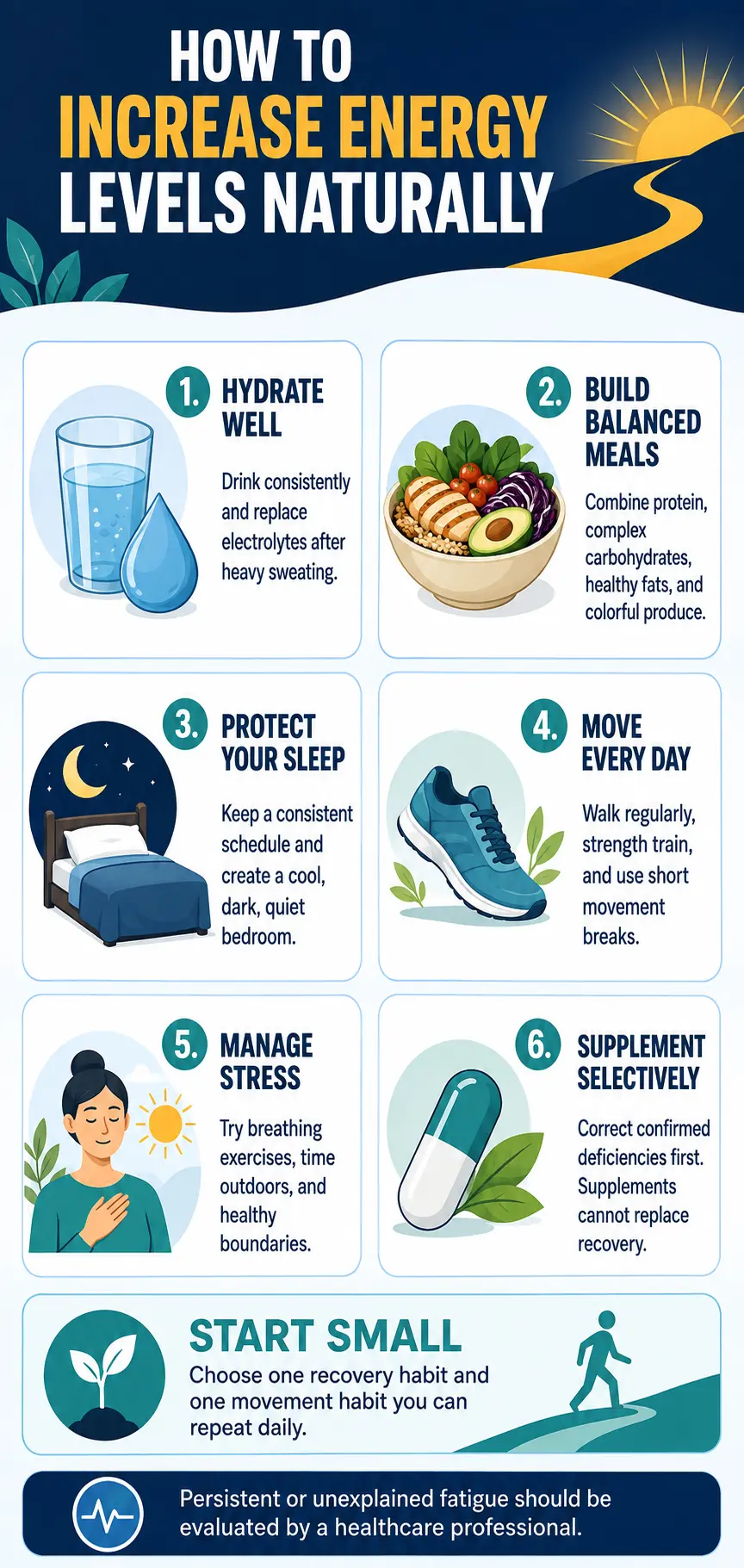
Struggling with low energy and chronic fatigue can feel frustrating, but the solution isn’t always more caffeine or quick-fix stimulants.
True, sustainable energy comes from optimizing your body’s natural systems—hydration, nutrition, sleep, movement, and stress management.
When these areas are out of balance, fatigue sets in, leading to sluggishness, brain fog, and decreased productivity.
By making small, intentional lifestyle changes, you can restore your body’s energy production and feel more vibrant throughout the day.
From proper hydration and nutrient-dense foods to strategic movement and stress reduction, here’s how to naturally boost your energy levels and stay energized without relying on artificial stimulants.
Optimize Hydration
Dehydration is one of the most overlooked yet significant causes of low energy and chronic fatigue.
Even mild dehydration can impair cognitive function, slow metabolism, and reduce endurance.
Proper hydration ensures that oxygen and nutrients are efficiently transported to cells, stabilizing energy levels throughout the day.
However, drinking plain water alone isn’t enough—electrolyte balance is key.
Electrolytes such as sodium, potassium, and magnesium regulate hydration at a cellular level.
When these minerals become depleted through sweat, urine, or poor diet, symptoms like dizziness, sluggishness, and muscle cramps set in.
Replenishing electrolytes through natural sources such as Himalayan salt, coconut water, and electrolyte-enhanced beverages helps maintain energy and prevent fatigue.
Hydration Optimization Strategies:
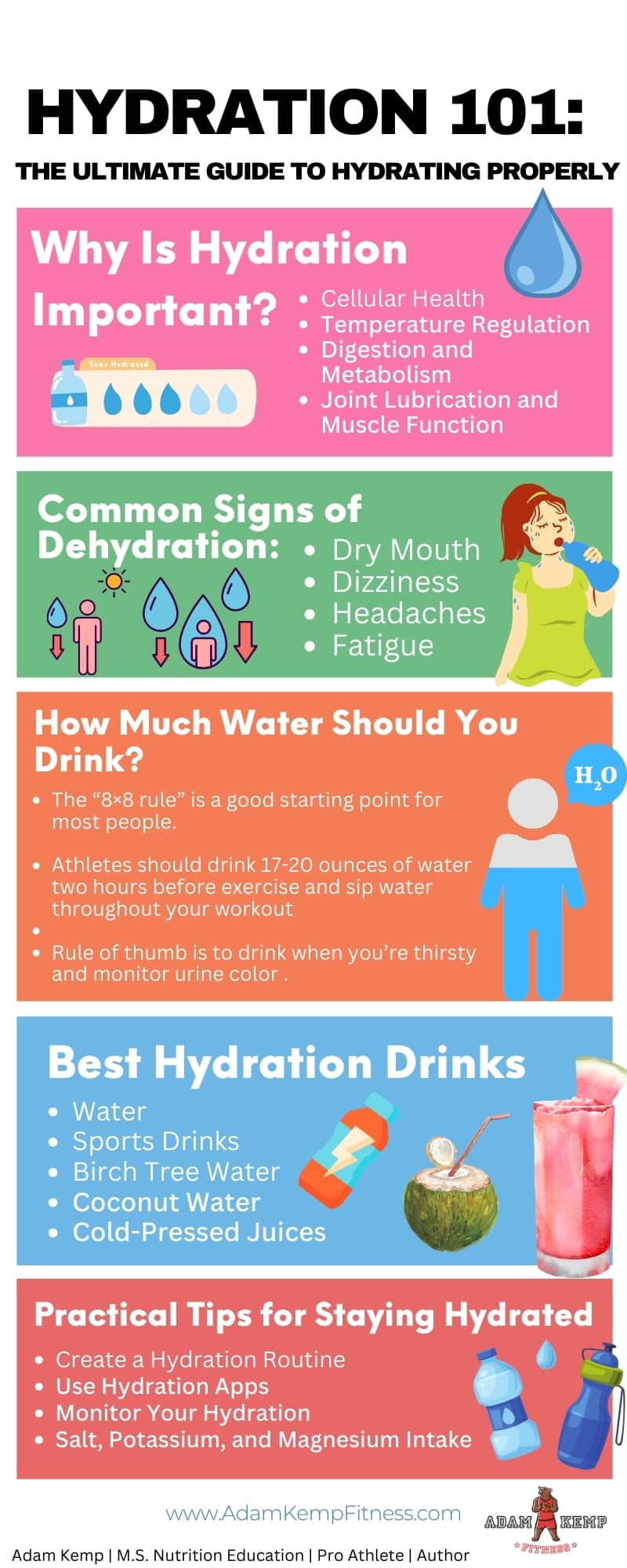
- Drink consistently: Aim for at least half your body weight (lbs) in ounces of water daily—for example, a 180 lb person should consume 90 oz of water per day. Increase intake during exercise or hot weather.
- Enhance absorption: Add a pinch of sea salt or a few drops of trace mineral drops to your water to improve electrolyte balance.
- Consume electrolyte-rich foods: Include bananas, avocados, leafy greens, seeds, and nuts in your daily diet to replenish essential minerals.
- Time your intake: Start the morning with at least 16 oz of water to combat overnight dehydration and boost metabolism.
Prioritize Nutrient-Dense Foods
Food is fuel, and consuming nutrient-dense meals stabilizes blood sugar and prevents the dreaded mid-day energy crash.
Processed foods loaded with sugar and refined carbohydrates spike insulin levels, leading to energy fluctuations and chronic fatigue over time.
Instead, focus on whole, unprocessed foods that provide sustained energy and optimize cellular function.
Best Foods for Natural Energy:
- Protein: Supports muscle function and metabolic health. Ideal sources include eggs, lean meats, legumes, Greek yogurt, and nuts.
- Healthy Dietary Fats: Stabilize blood sugar and provide long-lasting energy. Include avocados, olive oil, fatty fish (salmon, mackerel), and coconut oil in your diet.
- Complex Carbohydrates: Deliver steady energy throughout the day. Consume quinoa, oats, sweet potatoes, and whole grains for slow-digesting fuel.
- Superfoods: Adding energy-boosting superfoods such as spirulina, chlorella, maca root, and bee pollen can further enhance energy levels by providing essential vitamins, minerals, and antioxidants.
Improve Sleep Quality
Lack of sleep is one of the most common yet underestimated contributors to chronic fatigue.
Poor sleep disrupts hormone balance, weakens immunity, and impairs mitochondrial function, leading to persistent exhaustion.
Here are few tips to get a better sleep at night:
Ways to Enhance Sleep for Better Energy:

- Establish a routine: Go to bed and wake up at the same time daily, even on weekends.
- Limit blue light exposure: Reduce screen time at least 1-2 hours before bed or use blue light-blocking glasses.
- Create a wind-down ritual: Engage in relaxing activities like reading, deep breathing, or stretching before bed.
- Optimize your sleep environment: Keep the room cool (60-67°F), dark, and quiet for deeper sleep.
- Eat magnesium-rich foods: Magnesium supports relaxation and sleep. Consume dark chocolate, almonds, leafy greens, and pumpkin seeds in the evening to promote restfulness.
Optimize Daily Movement Quantity and Quality
It sounds backward, but appropriate exercise often increases energy rather than draining it.
Regular movement supports cardiovascular fitness, circulation, insulin sensitivity, mood, and sleep.
The key word is appropriate.
If every workout is intense, your training can become another source of stress.
For most adults, strength training two to four times per week combined with regular walking is a strong foundation.
Resistance training builds muscle, supports joint health, and makes daily tasks easier.
Walking is underrated because it is accessible, low-impact, and effective for improving circulation and breaking up long periods of sitting.
Even low-intensity movement can break up fatigue cycles and improve focus.
High-intensity intervals, hard runs, heavy lifting, and competitive sports all have benefits.
But they require recovery resources.
If your sleep is poor, your work stress is high, and your resting heart rate is elevated, adding more intense sessions may not be the answer.
Use your energy and performance as feedback.
If your warm-up feels unusually difficult for several days, weights that are normally manageable feel heavy, or you are irritable and sore all the time, take a lighter week or reduce training volume.
Strategic recovery is not laziness. It is what allows disciplined training to work over months and years.
On lower-energy days, a 20- to 30-minute walk, mobility work, or an easy bike ride may do more for you than forcing a punishing workout.
Consistency beats occasional heroic effort.
Best Exercises for Energy:
- Walking: A simple way to increase blood flow and reduce stress.
- Strength training: Supports metabolic health, builds resilience, and prevents fatigue.
- Mobility & stretching: Improves circulation, relieves tension, and promotes relaxation.
- Micro-movement breaks: Every hour, take 2-5 minutes to stand, stretch, or do a few bodyweight exercises to maintain energy throughout the day.
Reduce Stress and Combat Mental Fatigue
Both acute and chronic stress drain energy by elevating cortisol levels, leading to brain fog, poor focus, and exhaustion.
Stress does not only feel mental.
It affects sleep, digestion, food choices, recovery, and the way your body responds to exercise.
You may be physically tired but mentally overstimulated, which often leads to late-night scrolling, poor sleep, and another difficult morning.
You cannot eliminate every stressful responsibility, but you can create small boundaries.
Effective Stress-Reducing Techniques:
- Meditation: Just 5-10 minutes per day lowers cortisol and enhances focus.
- Breathwork: Deep breathing or box breathing (inhale for 4 seconds, hold for 4, exhale for 4, hold for 4) improves oxygen intake and calms the nervous system.
- Nature exposure: Spending at least 20 minutes outdoors daily can significantly improve mood and energy levels.
- Adaptogenic herbs: Herbs like ashwagandha, rhodiola rosea, and holy basil help regulate stress hormones and reduce fatigue.
- Get enough sunlight: Morning sunlight is another practical tool. Getting outside soon after waking helps reinforce your body clock and can improve daytime alertness. Even a short walk outdoors before work can combine light exposure, movement, and a mental reset.
Use Natural Supplements for Energy
While lifestyle habits should form the foundation of sustained energy, targeted supplementation can provide an added boost.
When lifestyle changes aren’t enough to combat fatigue, certain natural supplements can provide an extra boost by supporting cellular energy production, reducing stress, and enhancing mental clarity.
Choosing high-quality, research-backed energy-boosting supplements ensures steady, sustainable energy without the crashes associated with synthetic stimulants.
Best Natural Energy-Boosting Supplements:
- B Vitamins: Essential for converting food into usable energy. Vitamin B12 and B6 are particularly important for brain function and metabolism.
- Rhodiola Rosea & Ashwagandha: Adaptogens that help the body cope with stress and combat fatigue-related burnout.
- Creatine Monohydrate: Creatine supports ATP production, enhancing both physical and mental endurance.
- Green Tea Extract: Provides a mild caffeine boost while delivering L-theanine, an amino acid that promotes calm focus without jitters.
- Coenzyme Q10 (CoQ10): Supports mitochondrial function, crucial for energy production at a cellular level.
- Iron (if deficient): Low iron levels lead to fatigue, especially in women. Consume iron-rich foods (red meat, spinach, lentils) or supplement as needed.
How to Build an Energy Routine You Can Actually Keep
Do not try to overhaul your entire life on Monday.
Choose one action that improves recovery and one that improves daily output.
For example, go to bed 30 minutes earlier and take a 10-minute walk after lunch.
After those habits become normal, improve your breakfast, add two strength sessions each week, or set a caffeine cutoff time.
The best plan depends on your current lifestyle.
A parent waking up with young children needs a different strategy than a college athlete in heavy training or a professional working long shifts.
Still, the principles stay the same: recover well, eat enough quality food, move consistently, manage stress, and use stimulants as tools rather than crutches.
Natural energy is about building a body and routine that can meet your life’s demands without breaking down.
Final Thoughts: Can You Get More Energy with Natural Solutions?
Yes, boosting your daily energy naturally is not only possible but also more sustainable than relying on quick fixes like caffeine or energy drinks.
By addressing the root causes of fatigue—such as dehydration, nutrient deficiencies, poor sleep, lack of movement, and chronic stress—you can restore your body’s ability to produce and maintain energy efficiently.
Simple adjustments, like drinking enough water with electrolytes, eating nutrient-dense whole foods, prioritizing high-quality sleep, and incorporating movement into your day, can lead to noticeable improvements in both physical and mental energy.
Additionally, stress management techniques and natural supplements can further support your body’s resilience against fatigue.
Rather than looking for instant energy boosts that lead to crashes, focus on building long-term habits that optimize your body’s natural energy production.
With a consistent approach, you’ll experience more sustained energy, better focus, and an overall improvement in well-being.
This website does not provide medical advice. This website site does contain affiliate links, and purchases may earn a commission.
Read my Medical Disclaimer, Review Disclaimer, and Publishing Policies for more details. Use of this site indicates acceptance of these terms.
Check Out Some of My YouTube Videos Below, and Please Follow on YouTube for More Educational Health and Fitness Content!
![Subscribe to @AdamKempFitness for more training, general health, recovery, and nutrition tips from a professional basketball player with a master’s degree in Nutrition Education! 🏀💪
Seated Max Vertical Jumps From a Box are one way I train explosive takeoff power with maximum intent on every rep.
Starting seated, with a pause and minimal rocking or dipping, reduces the contribution of a quick countermovement and emphasizes producing force from a relatively static position (National Strength and Conditioning Association [NSCA], 2020).
For athletes, the training goal is explosive lower-body force production and coordinated extension through the hips, knees, and ankles. I use this variation to practice driving hard into the floor and accelerating my body upward.
My preferred setup: 3 sets of 3 reps or 4 sets of 2 reps, supersetted with a strength or power exercise.
I keep the reps low, reset between jumps, and take longer rest periods so I’m ready to attack every takeoff. Even when pairing exercises, I give myself enough recovery to keep the jumps sharp.
Every rep has one goal: jump as high as possible. I focus on an explosive takeoff, a controlled landing, and consistent quality throughout the session.
Save this for your next power workout! 🚀
Reference: NSCA. (2020). Stretch-shortening cycle.
#VerticalJump #JumpTraining #ExplosivePower #AthleticPerformance #BasketballTraining](https://www.adamkempfitness.com/wp-content/plugins/feeds-for-youtube/img/placeholder.png)