Marijuana and Bodybuilding: How Does Marijuana Affect Muscle Growth?
 Reading Time: 5 minutes
 Marijuana and bodybuilding is a growing topic of interest as more athletes and everyday gym-goers explore how cannabis may influence muscle growth, recovery, and performance.
As legalization expands across the United States and globally, conversations around cannabis in fitness have shifted from taboo to practical, with many individuals weighing potential benefits such as improved sleep, reduced pain, and better relaxation against possible drawbacks like impaired coordination or motivation.
For example, I regularly use CBD products as part of my recovery routine after weightlifting sessions and basketball practices because I’ve found they reduce soreness, improve sleep quality, and support overall recovery without affecting my focus or performance.
THC products are a different story, as their psychoactive effects can impact coordination, motivation, and training intensity, which makes them far more situational and less reliable for consistent performance-focused use.
In some regions, access remains more limited, and individuals may need to consult a physician to obtain a medical marijuana card before using cannabis legally, which adds another layer of consideration for those interested in incorporating it into their fitness routine.
For example, a WV medical marijuana card is necessary in West Virginia.
At the same time, understanding the difference between THC and CBD, along with separating anecdotal experiences from scientific evidence, is essential for making informed decisions about cannabis use in a performance-focused lifestyle.
Marijuana and bodybuilding ultimately have a relationship at the balance between recovery, behavior, and physiological impact, making it an interesting topic that requires both personal awareness and evidence-based evaluation.
Understanding the Endocannabinoid System and How it Can Affect Bodybuilding
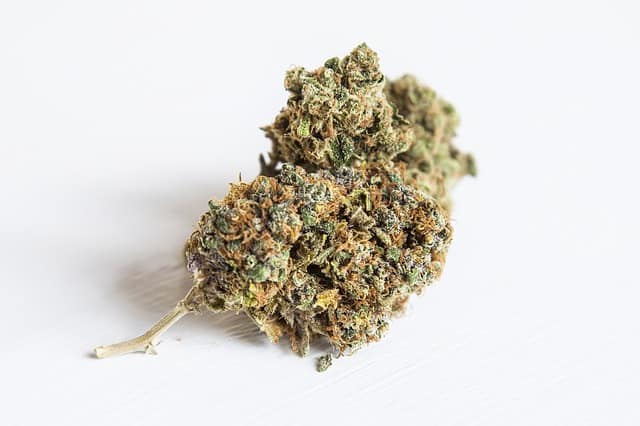
The human body’s endocannabinoid system plays a critical role in maintaining homeostasis by regulating functions such as immune response, sleep, stress, and appetite.
Cannabinoids like THC (tetrahydrocannabinol) and CBD (cannabidiol) interact with two primary receptors in this system: CB1 and CB2.
THC, the psychoactive component of marijuana, binds to these receptors, resulting in various effects on mood, pain, and appetite.
CBD, on the other hand, interacts differently, offering potential anti-inflammatory and recovery benefits without the psychoactive high.
Understanding this distinction is crucial for bodybuilders considering cannabis for recovery or performance.
THC and Bodybuilding
THC and bodybuilding is a more complex and individualized topic, as its psychoactive effects can influence both physical performance and mental focus in different ways.
While some athletes use THC for relaxation, pain management, or to enhance enjoyment of lower-intensity activities, its impact on coordination, reaction time, and motivation makes it a more nuanced consideration for serious strength training and muscle growth.
THC and Physical Performance
When it comes to physical performance, research on marijuana is still limited and inconsistent.
A 2017 meta-analysis in the Journal of Science and Medicine in Sport concluded that none of the 15 studies involving THC and exercise protocols demonstrated improvements in aerobic performance.
Marijuana’s psychomotor-impairing effects may reduce coordination and reaction times, making high-intensity activities difficult.
However, some athletes report that using marijuana can enhance their focus or create a “flow” state during less intense activities, such as running or yoga.
Avery Collins, an ultramarathon runner, claims that cannabis helps enhance his endurance and overall experience during races.
However, this anecdotal evidence is yet to be substantiated by scientific research.
See Also: Cannabis and Exercise
THC and Muscle Growth
One of the main concerns for bodybuilders is whether marijuana can impact muscle growth.
Muscle growth is primarily influenced by hormones like testosterone and growth hormone (GH).
Early studies, such as a 1976 paper published in the Journal of Clinical Endocrinology and Metabolism, suggested that large doses of THC could suppress the hypothalamic-pituitary axis, resulting in decreased GH production.
However, this study involved a very high daily dose of THC (210 mg), far beyond what most users typically consume.
More recent research indicates that moderate cannabis use has minimal effects on testosterone or other key hormones involved in muscle growth.
Still, it’s important to consider individual responses to cannabis.
While some bodybuilders may find marijuana helps them relax and recover, others may experience negative side effects, such as impaired focus or overeating, which could hinder progress.
THC & Personal Behavior
The effects of marijuana on bodybuilding are largely dependent on personal behavior.
For example, THC-containing cannabis use can lead to increased appetite, commonly known as “the munchies.”
If a bodybuilder consumes excessive amounts of unhealthy food after using marijuana, this can negatively impact their nutritional goals.
Conversely, using marijuana or consuming cannabis concentrates may support recovery by promoting relaxation and sleep, key components of muscle repair and growth.
For those looking to explore more refined options, many athletes choose to buy exotic THC-A flower online to experiment with strains that align with their training and recovery goals.
Bodybuilders who use marijuana in moderation and maintain discipline with their diet and training may find it to be a helpful recovery tool.
Whether you are just starting bodybuilding or you have been a bodybuilder for years, your own personal behavior will likely make the difference in whether marijuana affects your muscle growth or not.
CBD and Bodybuilding
CBD, a non-psychoactive compound in cannabis, offers a different set of benefits.
CBD is well-known for its anti-inflammatory properties, making it an attractive option for athletes and bodybuilders who experience chronic pain or inflammation.
Unlike THC, CBD does not impair cognitive function or psychomotor abilities, making it safer for regular use without the risk of performance impairment.
Many bodybuilders use CBD oil or other CBD products for post-workout recovery to reduce soreness, enhance sleep quality, and improve joint health.
My favorite CBD brands include:
Final Thoughts: Should Bodybuilders Use Marijuana?
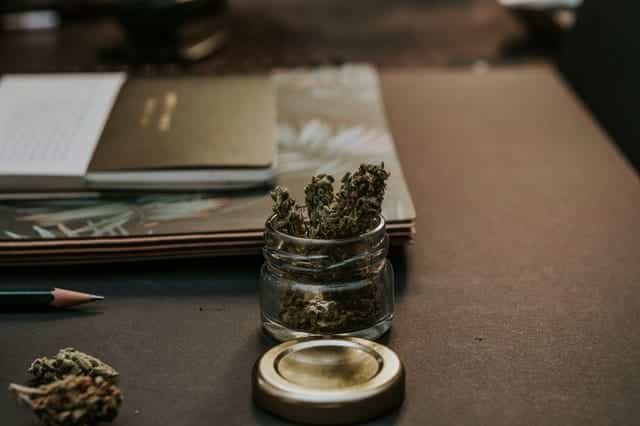
When used responsibly, marijuana, especially CBD products, can offer benefits for muscle recovery, pain relief, and relaxation.
However, it is important for bodybuilders to be mindful of how cannabis affects their behavior, particularly in terms of diet and motivation.
The current scientific research is still inconclusive, with limited studies specifically examining marijuana’s effects on strength training and muscle growth.
Ultimately, individual response plays a significant role, and bodybuilders should monitor how cannabis affects their specific fitness goals.
Read Next: CBD Facts
This website does not provide medical advice. This website site does contain affiliate links, and purchases may earn a commission.
Read my Medical Disclaimer, Review Disclaimer, and Publishing Policies for more details. Use of this site indicates acceptance of these terms.
Check Out Some of My YouTube Videos Below, and Please Follow on YouTube for More Educational Health and Fitness Content!
![Subscribe to @AdamKempFitness for more training, general health, recovery, and nutrition tips from a professional basketball player with a master’s degree in Nutrition Education! 🏀💪
Seated Max Vertical Jumps From a Box are one way I train explosive takeoff power with maximum intent on every rep.
Starting seated, with a pause and minimal rocking or dipping, reduces the contribution of a quick countermovement and emphasizes producing force from a relatively static position (National Strength and Conditioning Association [NSCA], 2020).
For athletes, the training goal is explosive lower-body force production and coordinated extension through the hips, knees, and ankles. I use this variation to practice driving hard into the floor and accelerating my body upward.
My preferred setup: 3 sets of 3 reps or 4 sets of 2 reps, supersetted with a strength or power exercise.
I keep the reps low, reset between jumps, and take longer rest periods so I’m ready to attack every takeoff. Even when pairing exercises, I give myself enough recovery to keep the jumps sharp.
Every rep has one goal: jump as high as possible. I focus on an explosive takeoff, a controlled landing, and consistent quality throughout the session.
Save this for your next power workout! 🚀
Reference: NSCA. (2020). Stretch-shortening cycle.
#VerticalJump #JumpTraining #ExplosivePower #AthleticPerformance #BasketballTraining](https://www.adamkempfitness.com/wp-content/plugins/feeds-for-youtube/img/placeholder.png)