THCa Diamonds Explained: What They Are and How They Work
 Reading Time: 5 minutes
 THCa diamonds represent one of the most concentrated and refined forms of cannabis available today, showcasing how far cannabis extraction science has advanced.
These crystalline structures are composed almost entirely of tetrahydrocannabinolic acid (THCa), which is the non-psychoactive precursor to THC that only becomes intoxicating when heated through a process called decarboxylation.
Unlike traditional flower or oil-based extracts, THCa diamonds are made through precise laboratory techniques that isolate cannabinoids and terpenes into their purest form. The result is a product prized for its potency, purity, and visual brilliance, resembling clear quartz crystals rather than a typical cannabis concentrate.
For individuals living in areas where cannabis use is legal, THCa diamonds are typically used through controlled heating methods such as dabbing or vaporization to achieve consistent and predictable results.
However, due to their extremely high potency, these products are best suited for experienced users who understand dosage, temperature control, and legal compliance.
Disclaimer: This content is intended for educational purposes only. THCa diamonds should only be purchased and used in regions where cannabis is legal and under medical or regulated supervision. The information provided here does not promote or condone the recreational use of psychoactive cannabis products and is meant to support responsible, lawful, and informed decision-making.
What Are THCa Diamonds?
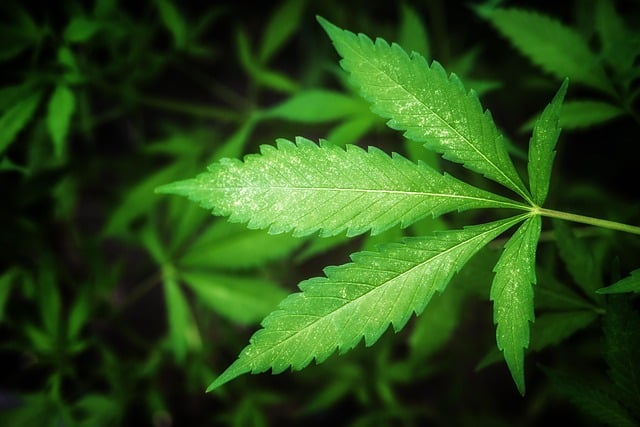
THCa diamonds are the purified crystalline form of tetrahydrocannabinolic acid (THCa), the natural compound that becomes THC when exposed to heat.
Think of them as the purest possible expression of cannabis potency.
While most cannabis flowers contain around 20–30% THC, THCa diamonds can reach 95–99 % purity.
This means a much stronger, more concentrated experience, which is not for beginners but is highly sought after by cannabis enthusiasts or medical patients who value flavor and precision.
Unlike traditional marijuana extracts, THCa diamonds are solid, not liquid or waxy.
They form during the “crashing out” process of extraction, where cannabinoids are slowly separated from the terpene-rich oil.
What’s left behind are crystal-clear structures that really do resemble gemstones.
How Are THCa Diamonds Made?
The formation of THCa diamonds is a highly controlled chemical and physical process that relies on precision extraction techniques and specific environmental conditions.
Manufacturers typically begin with live resin, which is produced from freshly harvested and flash-frozen cannabis plants.
This preservation method maintains the plant’s full terpene and cannabinoid profile, preventing degradation that can occur with traditional drying and curing.
The extraction itself is performed through a closed-loop system, a method that utilizes solvents such as butane or propane to separate cannabinoids and terpenes from plant material in a sealed, pressurized environment.
This prevents contamination and allows the recovery and reuse of solvents, promoting both safety and efficiency.
Following extraction, the resulting solution is placed in sealed containers under carefully regulated temperature and pressure conditions.
Over the course of several weeks, the THCa molecules begin to nucleate, forming crystalline structures through a process known as crystallization.
The denser THCa crystals settle to the bottom, while the lighter terpene-rich solution, often called the “mother liquor,” remains on top (Shoyama et al., 2005).
Once crystallization is complete, the THCa solids are separated, dried, and purged of residual solvents to ensure purity.
The terpene-rich fraction is often reintroduced to the final product, creating a balance between potency, aroma, and flavor.
This blend of purified THCa and reintroduced terpenes results in a full-spectrum concentrate that reflects the original strain’s chemical complexity while achieving remarkable potency levels of 95–99% THCa.
What Do THCa Diamonds Make You Feel?
The effects of THCa diamonds depend on both their chemical composition and how they’re consumed.
In their raw form, THCa is non-psychoactive.
However, when heated through vaporization or dabbing, it undergoes decarboxylation, converting THCa into delta-9-tetrahydrocannabinol (THC), which is the compound responsible for cannabis’s psychoactive effects.
Because THCa diamonds contain up to 99% purity, their pharmacological effects can onset rapidly and feel significantly more potent than standard cannabis flower or resin.
Users often report an immediate cerebral clarity followed by a pronounced sense of relaxation, though the experience can vary based on individual tolerance, dosage, and accompanying terpene profile.
It’s important to note that the purity, extraction method, and terpene reintroduction process all influence how THCa diamonds feel and taste.
Products from verified, third-party-tested producers, such as those adhering to legal safety and quality standards, help ensure a predictable and contaminant-free experience.
If you’re exploring high-quality options, you’ll find brands like WNC CBD are known for producing clean, carefully sourced concentrates that meet lab-testing standards for safety and consistency.
How to Use THCa Diamonds the Right Way
Because of their extremely high purity, THCa diamonds should be used with precision and moderation.
The most common method is dabbing, which involves heating the concentrate on a quartz or titanium surface using a rig or electronic nail (e-nail).
This controlled heating process converts THCa into active THC through thermal decarboxylation, producing a clean, potent vapor.
For those seeking gentler applications, THCa diamonds can also be:
- Sprinkled over ground flower to increase potency when smoking or vaping.
- Blended into vape cartridges with live resin for enhanced flavor and effect balance.
- Incorporated into edibles, but only after proper decarboxylation to ensure the THCa is fully activated.
Temperature plays a critical role in both cannabinoid activation and terpene preservation.
Overheating (above ~500°F / 260°C) can degrade flavor compounds and reduce potency, while low temperatures may prevent full vaporization.
Many experts recommend maintaining a range of 450–500°F (232–260°C) to achieve the optimal balance between vapor density, flavor, and efficiency.
As with any concentrate, start with very small amounts and ensure you are in a legally regulated setting before use.
Final Thoughts: Should You Try THCa Diamonds?
THCa diamonds are among the most refined and potent cannabis concentrates available, but they are not intended for beginners.
Their exceptionally high cannabinoid concentration means that even small doses can produce pronounced effects once decarboxylated into THC.
If you live in a region where cannabis use is legal, begin with minimal amounts and allow time to assess individual tolerance and response.
Before purchasing, always verify third-party lab testing to confirm cannabinoid content, residual solvent safety, and microbial purity.
Choose transparent producers who disclose their extraction processes, sourcing methods, and terpene profiles.
Clear, accurate labeling that lists the THCa percentage and strain origin is essential for ensuring both safety and product integrity.
When properly manufactured, THCa diamonds represent the intersection of chemistry, craftsmanship, and cannabis science.
They offer a uniquely pure and flavorful experience for educated consumers who prioritize quality, safety, and control.
If you choose to explore THCa diamonds, do so mindfully, always within legal boundaries, and with respect for the product’s potency.
When used responsibly, they reflect not just the evolution of cannabis extraction, but the potential for precision and purity in modern cannabinoid science.
This website does not provide medical advice. This website site does contain affiliate links, and purchases may earn a commission.
Read my Medical Disclaimer, Review Disclaimer, and Publishing Policies for more details. Use of this site indicates acceptance of these terms.
Check Out Some of My YouTube Videos Below, and Please Follow on YouTube for More Educational Health and Fitness Content!
![Subscribe to @AdamKempFitness for more training, general health, recovery, and nutrition tips from a professional basketball player with a master’s degree in Nutrition Education! 🏀💪
Seated Max Vertical Jumps From a Box are one way I train explosive takeoff power with maximum intent on every rep.
Starting seated, with a pause and minimal rocking or dipping, reduces the contribution of a quick countermovement and emphasizes producing force from a relatively static position (National Strength and Conditioning Association [NSCA], 2020).
For athletes, the training goal is explosive lower-body force production and coordinated extension through the hips, knees, and ankles. I use this variation to practice driving hard into the floor and accelerating my body upward.
My preferred setup: 3 sets of 3 reps or 4 sets of 2 reps, supersetted with a strength or power exercise.
I keep the reps low, reset between jumps, and take longer rest periods so I’m ready to attack every takeoff. Even when pairing exercises, I give myself enough recovery to keep the jumps sharp.
Every rep has one goal: jump as high as possible. I focus on an explosive takeoff, a controlled landing, and consistent quality throughout the session.
Save this for your next power workout! 🚀
Reference: NSCA. (2020). Stretch-shortening cycle.
#VerticalJump #JumpTraining #ExplosivePower #AthleticPerformance #BasketballTraining](https://www.adamkempfitness.com/wp-content/plugins/feeds-for-youtube/img/placeholder.png)